


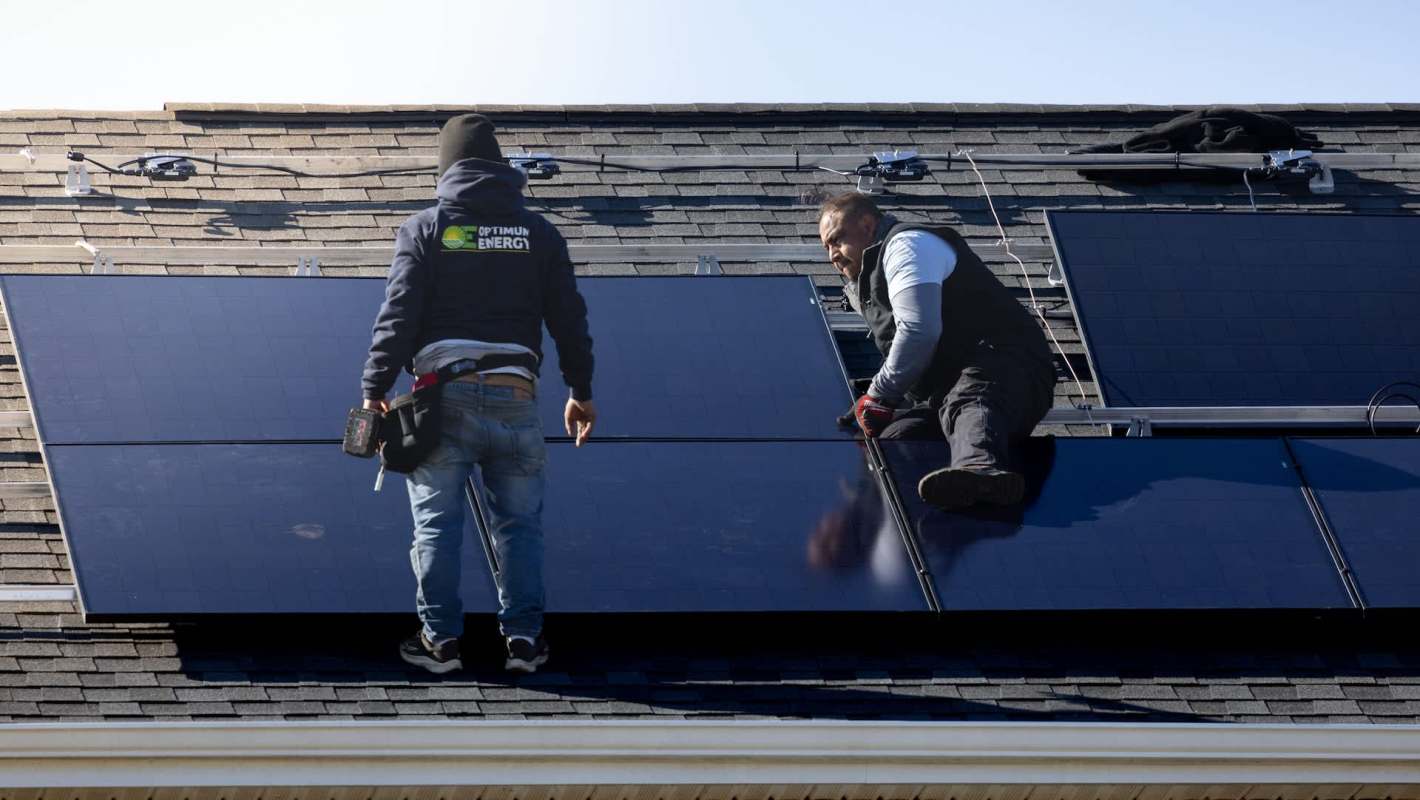
Deciding to install solar panels on a house comes with many questions and considerations.
For most who explore solar as an option, comparing equipment and pricing is the most important thing to ponder to save as much money as possible. For one Los Angeles couple, though, the bigger concern was whether adding panels could damage shingles that had been replaced just seven years earlier.
They wondered whether going solar would still feel like a smart money-saving move if the roof was harmed during installation.
What happened?
In a Reddit post, the homeowner said they were nearly ready to move forward with a 19-panel system using REC panels and Enphase inverters on their Los Angeles midcentury home.
The installer appeared well reviewed and competitively priced, but fears about the roof kept getting in the way.
"Our biggest worry is that since we don't know much about installation process besides the fact that mounting brackets must be drilled into the roof, we don't know how to ensure the work is being done properly and everything will be weather sealed…etc," the original poster wrote.
TCD Picks » Quince Spotlight
💡These best-sellers from Quince deliver affordable, sustainable luxury for all




They also said the company had already inspected the roof and attic structure and told them that "everything looks really great and solid."
Replies in the thread were a mix of reassurance and practical suggestions.
One person wrote, "You're over thinking it but yes solar companies are required to have liability insurance."
Another suggested asking whether the company would guarantee "their penetrations" and come back if an issue appeared months later.
Why does it matter?
Installing solar panels can lower power bills and make households less exposed to future utility-rate increases, which can matter even more in a place like Los Angeles, where electricity can be expensive.
However, as the OP noted, any financial benefits rely on the roof continuing to perform properly.
Since a solar array may keep producing power for 25 years or longer, one leak or dispute over roof work can weaken the payoff. Money spent on repairs, water damage inside the home, or sorting out warranty responsibility can quickly cut into the savings a homeowner expected from generating their own electricity.
When dealing with multiple contractor companies, the idea of warranty becomes muddied, as one commenter warned: "The original roof company warranty will be voided in the area where the solar panels are added (and penetrations are done)."
That same commenter said solar companies often offer their own warranty on roof penetrations, though it may not last as long as the original roofing coverage.
What can I do?
Before installation starts, it is best to get as much as possible spelled out in writing. Spoken promises mean nothing if warranty disputes erupt.
Questions worth asking include whether the installer has liability insurance, exactly what its roof-penetration warranty covers, how long that protection lasts, and what hardware will sit between the rails and the roof.
Commenters also said the job should be checked once the system is in place.
One person wrote, "Go into your attic and inspect them from the underside after installation, you should be able to identify if they missed a rafter pretty easy."
They also suggested paying a roofer or handyman for a separate inspection if the extra reassurance feels worthwhile.
Several commenters also recommended watching for problems after storms by checking the attic following heavy rain or wind, especially near wire-entry points and areas below the mounts.
At the end of the day, all service work is an educated gamble, no matter the project. Whether it's picking the right roofing company or the best solar installers, there is risk.
As one commenter put it, "The best you can do is hire who you think is reputable and hope the workmanship is good. … Post install check for leaks after heavy rain or wind."

Get TCD's free newsletters for easy tips, smart advice, and a chance to earn $5,000 toward home upgrades. To see more stories like this one, change your Google preferences here.






