


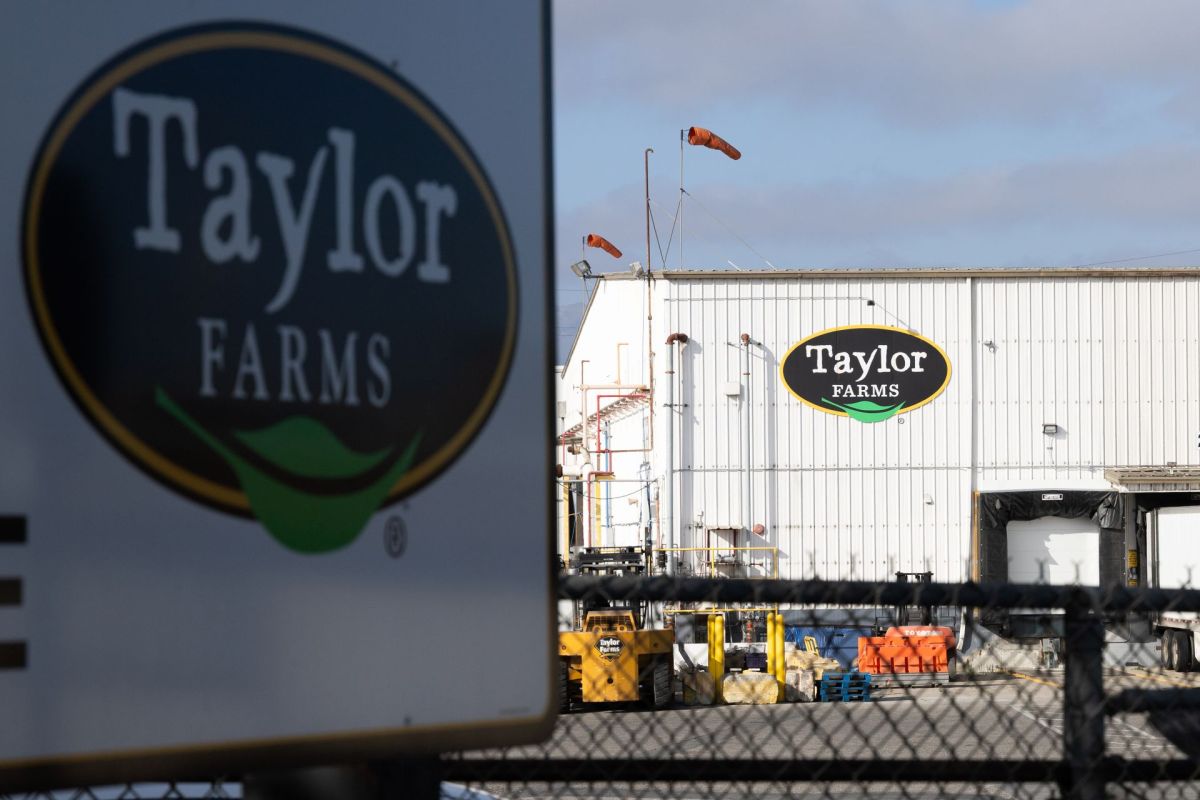
Taylor Farms is facing attention on multiple fronts. The produce supplier has been connected to a cyclospora outbreak tied to shredded lettuce sold through supermarkets and fast-food chains across the country.
At the same time, older reporting about the company's use of prison labor has reentered the conversation, raising new concerns about its labor practices.
What's happening?
According to Futurism, a 2023 report by Prison Legal News identified Taylor Farms as one of several Arizona companies that contracted labor from Arizona's Department of Corrections, Rehabilitation, and Reentry through Arizona Correctional Industries. Under that arrangement, the state charged companies $4.75 an hour for the labor, while incarcerated workers in Arizona could earn no more than $1.50 an hour.
Futurism reported that the Prison Legal News findings resurfaced as Taylor Farms came under fresh scrutiny over the latest cyclospora outbreak. The parasite can cause severe diarrhea and has been associated with mass-produced lettuce sold in grocery stores and through restaurant chains.
Goods produced through prison labor were worth about $11 billion in 2022, under a system permitted by the 13th Amendment's exception allowing involuntary servitude as punishment for a crime.
The report also stated that Arizona's corrections agency contracted out 15,700 "Mexican nationals" from 2008 to 2023, and that at least 26 prisoners working for companies including Taylor Farms had been detained by ICE. Taylor Farms did not answer a request for comment.
TCD Picks » Quince Spotlight
💡These best-sellers from Quince deliver affordable, sustainable luxury for all




Why does it matter?
Consumers are confronting two issues at once: possible exposure to a parasite and renewed scrutiny of the labor behind a common grocery product.
The resurfaced reporting also highlights how companies can benefit from a loophole embedded in the Constitution. When prison labor is available at a fraction of standard wage costs, businesses may have less incentive to improve pay and working conditions across the broader food system.
The report suggested that some people performing this work may not have been legally employable outside detention, meaning incarceration itself may have enabled the arrangement.
Food supply chains are often sprawling and hard to trace, leaving everyday shoppers with little visibility into whether low prices are being supported by weak oversight, unsafe practices, or coercive labor conditions.
What's being done?
The resurfaced reporting has brought renewed scrutiny to prison labor within produce supply chains at the same time health officials and consumers are working to trace contaminated produce.
Broader reform efforts have long sought to close or narrow the legal loopholes that allow forced prison labor.
Ruben Reyes, director of the American Immigration Lawyers Association, told Prison Legal News, "I'm venturing a guess that a large majority of the people who are labeled a Mexican national by [DCRR] are unauthorized to work here."

Get TCD's free newsletters for easy tips, smart advice, and a chance to earn $5,000 toward home upgrades. To see more stories like this one, change your Google preferences here.






