


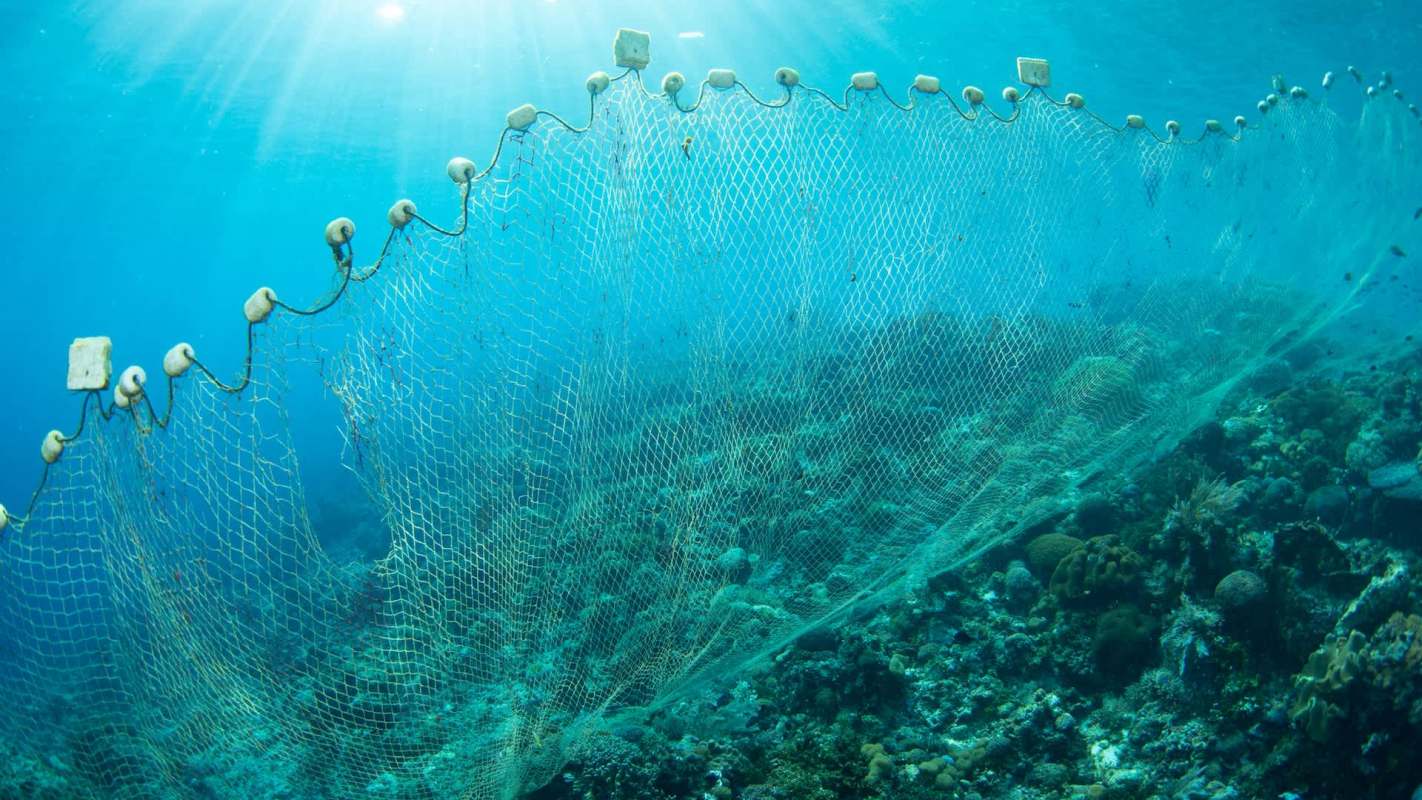
Conservationists have long warned that dragging fishing gear across the ocean floor can cause lasting damage to sensitive habitats.
However, new research has found that these impacts can last for far longer than originally thought.
According to a new study highlighted by marine conservation group Oceana, the scars from bottom trawling can linger for decades.
What's happening?
Oceana turned to social media to draw attention to research on the long aftereffects of bottom trawling. The group said, rather than fading quickly, the grooves cut into the seafloor by trawling equipment can remain for dozens of years.
Used to catch fish and shellfish, the practice of bottom trawling involves pulling heavy nets and other gear across the seabed. Oceana said that this can create deep gouges that destroy habitats.
The group's post summed up the findings in stark terms: "The scars from bottom trawling last for DECADES."
TCD Picks » Quince Spotlight
💡These best-sellers from Quince deliver affordable, sustainable luxury for all




Why does it matter?
While some might wonder why humans should care about what is going on at the bottom of the ocean, it is important to remember that the seafloor is not just an empty surface and damage to it is not just an underwater problem.
When bottom trawling tears up seafloor habitat, it can make it harder for marine ecosystems to recover and continue supporting biodiversity. That ripple effect can threaten fisheries over time, especially in coastal communities, where livelihoods and food systems often rely on stable, productive waters.
What's being done?
Oceana said the study adds scientific weight to advocates' calls for stronger seafloor protections. These protections could take the form of tighter limits on where bottom trawling is permitted, more protection for vulnerable marine habitats, and broader efforts to keep the most damaging gear out of sensitive areas.
Marine conservation groups have also pushed for policies that balance food production with ecosystem health. Protecting seabeds can help preserve fish populations, reduce avoidable habitat destruction, and support more resilient coastal economies and food systems.
Healthy seas are not only an environmental goal. They are tied to food security, environmental stability, and stronger communities, which is why long-lasting damage on the ocean floor has consequences well beyond the waterline.

Get TCD's free newsletters for easy tips, smart advice, and a chance to earn $5,000 toward home upgrades. To see more stories like this one, change your Google preferences here.






