


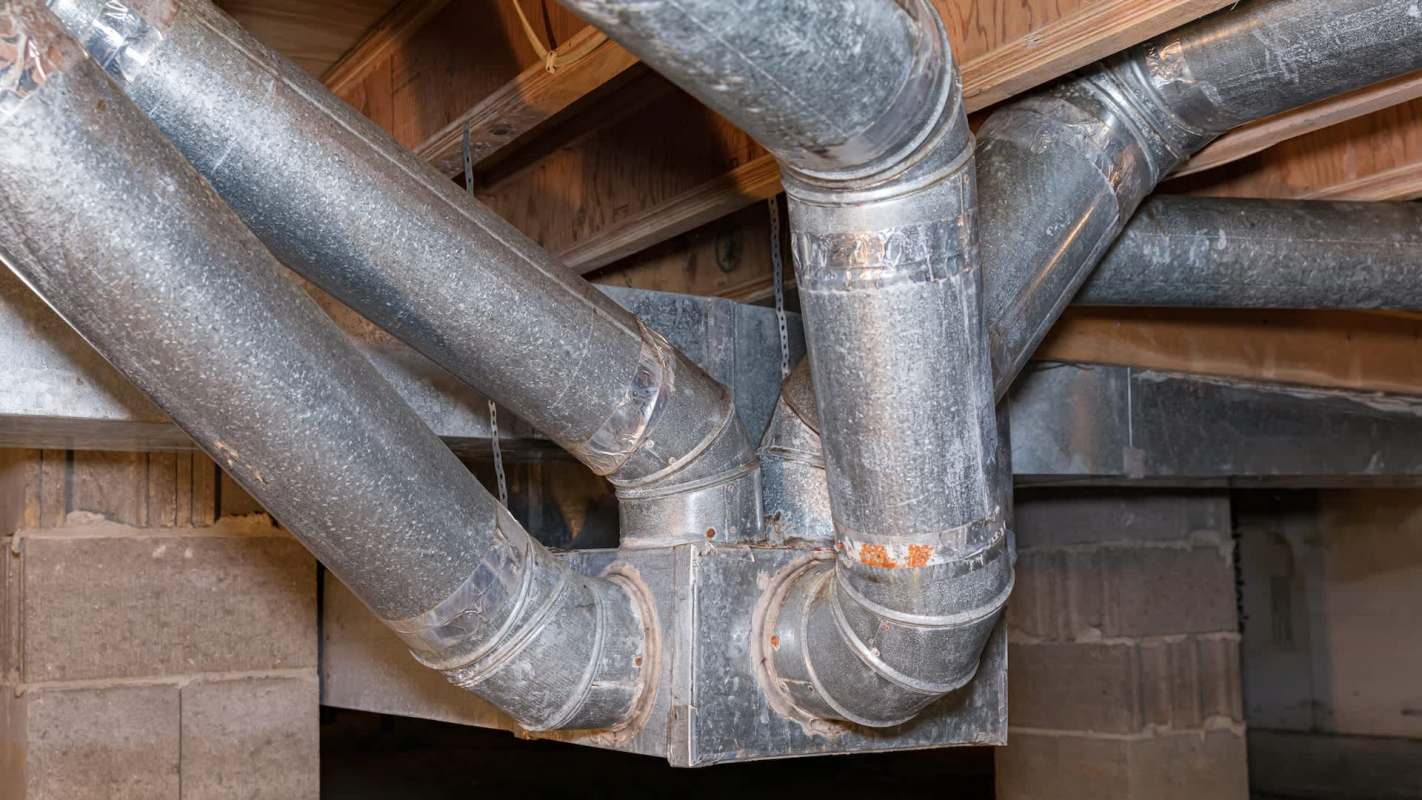
With energy prices continuing to rise, a growing number of homeowners have been looking for ways to ditch their old gas and oil-powered furnaces in exchange for an efficient new heat pump HVAC system.
One such homeowner in Belgium turned to Reddit for advice on how to switch from oil heat to a heat pump while still using their home's existing HVAC ducts. As usual, the internet had plenty of opinions on the matter.
What's happening?
The original poster explained that they had been preparing for the transition from oil heat to an electric heat pump by significantly upgrading the home's energy efficiency and heat retention. The work included adding insulation to the roof and walls, as well as installing new high-performance aluminum windows.
With those improvements in place, the owner is now looking at the heating equipment itself. As the OP put it, "I would like to remove the oil-fired boiler but keep the existing ductwork and supply vents."
Specifically, the OP sought advice on whether a conventional ducted heat pump or an air-to-water configuration with a hot-water coil would be the better way to increase the temperature of the supply air.
In response, Redditors were largely encouraging, with several commenting that they also had made the transition from oil or gas-powered heat to a heat pump while still using their home's existing ducts.
As one commenter wrote, "Yes, 1000s of homes (maybe 10s of thousands, or more!) have done exactly this upgrade."
Other users emphasized that working with an installer with an expertise in heat pumps to choose an appropriately sized system likely would be a more successful approach than focusing strictly on maximizing supply-air temperature.
Save $10,000 on solar panels without even sharing your phone number Want to go solar but not sure who to trust? EnergySage has your back with free and transparent quotes from fully vetted providers in your area. To get started, just answer a few questions about your home — no phone number required. Within a day or two, EnergySage will email you the best options for your needs, and their expert advisers can help you compare quotes and pick a winner. Solar panels can save you more than $50k over their 25-year lifespan, and EnergySage can help you save as much as $10k on installation. Which begs the question — isn't that worth an email or two? |

Why does it matter?
The OP's question gained traction online because it touches on one of the biggest barriers to electrification: Homeowners want to know whether newer, cleaner technology will actually work in the houses they already have.
For example, reusing existing ducts can reduce disruption and potentially lower retrofit costs, especially in a home that has already been upgraded with better insulation and windows, like the OP's.
Heat pumps are significantly more energy-efficient than traditional HVAC systems, and they can provide both heating and cooling in one setup. Depending on where you live, that can translate into tax credits, rebates, and long-term savings on utility bills. Tools like EnergySage's Heat Pump Marketplace can help homeowners compare heat pump options before committing.
For people who do not need a whole-home solution, Merino offers single-room, ultra-efficient HVAC systems at a lower price point. This more-targeted heating and cooling option can work great for those who don't need to heat or cool an entire house at once.
As for the OP, forced-air systems may be less common in Belgium than in North America, so finding the right local installer could be part of the challenge. Along those lines, one commenter noted that the most practical brand choice is often the one a seasoned contractor already knows how to work with.
What can I do?
If you are considering a similar move, the Reddit responses point to a few practical steps.
First, whenever possible, improve the building envelope before replacing equipment. Increasing insulation and installing more energy-efficient windows can shrink the heating load and open the door to a smaller, less expensive system.
Second, have contractors review the duct system you already have, particularly if you're concerned that rooms farther from the air handler may not stay warm enough.
Many homeowners seeking to get the most out of their home electrification have maximized their investment by powering their home with solar. For those looking to learn more about home solar, EnergySage offers clear, easy-to-understand information along with a free solar quotes comparison tool.

Get TCD's free newsletters for easy tips, smart advice, and a chance to earn $5,000 toward home upgrades. To see more stories like this one, change your Google preferences here.






