


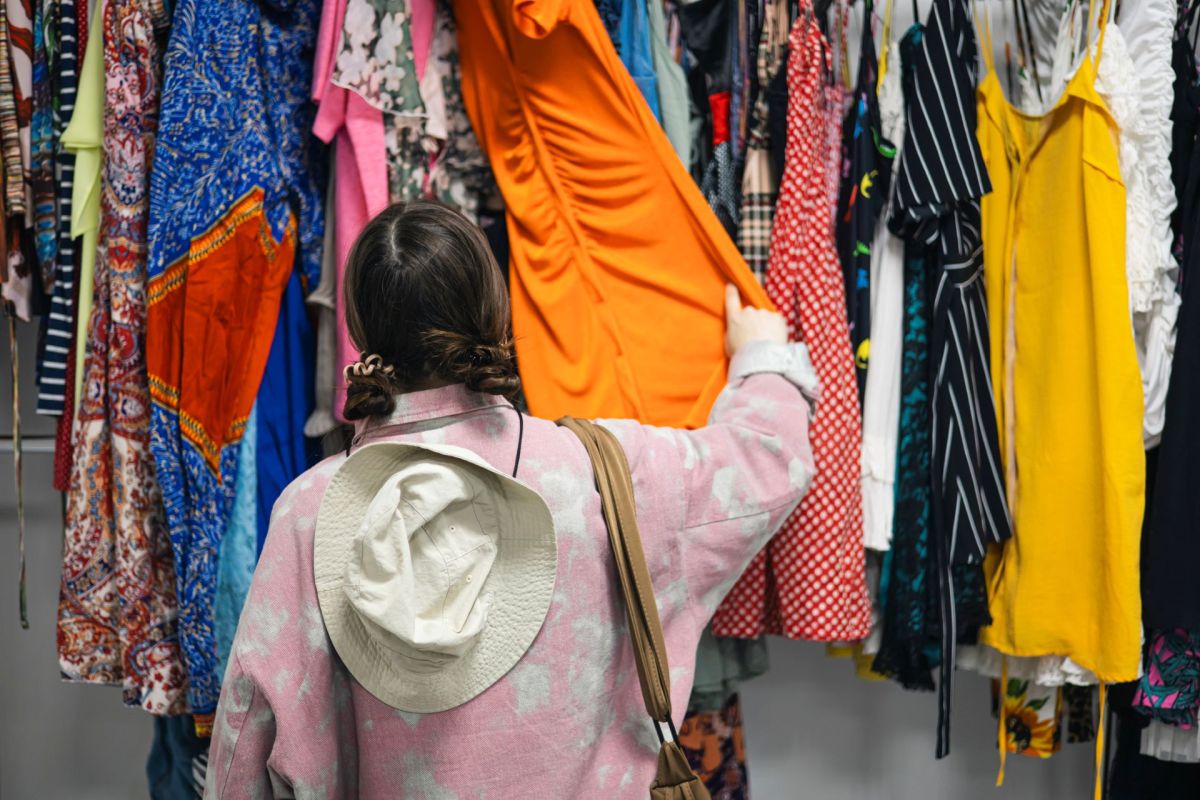
Thrift shopping has been recast in a short span of time. Once associated mainly with getting by on a tight budget, it is now a mainstream way to shop, and some customers say that wider appeal is showing up on the price tags.
The growing popularity, visibility, and profitability of secondhand clothing is prompting concern from people who have long counted on thrift stores for cheap basics and now wonder whether the deals are fading.
What's happening?
WBUR reported that the secondhand clothing business has expanded quickly since the COVID-19 pandemic, and Goodwill said it took in a record $7 billion last year.
A report on Boise State Public Radio, originally published on WBUR.org, describes Here & Now's Indira Lakshmanan speaking with reporter Hannah Marriott about thrifting's rise into a multibillion-dollar business and whether that growth is making secondhand shopping less affordable for those who need it most.
Marriott explained that, as more shoppers turn to used clothing, added demand can lift prices and reduce the amount of quality items found in places like Goodwill. The knockon effect of this is that it can make thrift stores feel less like a reliable source of low-cost clothes for low-income families and more like a competitive retail marketplace, especially in neighborhoods where resale is in style.
Even so, thrift stores can still save shoppers money, though the secondhand market now looks much more commercial than it did in the past.
TCD Picks » Quince Spotlight
💡These best-sellers from Quince deliver affordable, sustainable luxury for all




Why does it matter?
For many households, thrift stores have long served as a financial cushion. They can make it easier to replace children's clothes, buy workwear, or pick up everyday basics without putting too much strain on a monthly budget.
When prices climb too high, the items might become unattainable for those on a strict budget. Shoppers who once depended on secondhand stores may now find themselves competing with bargain hunters, style-focused shoppers, and online resellers willing to pay more.
In addition, buying used clothing can help extend the life of garments and reduce demand for newly made items, particularly in a fashion industry known for waste and overproduction. But if thrifting becomes less accessible, some of those practical benefits may be harder for budget-conscious consumers to take advantage of.
Unfortunately, Marriott explained that while there has been an increase in secondhand shopping, it's not resulting in a decrease in regular shopping. Even though people are buying more secondhand clothes than before, shoppers are still buying the same amount of new clothes.
What can I do?
If your goal is to save money, flexibility can help. Comparing options at large chains, local charity shops, church-run stores, and neighborhood resale stores can be worth the extra effort.
It may also help to shop with a list and a set budget. Thrifting can feel like a treasure hunt, but going in with a clear plan for essentials — such as jeans, coats, or children's clothing — can make it easier to avoid impulse purchases that eat into the savings.
There are also clothing swaps, mutual-aid groups, buy-nothing networks, and community closets that offer lower-cost alternatives. While those options may not fully replace thrift stores, they can still help stretch a household budget.
For donors, where clothes end up matters, too. Supporting local organizations that prioritize community access may help keep secondhand goods circulating close to the people most likely to need them.

Get TCD's free newsletters for easy tips, smart advice, and a chance to earn $5,000 toward home upgrades. To see more stories like this one, change your Google preferences here.






