


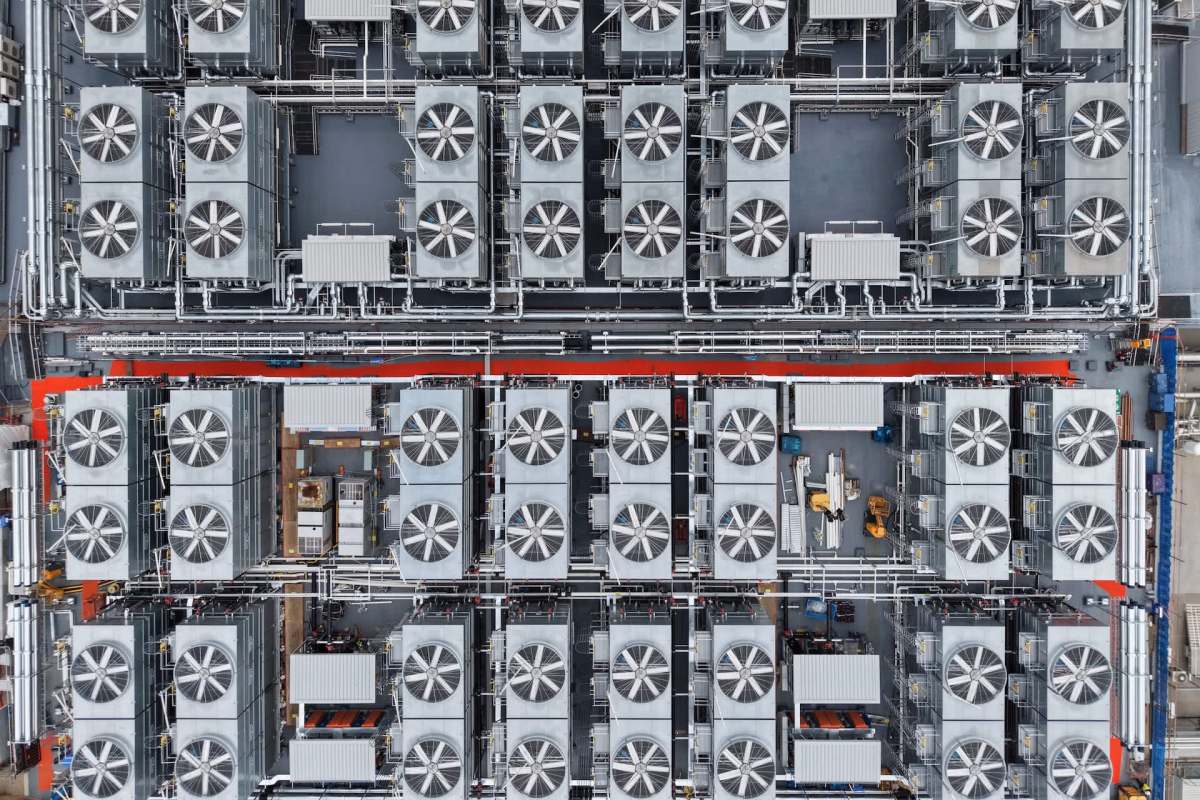
East Tennessee communities are moving quickly to make sure AI data centers don't end up too close to homes before residents have a chance to weigh in, according to the Tennessee Lookout.
What's happening?
Rather than wait for developers to file applications, cities and counties across East Tennessee are implementing zoning limits and temporary pauses to control how data center development happens.
The Lookout reported that Kingsport now confines data centers to heavy industrial areas, requires them to sit at least 500 feet from homes, and sets a 60-decibel noise limit.
Elsewhere, Jonesborough barred them within 1,500 feet of residential structures, and Bristol approved a two-year moratorium. Washington County paused projects through June 30, 2027.
Johnson City has taken a similar approach, extending its moratorium until December. In the meantime, officials will refine rules that would confine data centers to I-2 Heavy Industrial areas, require environmental impact studies, and mandate annual compliance reviews.
In a recent city survey reported by the Lookout, more than 5,000 of 6,000 respondents said they were "extremely concerned" about a possible data center.
TCD Picks » Quince Spotlight
💡These best-sellers from Quince deliver affordable, sustainable luxury for all




When speaking to officials at a June 9 planning meeting, the Lookout stated that Johnson City resident Rebecca Tolley said, "I'd like to encourage you all, to continue to very heavily scrutinize these industries as they come in and propose to come in."
How are these regulations helpful?
These restrictions could help preserve quieter neighborhoods and reduce the likelihood that large industrial facilities will reshape daily life without meaningful local oversight.
In other places where data centers already operate, residents have described a nonstop low hum. Opponents also note the pollution and the amount of power these facilities create and consume, respectively.
That conflict is already evident in Hawkins County, Tennessee, where crypto company ExoticRidge is suing over the county's ban on crypto mines.
In court, the Lookout stated that the county argued that residents "do not want to live alongside a gas-burning computer farm that pumps out dirty air and noise pollution at all hours of the night and day."
Supporters of the industry argue that blanket restrictions can discourage investment.
Attorney Ben Stormes with The Beacon Center called Hawkins County's ban a reaction to "an unpopular business" and said banning entire industries is "anti-American."
What's being done?
Johnson City officials are trying to build a middle-ground model.
Johnson City Planning Manager Whitney Hodges said the city has spent years updating noise and zoning rules to keep pace with fast-changing technology.
Draft rules under discussion would require public-facing websites detailing operations and contingency plans in case operators abandon sites.
Organizing is also happening before any proposal reaches the table.
In Monroe County, resident Amber Bright, who leads a local anti-data center Facebook group, said to the Lookout, "I do not want Monroe County — or any rural community — to suffer lasting local damage for the benefit of corporations that will not have to live with the consequences."

Get TCD's free newsletters for easy tips, smart advice, and a chance to earn $5,000 toward home upgrades. To see more stories like this one, change your Google preferences here.






