


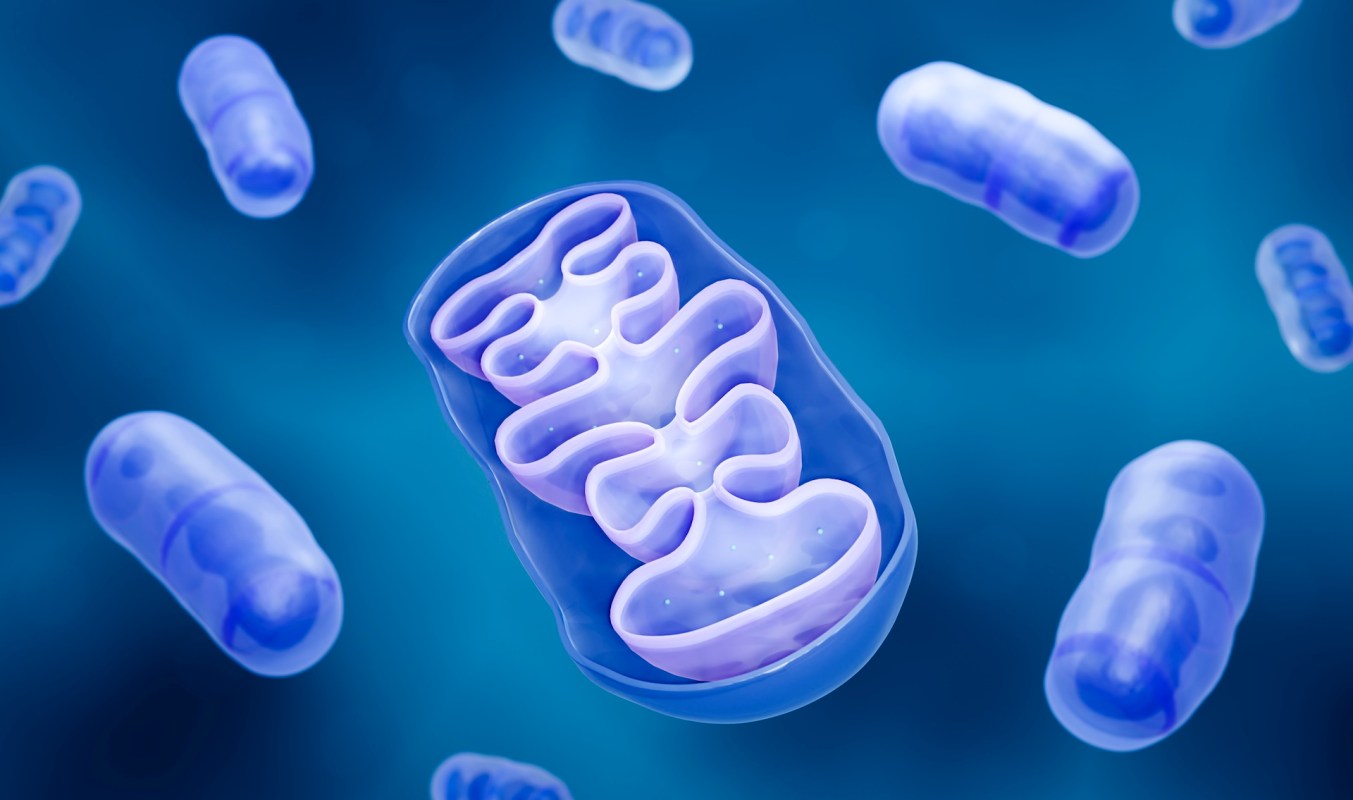
Researchers in Australia say mitochondria — the cell structures most often associated with making energy — may also help defend against infection by changing form in ways that help cells get rid of harmful bacteria.
Over time, that insight could help guide the search for infection treatments that do not depend solely on antibiotics, especially as some bacteria become increasingly difficult to treat.
What happened?
A University of Queensland-led team, working with collaborators in Switzerland and Spain, reported in Science Immunology that mitochondrial fission — when a mitochondrion divides into smaller pieces — can improve antibacterial defenses inside cells, Medical Xpress reported.
To investigate, the scientists studied mouse macrophages, human macrophages, and the worm Caenorhabditis elegans. In each of those systems, infection with E. coli set off mitochondrial fission, which in turn helped the host clear the bacteria more effectively.
The researchers linked that splitting to two downstream responses: production of antimicrobial lipid droplets and activation of the mitochondrial unfolded protein response, or UPRmt, a stress-response pathway. In that pathway, the transcription factor ATF5 moved into the nucleus, where it turned on antimicrobial genes and also helped prevent the immune reaction from becoming overly intense.
When fission was blocked and mitochondria were driven toward fusion instead, infected cells contained more E. coli. The same pattern did not hold for every pathogen, however, because Salmonella typhimurium appeared to disrupt fission in a way that supported its own survival.
TCD Picks » Quince Spotlight
💡These best-sellers from Quince deliver affordable, sustainable luxury for all




Why does it matter?
If scientists eventually figure out how to safely push mitochondria into this more protective mode, the pathway could become part of a future treatment approach.
The findings also expand what researchers think mitochondria do. In addition to their familiar role in energy production, they may help coordinate infection-related signaling and shape how strongly a cell responds.
Because the mechanism appeared in species ranging from worms to mammals, the researchers said it may be a pathway preserved through evolution, which could make it an appealing target for future drug development.
What's being done?
The study did more than connect mitochondrial fission to antibacterial defense; it also pointed to specific parts of the pathway that might be useful to target in later therapies.
One of those potential control points is the enzyme HDAC6, according to Medical Xpress.
Blocking HDAC6 increased mitochondrial fission, boosted lipid droplet formation, and improved bacterial clearance, suggesting the enzyme could become a therapeutic target in efforts to treat hard-to-manage infections.
Any clinical use is still a long way off, and further studies will be needed before therapies based on this work reach patients. Still, publication in a peer-reviewed journal gives other researchers a starting point for testing whether the pathway can be targeted safely in more complex disease settings.
Ronan Kapetanovic and colleagues wrote in the journal that mitochondrial fission "is an evolutionarily conserved pathway that provides cell-autonomous control of infection."
Claire Olingy, a senior editor at Science Immunology, wrote in an editorial commentary that the findings identify "a conserved, targetable axis linking mitochondrial dynamics to innate immune defense."

Get TCD's free newsletters for easy tips, smart advice, and a chance to earn $5,000 toward home upgrades. To see more stories like this one, change your Google preferences here.






