


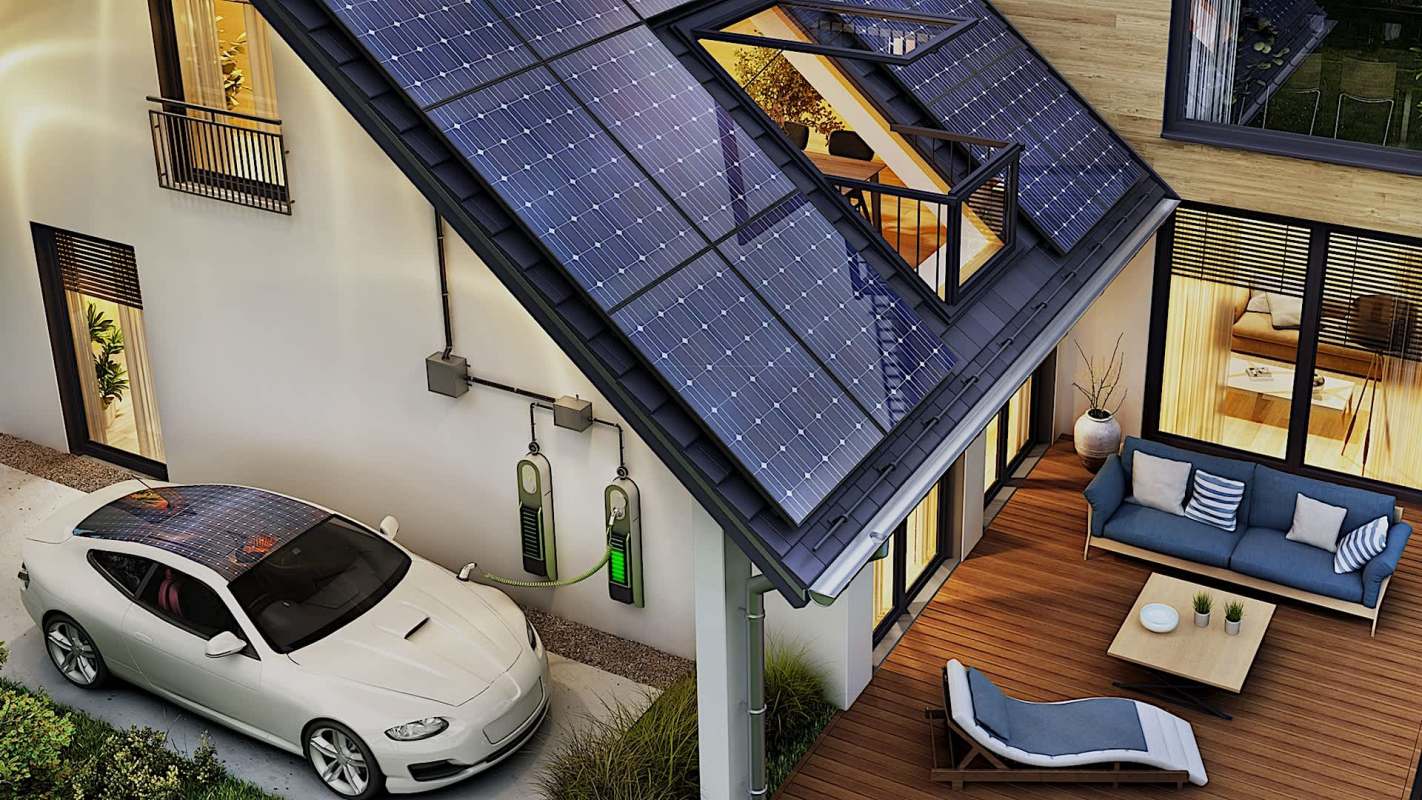
As utility bills rise, and solar panels and home batteries improve, more and more homeowners are considering clean energy technologies. And new data from Australia, a country that's seen widespread solar and battery adoption, shows how household energy usage shifts after making the upgrade.
What's happening?
According to SolarQuotes, the Australian Energy Market Operator — the body that oversees the country's main electricity system — reviewed 20,000 detached homes in the second quarter of 2026 and found a sizable gap between houses with only solar and those with solar plus battery storage.
SolarQuotes reported that AEMO studied homes in two groups of 10,000. One group had rooftop solar systems under 20 kilowatts and no battery, while the other had similar-sized solar setups that were paired with batteries.
The outlet noted that homeowners with batteries were more likely to store excess solar energy during the day instead of sending it back to the grid. By saving that electricity for later, they could continue supplying power during the afternoon and delay drawing more heavily from the grid until nighttime, when demand patterns changed.
From 4 p.m. to 9 p.m., homes with batteries pulled about 0.3 kilowatts from the grid on average, compared with roughly 1.0 kilowatt for homes with solar alone. In those peak hours, that works out to about 73% less grid electricity drawn.
Why does it matter?
That 73% figure is not the same as saying battery owners used 73% less electricity overall or cut their bills by that exact amount. As SolarQuotes explained, it shows that batteries can sharply reduce how much power a home needs from the grid when demand and prices are usually at their highest.
TCD Picks » Quince Spotlight
💡These best-sellers from Quince deliver affordable, sustainable luxury for all




Power used in the evening is often the most difficult, and sometimes the most expensive, electricity to provide. Tapping stored solar after sunset can help households avoid more peak-period pricing while getting more out of the panels they already have.
The upside is not limited to a single house. If thousands of homes reduce their grid demand at the same time, pressure on power plants and transmission networks eases.
As summarized by SolarQuotes, AEMO's wider quarterly data also indicated much lower wholesale electricity prices, gas generation at its lowest second-quarter level in more than 20 years, and a larger role for big batteries in setting evening prices.
Data like this shows small changes on individual homes can scale into systemwide savings, less pollution, and a grid that handles demand spikes more smoothly.
What can I do?
If you already have solar, it may be worth it to investigate how much energy you use after sunset and what your utility's peak usage rates are. Those two factors can determine whether upgrading your home with a backup battery is worth it.
In general, homeowners who upgrade to solar panels can save big on annual energy costs. And those who pair solar panels with batteries have the benefit of dodging peak usage rates and keeping the lights on during outages.
AEMO's results, as reported by SolarQuotes, suggest that home solar and battery systems have moved beyond being experimental technology and are becoming practical upgrades that can help homeowners save money while improving how they use energy. Across thousands of actual households, they are already helping people use more of their own solar power at the times it matters most.

Get TCD's free newsletters for easy tips, smart advice, and a chance to earn $5,000 toward home upgrades. To see more stories like this one, change your Google preferences here.






