


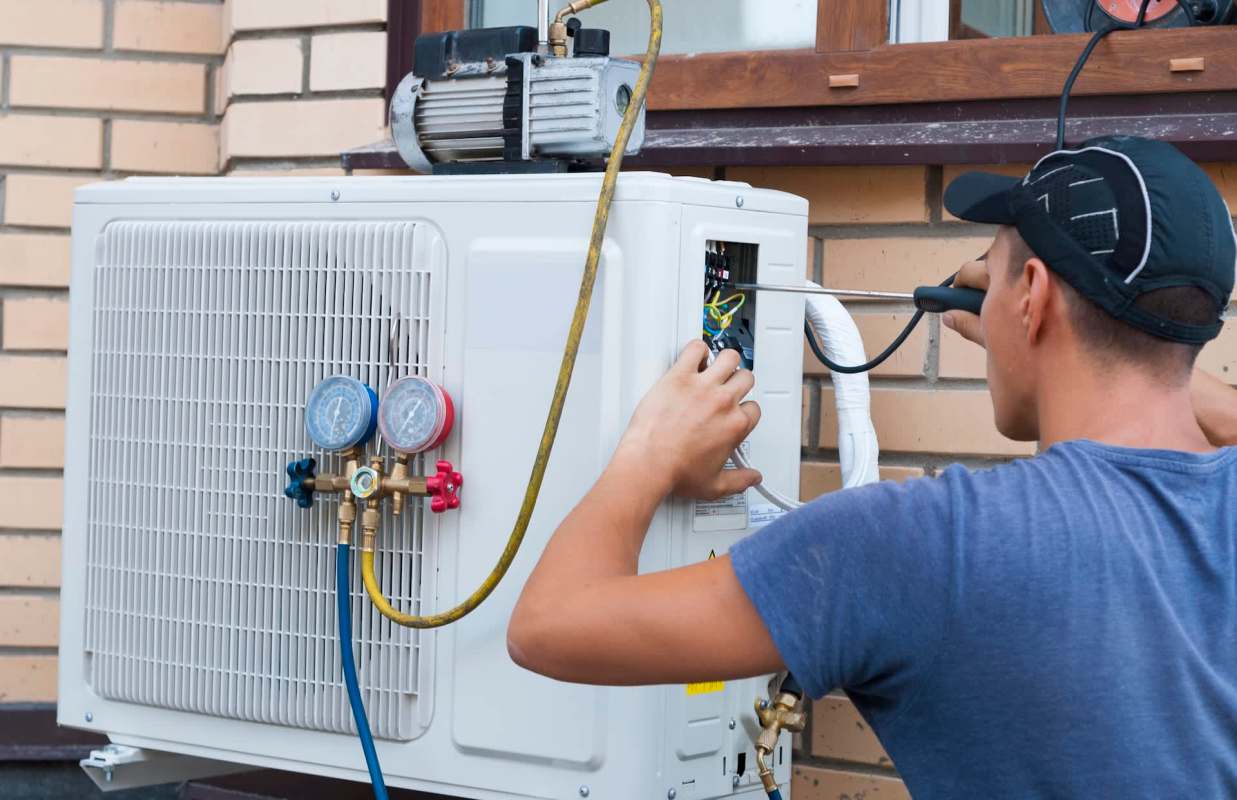
Electrification is gaining popularity across the United States, but are state and local programs prepared for the backend of that trend?
As electrification gains traction, heat pumps are no longer a fringe upgrade for homeowners, but installers say the difficult part is not the equipment itself. It is walking customers through a tangle of incentives, local rules, and higher electric bills.
What's happening?
Recent sales show how quickly the market has changed. According to Contractor, citing the International Energy Agency, U.S. heat pump sales have been higher than gas furnace sales since 2022, a sign that electrified home heating has moved beyond the early-adopter phase.
Growth, however, looks very different from one state to another. Contractor highlighted Massachusetts, Vermont, and New York as standout markets, where programs such as Mass Save and NYSERDA can lower upfront costs by thousands of dollars.
At the same time, the incentive landscape has become more confusing at the federal level. Shifts affecting the Home Efficiency Rebates program and the High-Efficiency Electric Home Rebate Act have reduced momentum behind electrification and led states to reconsider how they roll out programs.
Even where rebates are still offered, eligibility can change by city, utility territory, or funding cycle, so contractors end up explaining why sizable savings are available to one household but not another.
TCD Picks » Quince Spotlight
💡These best-sellers from Quince deliver affordable, sustainable luxury for all




Why does it matter?
For homeowners weighing a move away from fossil-fuel heat, that uneven landscape makes the math harder to work out. What seems like an obvious cost saver in one market can look far less attractive in another.
Energy prices are a big reason: U.S. Energy Information Administration data showed residential electricity prices rose more than 10% year over year in early 2026, while fuel costs have been moving around enough to muddy long-term savings estimates.
Before signing off on a major retrofit, families want clear answers. They are asking about monthly utility bills, performance during severe weather, and how long rebates or lower energy use might take to offset the initial expense.
Households are starting to weigh the financial aspect of electrification more and more as these variables keep changing.
What's being done?
Contractors are responding in part by avoiding one-size-fits-all solutions. Some are recommending dual-fuel setups that pair an air-to-water heat pump with a boiler, letting the heat pump do most of the work and reserving the boiler for periods of especially high demand.
The pressure is also on manufacturers to provide support beyond the unit itself. Job-specific tools for estimating operating costs, fuel consumption, and performance can help installers set clearer expectations before a system goes in. Help with rebate paperwork can likewise cut confusion and save time.
Companies such as Cala are advancing heat pump water heater technology with smart features that maximize their efficiency. Cala's customizable smart heat pump water heaters help homeowners reduce their energy bills by heating water exactly when it's needed, so energy isn't wasted constantly maintaining hot water temperatures.
Looking at options side by side can make the tradeoffs easier to see, especially when local utility pricing, climate, incentives, and backup-heat choices all shape the long-term cost picture.
Heat-pump conversions are about more than the installation. They work best when the system matches the home, the homeowner's finances, and an energy market that can change fast.

Get TCD's free newsletters for easy tips, smart advice, and a chance to earn $5,000 toward home upgrades. To see more stories like this one, change your Google preferences here.






