


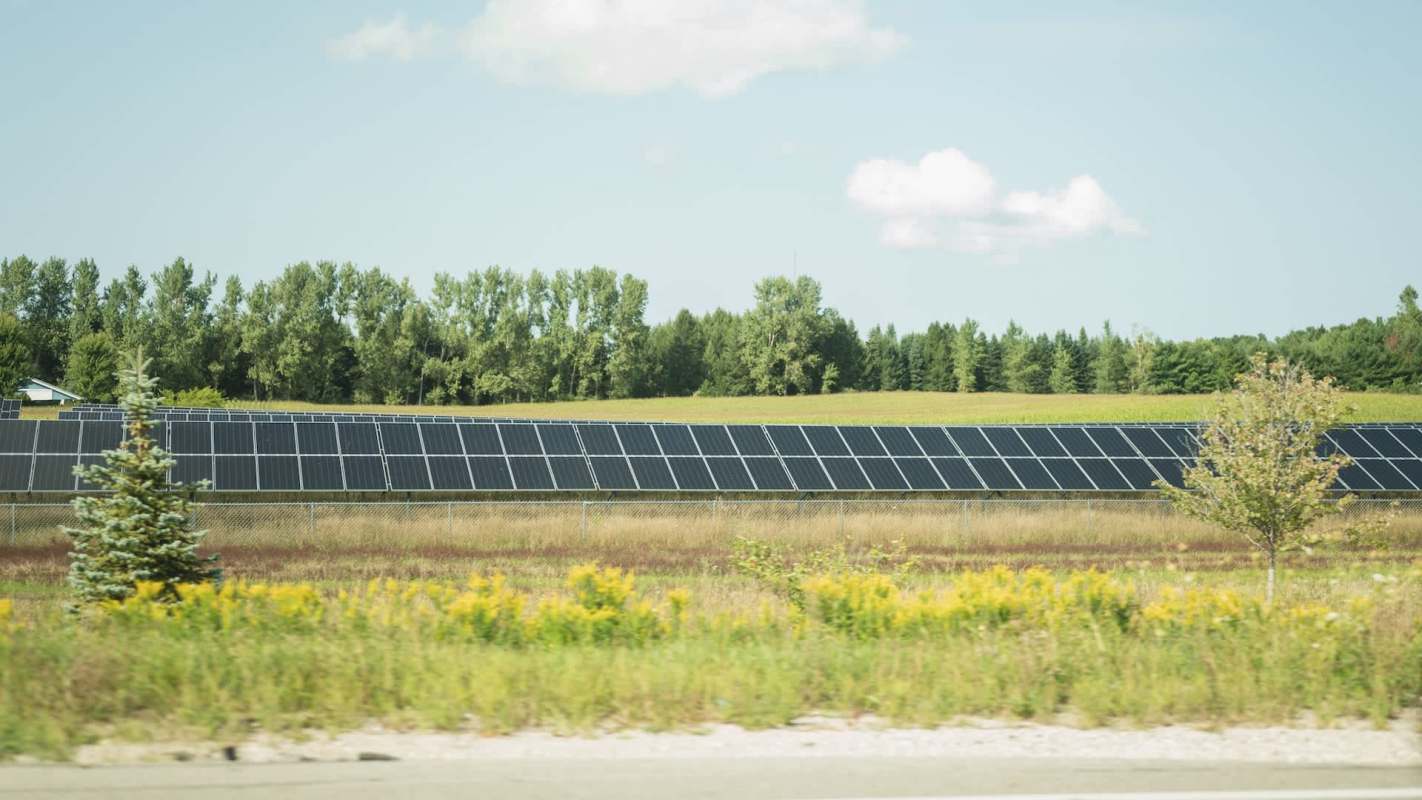
Michigan is offering financial support to local governments involved in large clean energy developments.
Under an expanded state initiative, communities that handle approvals or serve as project hosts can receive payments, according to ABC12.
What happened?
An expanded round of the Renewables Ready Communities awards is now underway through the Michigan Department of Environment, Great Lakes and Energy, or EGLE.
Through the program, local governments tied to qualifying clean energy developments can receive up to $4,000 per megawatt for hosting projects or managing permits.
The program applies to grid-connected wind, solar, and battery storage projects with capacities of at least 50 megawatts.
Payouts can rise by 25% if developers satisfy certain labor standards, giving communities an extra incentive to back projects tied to stronger workforce practices.
Utility-scale energy projects often bring new opportunities, but they can also require more planning, public meetings, and infrastructure coordination. State funding can help ease some of the burden involved in reviewing and approving large developments.
Why does it matter?
For homeowners, going solar is one of the best ways to save money on home energy. If you're curious about the costs, you can explore EnergySage's free tools to get quick solar installation estimates and compare quotes.
Save $10,000 on solar panels without even sharing your phone number Want to go solar but not sure who to trust? EnergySage has your back with free and transparent quotes from fully vetted providers that can help you save as much as $10k on installation. To get started, just answer a few questions about your home — no phone number required. Within a day or two, EnergySage will email you the best local options for your needs, and their expert advisers can help you compare quotes and pick a winner. |

Michigan's awards could make it easier for communities to support projects that bring more renewable power and storage onto the grid. Financial backing can help offset the administrative work tied to permitting while also giving residents a clearer sense of what their town or county may receive in return.
Adding more wind, solar, and battery capacity can help build a cleaner, more flexible energy system. As electricity demand continues to rise, expanding those resources can improve reliability while reducing the pollution associated with fossil fuel-heavy generation.
What's being done?
Michigan's approach rewards communities that take part in the energy transition instead of leaving them to manage the challenges alone. By linking payments to project size and offering a bonus for labor standards, the state is signaling that clean energy expansion and community benefits should go hand in hand.
For readers thinking about their own energy costs, EnergySage's free services can be useful well beyond a single quote comparison. With EnergySage's help, the average person can save up to $10,000 on solar purchases and installations. Tools like EnergySage's solar map show the average cost of a home solar panel system on a state-by-state level, along with solar panel incentives available in each state, helping people find the best price and claim savings they may qualify for.
More From EnergySage
💡Go deep on the latest news and trends shaping the residential solar landscape
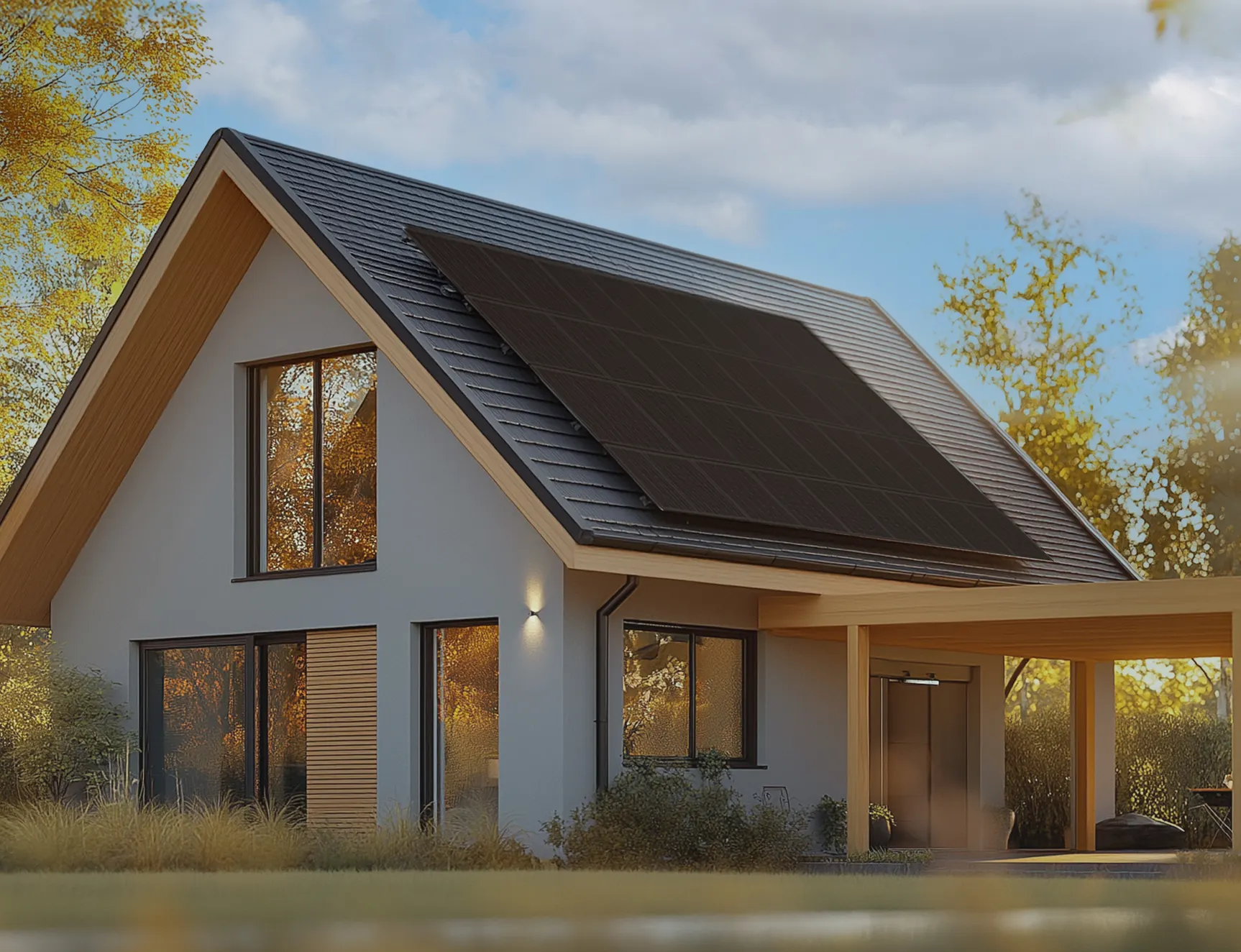
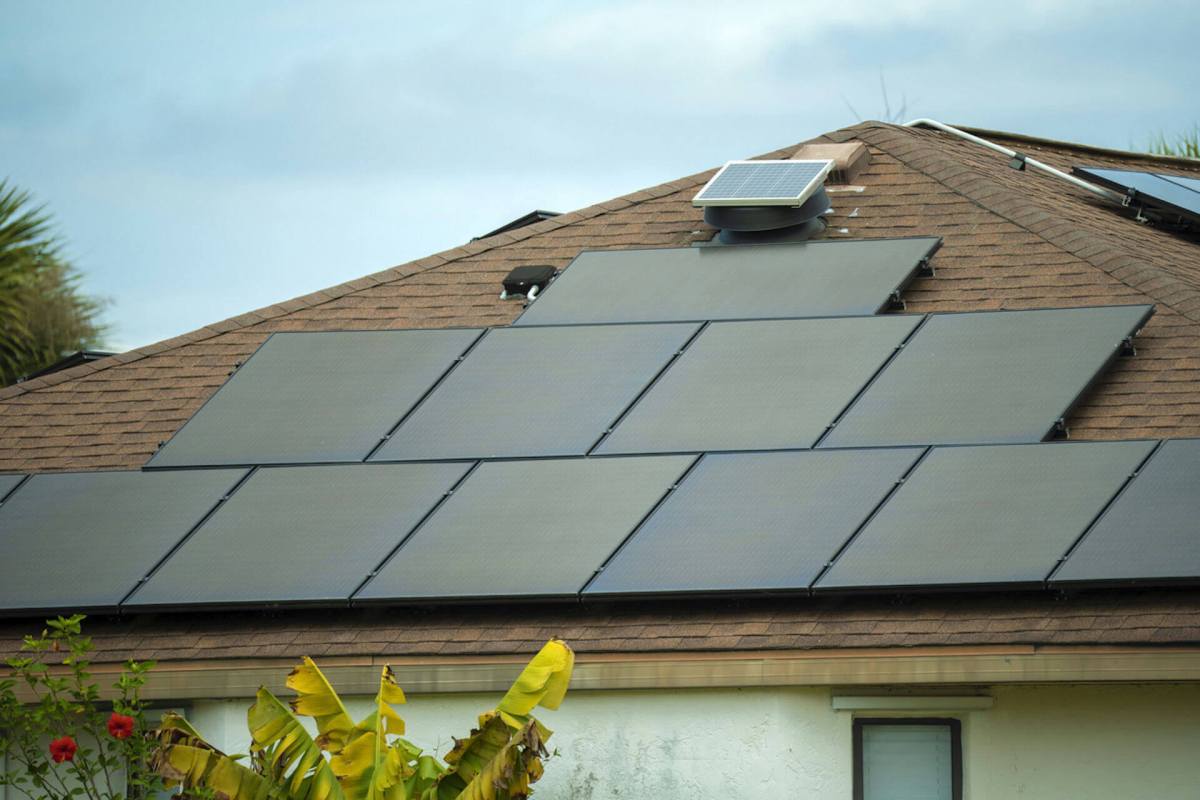
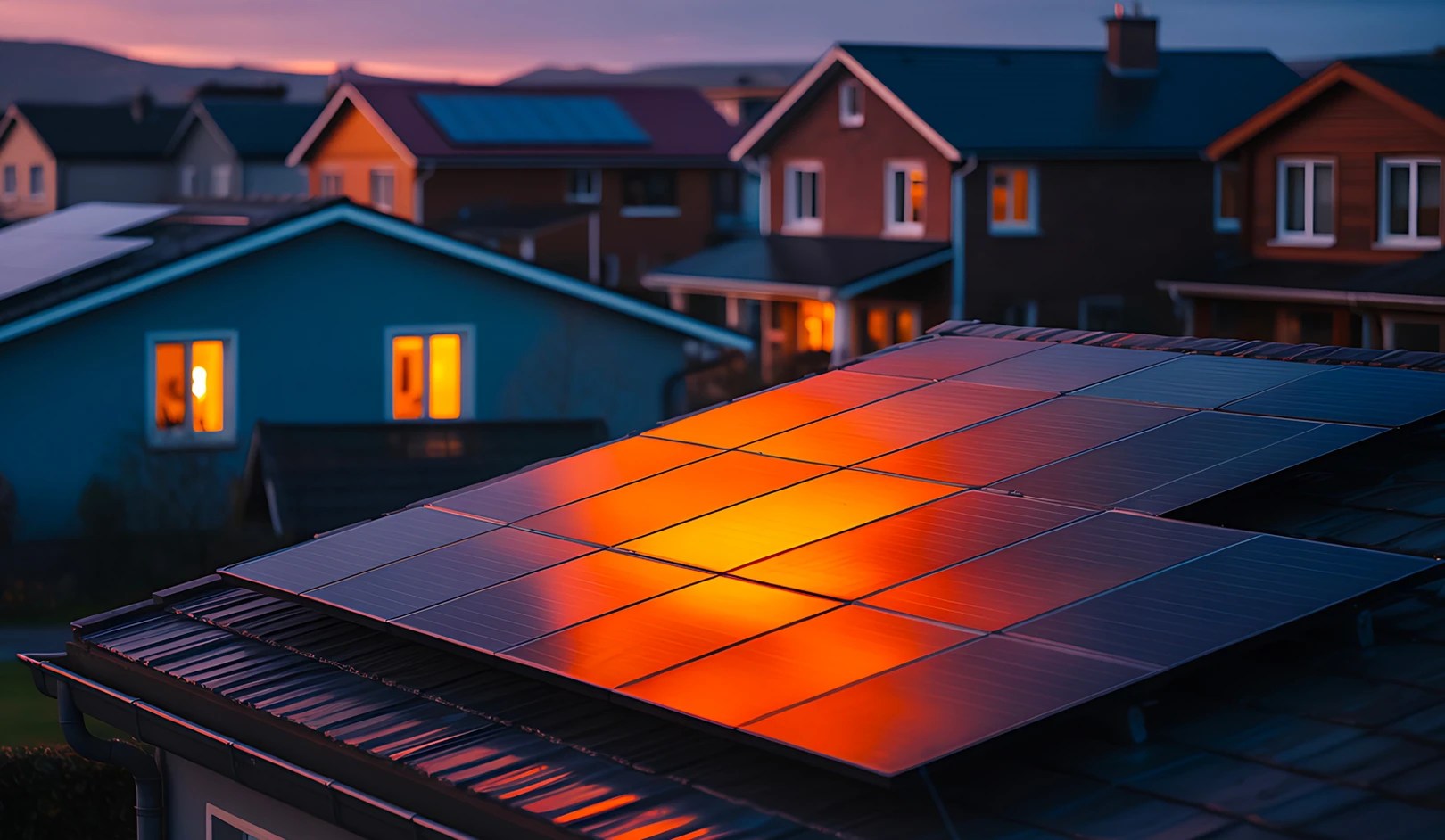

Adding battery storage to a solar setup is one of the best ways to protect your home during outages, save money on energy, and go off-grid. It can also make the power your panels generate more useful by storing electricity for later use. If you want to compare options, explore EnergySage's free tools for information about home battery storage options, including competitive installation estimates.
In a statement on the expansion shared with ABC12, EGLE Director Phil Roos said: "Continuing this awards program underscores EGLE's dedication to supporting Michigan communities leading the transition to clean, reliable energy."

Get TCD's free newsletters for easy tips, smart advice, and a chance to earn $5,000 toward home upgrades. To see more stories like this one, change your Google preferences here.






