


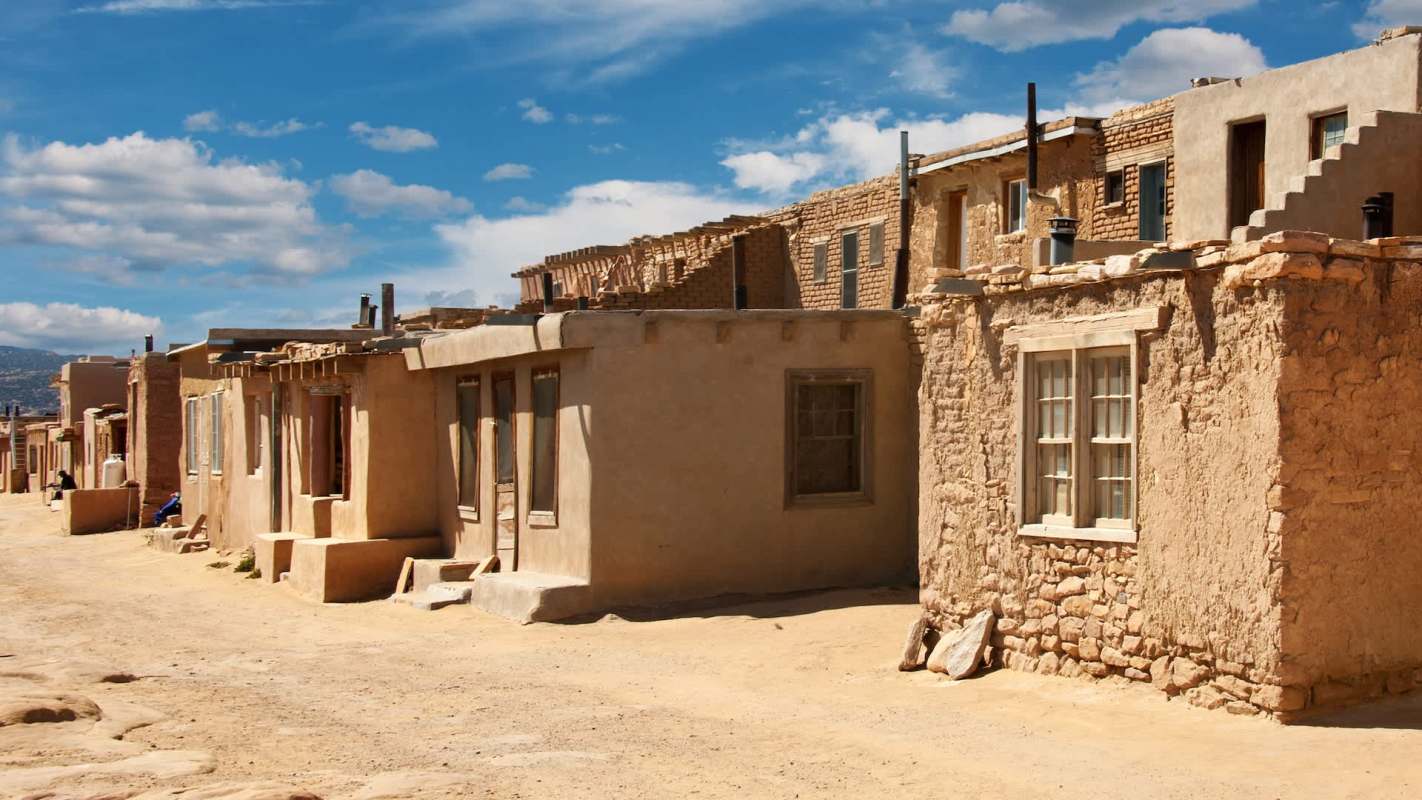
More than $2.1 million in federal money was awarded to two New Mexico tribal communities to help improve their recycling and waste management efforts, KOAT reported.
The funding is provided through the Environmental Protection Agency's Solid Waste Infrastructure for Recycling grant program.
What happened?
The project aims to help reduce pollution in the Rio Grande watershed. The Pueblo of Isleta will receive $1.5 million, and the Pueblo de Cochiti will get nearly $641,000.
At Isleta, the project centers on an eight-acre area beside the community's transfer station, where plans call for a sorting pad, three tipping stations, and new drop-off spaces for green waste and construction debris.
At Cochiti, the grant will pay for a centralized composting program. The project will add compost bins and collection containers, along with processing areas and equipment, so scraps from food, yard waste, and similar organic materials can be diverted from landfills.
Why does it matter?
Waste systems can have an outsized effect on public health, local budgets, and the surrounding environment, especially in communities where disposal options are limited. Better recycling and composting infrastructure can reduce the amount of material that ends up buried, burned, or dumped in the wrong place.
TCD Picks » Quince Spotlight
💡These best-sellers from Quince deliver affordable, sustainable luxury for all




EPA officials said the investments are intended to strengthen recycling infrastructure, reduce disposal costs, and extend landfill life — a combination that can help make waste systems more resilient over time.
What's being done?
The funding will help the communities build the basic systems needed for cleaner waste management.
Rather than relying only on individual behavior, these projects focus on infrastructure: Places to drop off materials, equipment to process them, and education to help people use the system correctly.
At Isleta, that means creating more capacity to sort recyclable materials, along with dedicated areas for green waste and construction debris. At Cochiti, the new composting setup is designed to capture organic waste before it is burned or buried.
The education campaign could also help reduce contamination, which remains one of the biggest barriers to effective recycling programs.
With more than $2.1 million now headed to the two pueblos, the projects could become a meaningful example of how targeted investment can cut waste, protect natural resources, and give communities more room to grow without increasing the pollution burden that comes with it.

Get TCD's free newsletters for easy tips, smart advice, and a chance to earn $5,000 toward home upgrades. To see more stories like this one, change your Google preferences here.






