


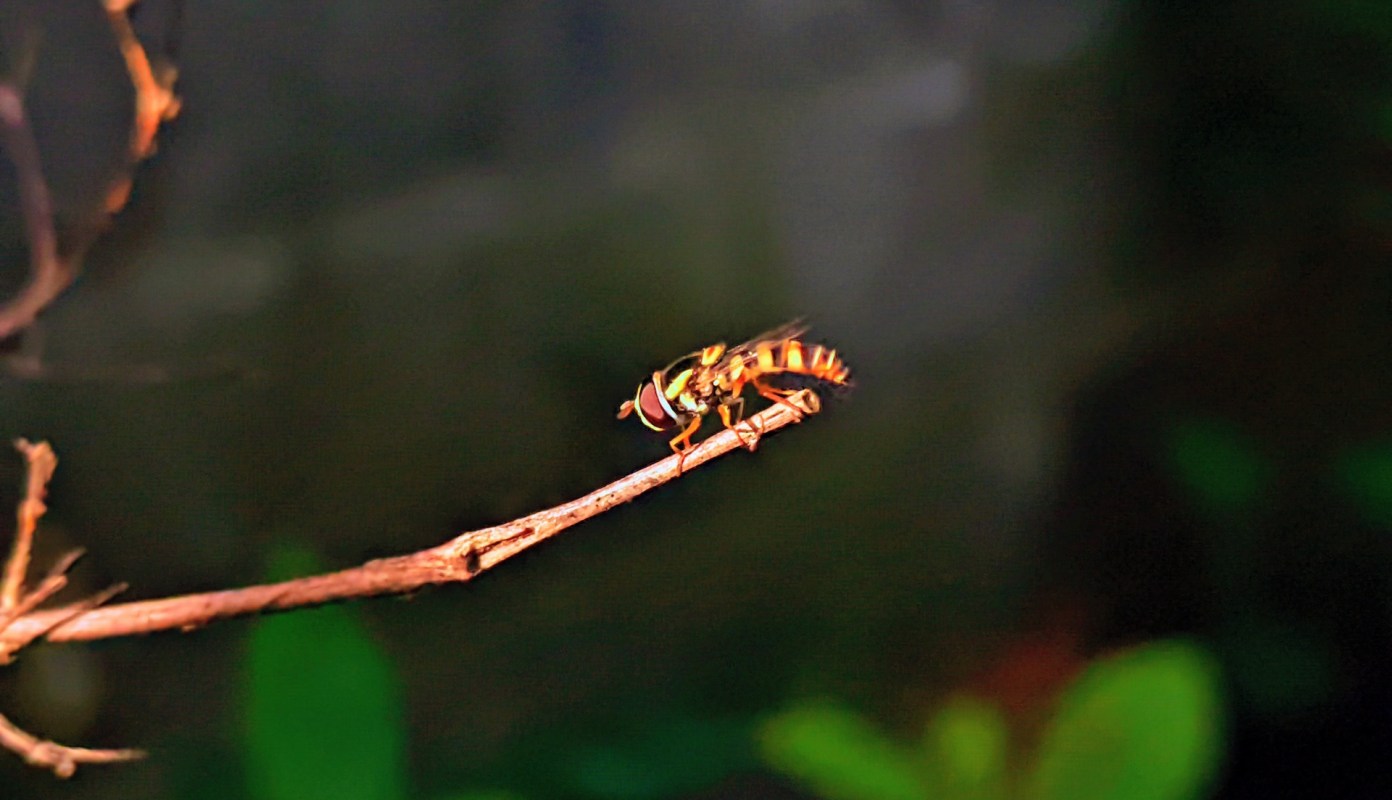
On a family farm in southeastern Indiana, a retired couple has spent the last 16 years trying to address the disappearance of butterflies, fireflies, and songbirds in their area.
Their family farm, which originated as a grain and livestock farm, has now evolved into a wildlife sanctuary for the natural world.
What's happening?
In 2010, Bob and Ellen Mulford decided to transform their 400-acre property into the Capability Farm into native habitat. Working with the USDA's Conservation Reserve Program and the Natural Resources Conservation Service, the couple built wetlands, restored woodlands, and planted thousands of native trees, shrubs, and grass.
Today, the property supports 200-plus bird species and is also home to reptiles, amphibians, mammals, and pollinators, according to Eagle Country 99.3 FM.
The farm has also become known for the return of species that had grown harder to spot in Indiana, including monarch butterflies, along with occasional appearances by bobcats, otters, and beavers.
Why does it matter?
The impact of insect decline can feel distant until it becomes visible in ordinary places, such as fewer butterflies around the yard, fewer birds visiting feeders, and fewer natural processes quietly supporting daily life. But insects help pollinate crops, support food webs, and maintain healthy ecosystems that communities rely on.
TCD Picks » Quince Spotlight
💡These best-sellers from Quince deliver affordable, sustainable luxury for all




The return of native grasses, milkweed, wetlands, and wooded areas creates food and shelter for wildlife that would otherwise struggle to survive in heavily altered landscapes.
It also benefits people directly. Visitors can explore a trail network on the Capability Farm spanning about 10 miles across prairie, woods, and wetlands, giving them a chance to see what ecological recovery looks like up close.
What's being done?
The Mulfords' approach combines restoration, stewardship, and education.
Ellen helps protect about 50 monarch eggs as well as caterpillars and chrysalises, while milkweed and native flowers planted across the property support endangered monarchs throughout the growing season, according to Eagle Country 99.3.
Relatives, volunteers, and a group the couple calls the Capability Farm Crew have all pitched in on planting and upkeep across the land for years.
Capability Farm has also become a living classroom. School classes, naturalist groups, photographers, Audubon clubs, and conservation organizations visit to learn how farmland and restoration can fit together.

Get TCD's free newsletters for easy tips, smart advice, and a chance to earn $5,000 toward home upgrades. To see more stories like this one, change your Google preferences here.







