


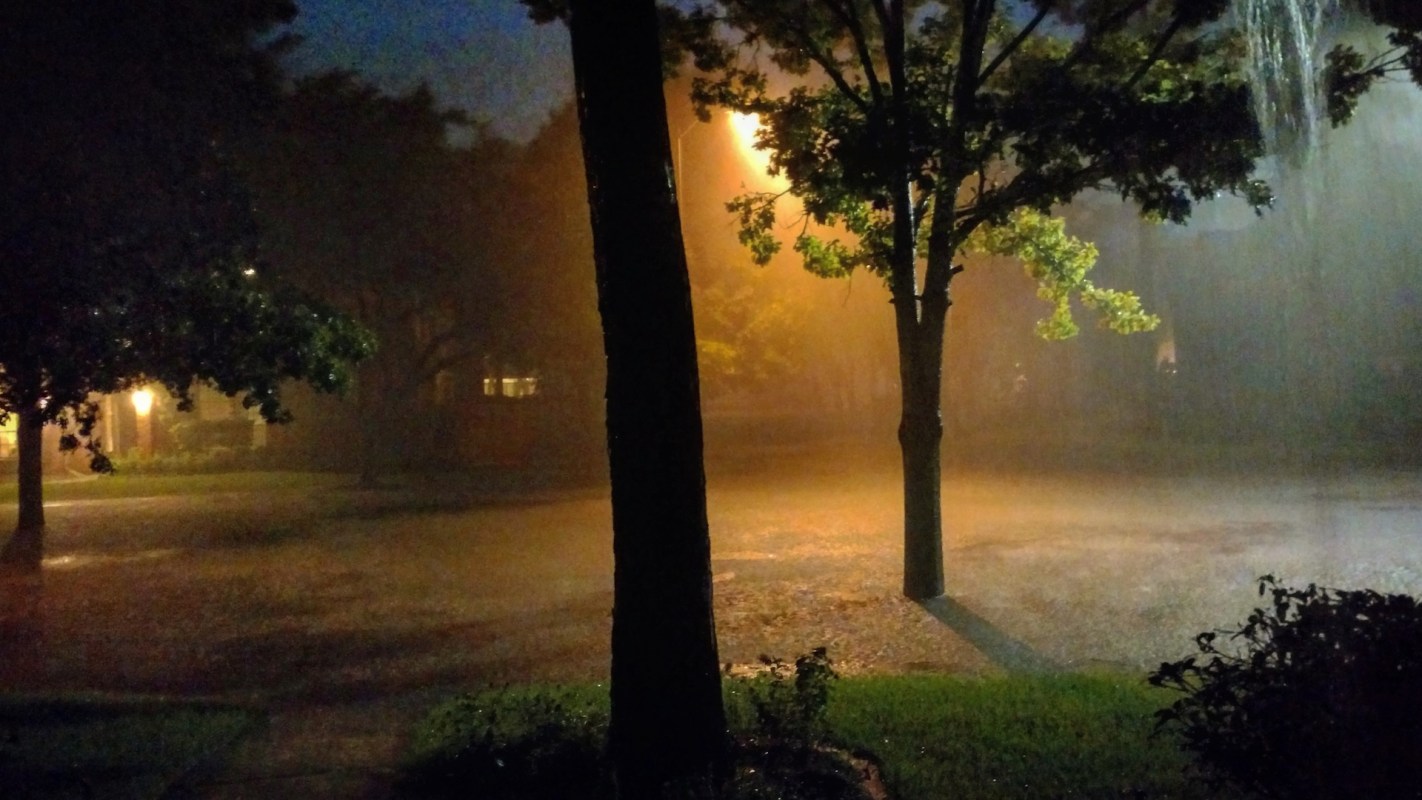
Homebuyers in Houston, Texas, may be facing a far greater flood threat than official maps indicate. Texas A&M University researchers estimate that the number of homes facing 100-year flood risk there is more than double what current Federal Emergency Management Agency maps show.
What's happening?
According to The Houston Chronicle, a model from Texas A&M University's Institute for a Disaster Resilient Texas puts about 389,500 properties in the Houston area at a 1% annual chance of flood damage — far above the roughly 184,800 properties FEMA has long included in its regulatory flood estimates.
The outlet noted that, although FEMA released draft revisions in February that would increase the countywide total to around 345,400 properties, officials have said it may still be years before those maps are finalized. The existing maps of the area date back decades.
Sam Brody, director of the Institute for a Disaster Resilient Texas and the main technical adviser to Gov. Greg Abbott's post-Harvey commission, said, as reported by The Houston Chronicle, that the mismatch means some buyers do not realize the risk of floods before purchasing a new home.
"Every time I gave a talk in Texas, people would come up to me afterward and say, 'I wish I had known these things, and I would not have bought my house, but now I'm stuck,'" Brody told the outlet.
As The Houston Chronicle reported, the university's Buyers Aware tool estimates risk at the property level using elevation and soil data along with federal flood insurance claims records and other indicators tied to places that have flooded before.
TCD Picks » Quince Spotlight
💡These best-sellers from Quince deliver affordable, sustainable luxury for all




Why does it matter?
Flood risk can affect insurance costs, home values, and whether a family can safely remain in place during the next major storm. When the maps buyers rely on are behind the times, they may end up making decisions without a complete understanding of the potential hazards.
That concern is compounded by gaps in Texas disclosure rules. Sellers may not be required to report flooding that occurred before they owned a property, and there is no central database that carries those disclosures from one sale to the next.
Researchers told The Houston Chronicle that FEMA maps were largely created for insurance and development purposes, not to provide a complete picture of flood risk for individual homes. A FEMA spokesperson acknowledged that limitation, explaining to the outlet, "It's very important to recognize that flooding happens everywhere and can occur outside high-risk areas."
Rice University civil and environmental engineering professor James Doss-Gollin said, as reported by The Houston Chronicle, that Houston's landscape makes the issue even more complicated.
"But Houston is very flat, with a lot of concrete, and gets torrential rain, so it can flood anywhere," he said.
What's being done?
Now available to the public, Buyers Aware is the product of about 10 years of work by Texas A&M researchers, the outlet noted, and lets residents look up estimated flood hazards by address in many counties.
Rather than depending solely on engineering-based projections of water movement, the model draws on real flood-loss claims data, researchers told The Houston Chronicle. They also said the approach has a drawback: Predictions can be weaker in places with fewer insured homeowners because fewer claims are available.
Brody said residents should still pay close attention to FEMA designations because those determine insurance requirements. The Houston Chronicle reported that a higher Buyers Aware risk rating could lead people to add protections such as flood insurance, better drainage, sealed entry points, flood vents, or, in severe cases, raising a home.

Get TCD's free newsletters for easy tips, smart advice, and a chance to earn $5,000 toward home upgrades. To see more stories like this one, change your Google preferences here.






