


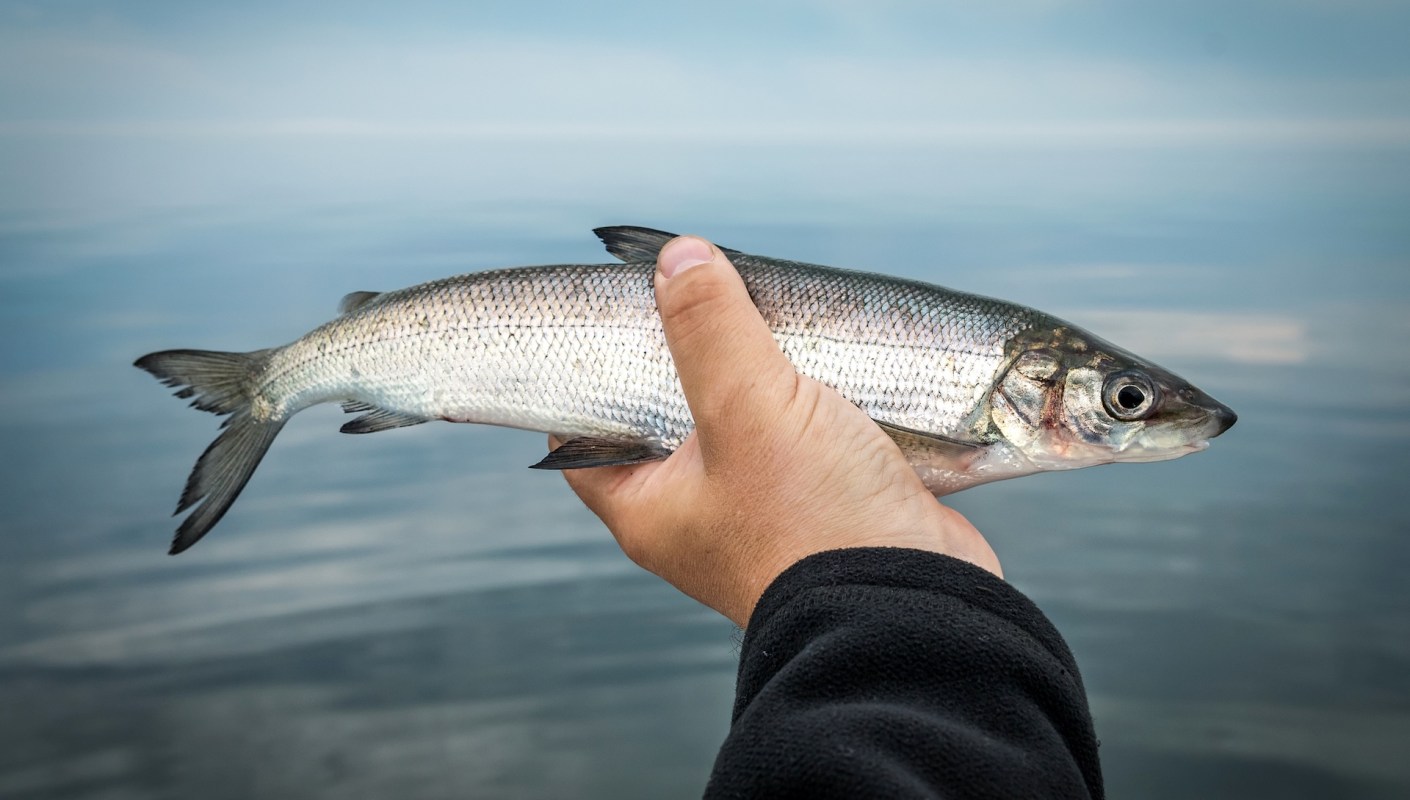
Scientists now say America's iconic whitefish may vanish from parts of the Great Lakes within the next five years.
That warning, which some biologists have described as a "crisis," centers on a species that has long provided food for families, supported local businesses, and helped carry Indigenous traditions across the region.
What's happening?
Places with deep economic and cultural ties to whitefish are likely to feel the threat most sharply, including tribal fisheries and longtime commercial centers such as Sandusky, Ohio.
Unfortunately, invasive zebra and quagga mussels have upended the Great Lakes food web and driven the major decline in lake whitefish, according to the Guardian.
The mussels are not attacking whitefish directly. Instead, they feed on phytoplankton, tiny algae and bacteria that sustain both young whitefish and diporeia, a small shrimp-like crustacean that adult whitefish rely on for food, according to Bridge Michigan. Now, many fewer whitefish are able to survive into adulthood.
By the 1990s, people on Lake Erie had begun noticing that far fewer young whitefish were showing up. Since then, the problem has gotten worse.
TCD Picks » Quince Spotlight
💡These best-sellers from Quince deliver affordable, sustainable luxury for all




A western Lake Erie fish survey last year warned that, if the trend continues, the species could disappear from some Great Lakes areas within five years, according to Michigan Public Radio.
Why does it matter?
For Indigenous communities and commercial fishers, whitefish are both sustenance and income. William Ortiz of the Little Traverse Bay Bands of Odawa Indians told the Guardian that he has seen the decline himself since beginning commercial fishing in Lake Michigan in 2015.
Wildlife officials and scientists are desperately looking for ways to reduce mussel numbers and improve the odds for native species to recover.
One recent study found that freshwater drum, also called sheephead, consumed large numbers of zebra and quagga mussels in western Lake Erie from 2013 to 2023. This finding suggests the fish could help limit the invasive mussels in some places.
Agencies are also testing direct removal. The Guardian also reported that Ohio officials have placed large tarps over parts of the lakebed and pumped carbon dioxide beneath them to kill mussels.
They have also used high-pressure water jets to blast mussel colonies. Even so, widely applying those tactics across the Great Lakes would be expensive and difficult.

Get TCD's free newsletters for easy tips, smart advice, and a chance to earn $5,000 toward home upgrades. To see more stories like this one, change your Google preferences here.






