


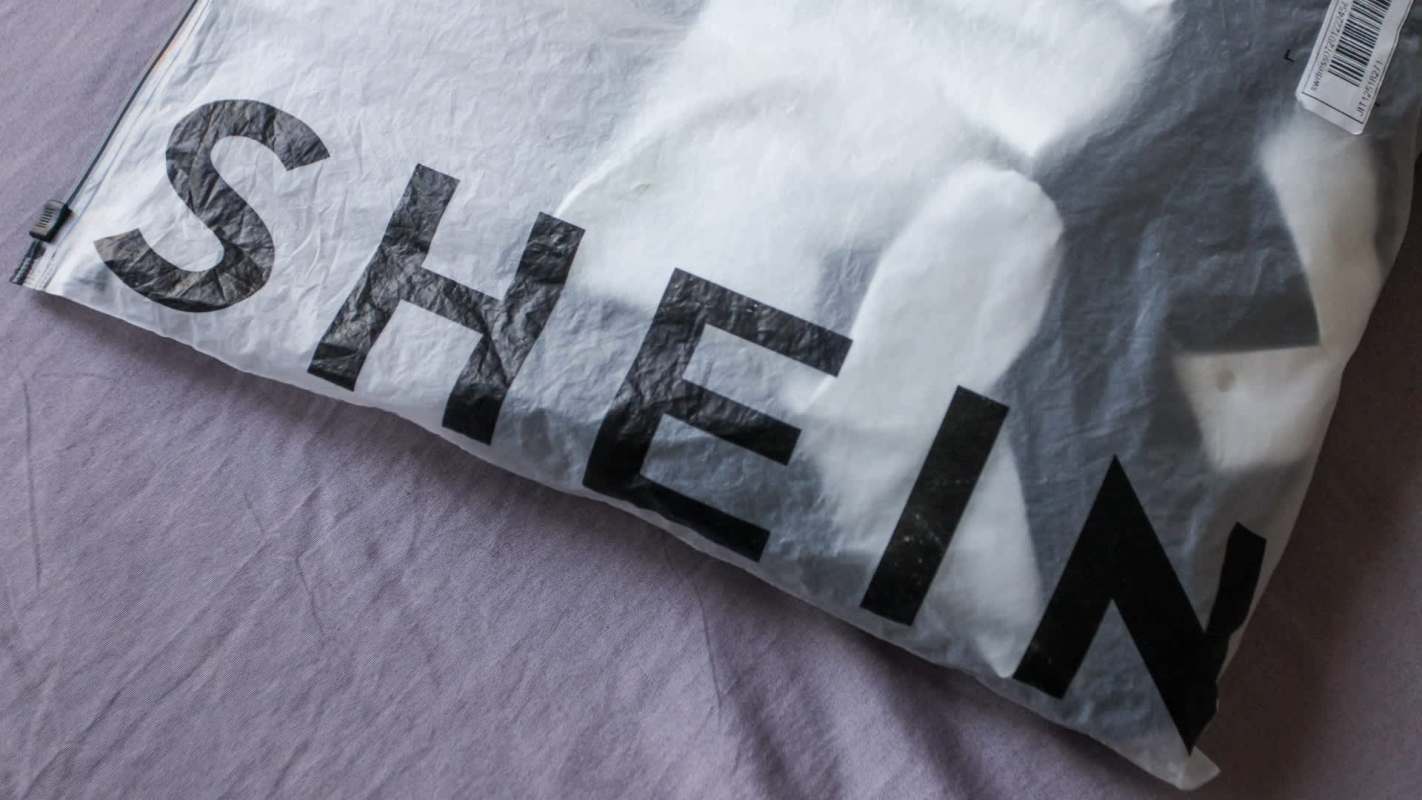
An online discussion about one parent's Temu and Shein shopping habit struck a nerve this week with people angry about homes full of low-quality goods that keep accumulating.
What's happening?
In a recent post on Reddit's r/AntiConsumption forum, the original poster said his mother has moved from one kind of overbuying to another and was now hoarding.
He wrote that "she has been the type of person with excess. 30+ subscriptions on Amazon … The house doesn't appear too cluttered because she's very organized, but if you really start peeling back the layers of the house and peeking into storage spaces, you see affluent, organized hoarding."
OP added, "After years of my dad stressing to her the financial concerns, she has finally pivoted. But instead towards [Temu] and Shein … She has an addiction to the scrolling, purchasing, and receiving process of shopping."
Luxury excess had given way to frequent orders from ultra-cheap shopping apps, and their home was now filling up with packages.
The concerned child's post highlighted what can happen when bargain shopping turns into a constant stream of cheap, unasked-for items that keeps accumulating.
TCD Picks » Quince Spotlight
💡These best-sellers from Quince deliver affordable, sustainable luxury for all




Many commenters responded to the post, saying that there may be a bigger issue than taste or shopping preferences. They pointed to concerns linked to companies such as Temu and Shein, including allegations involving sweatshop conditions and forced labor in supply chains, as well as growing alarm over toxic substances found in some ultra-cheap products.
However, some of the commenters' advice centered on boundaries rather than trying to win a family argument. They suggested that it could look like asking relatives not to send surprise purchases or setting expectations ahead of time so generosity does not automatically create more clutter.
Commenters also suggested having a simple plan for unwanted items. A dedicated donation box, for example, can ease stress, make cleanup more manageable, and help a household regain space without turning every delivery into a conflict.
Why does it matter?
A low sticker price does not always mean real savings. If something breaks fast, sits unused, or immediately becomes a disposal issue, the purchase can still amount to wasted money.
Sites built around extremely low prices can also make buying in bulk feel harmless in the moment, even when those purchases quickly turn into clutter.
Health concerns are part of the picture too. Reports involving lead, arsenic, and other contaminants in some inexpensive imported goods have made many shoppers more cautious, especially with products that regularly touch skin.
There is also the environmental side. Fast fashion and ultra-cheap home goods rely on high volume and quick turnover, which can mean more landfill waste, heavier resource use, and constant replacement of poorly made items. That cycle can feel both exhausting and unethical.

Get TCD's free newsletters for easy tips, smart advice, and a chance to earn $5,000 toward home upgrades. To see more stories like this one, change your Google preferences here.






