


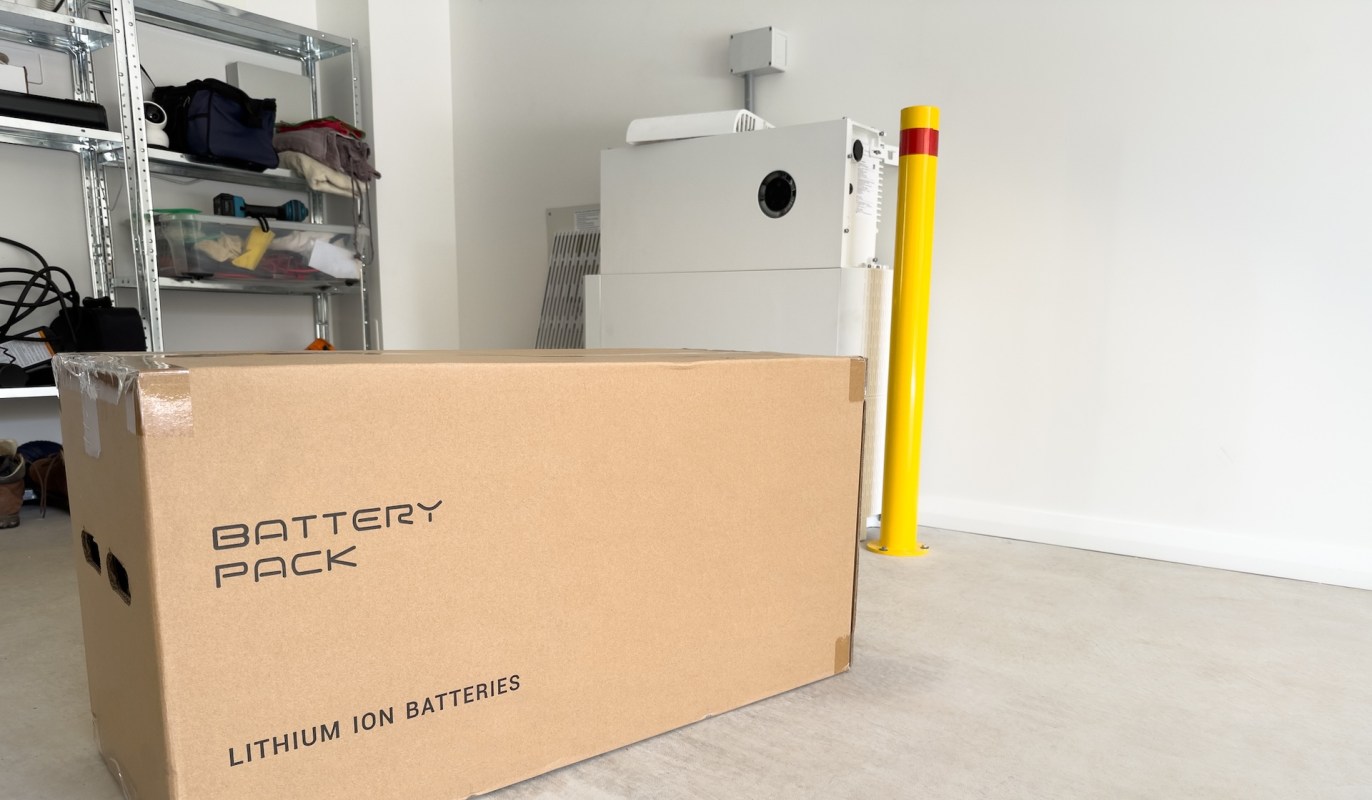
Nearly 500,000 Australian households have now installed subsidized batteries, marking a major step in the country's effort to expand home energy storage. The rise is giving families a larger role in the electricity system while letting them keep solar power for the times they need it most.
As those systems add up, Australia's home battery capacity has grown beyond the entire U.S. residential total, underscoring how quickly distributed clean energy can expand.
What happened?
New government figures show that Australia's Cheaper Home Batteries program had supported 487,000 home battery installations by late July 2026, according to Streamline Feed. Federal Energy Minister Chris Bowen said uptake is running at about 2,000 systems per day, a pace that would push the national total beyond 500,000 in August.
The federal target was one million installations by 2030. Reaching roughly half that mark in a little more than a year indicates households are embracing the technology much faster than initially expected.
Altogether, the systems now provide 13 gigawatt-hours of behind-the-meter storage, meaning the electricity is held in homes rather than at large centralized sites. Bowen said that total is now greater than both Australia's grid-scale storage capacity and the U.S. residential battery market's nine gigawatt-hours.
A big reason is Australia's exceptionally high use of rooftop solar. Instead of immediately sending all that daytime generation back to the grid, homeowners can save some of it for the evening, when electricity demand and prices often increase.
TCD Picks » Quince Spotlight
💡These best-sellers from Quince deliver affordable, sustainable luxury for all




Why does it matter?
For households, home batteries can cut reliance on costly evening power, improve the value of rooftop solar, and provide extra resilience when the grid is under pressure.
That can mean lower electricity bills, less exposure to peak pricing, and a better chance of keeping essential devices operating during outages or other disruptions. When many households do this at the same time, the benefits can extend beyond the home as well.
The fast-growing battery base is also changing how Australia's broader power system functions. Rather than depending only on large power stations and utility-scale storage, the country now has hundreds of thousands of homes that can act as small energy support points during periods of high demand.
That could lessen the need for fossil-fuel peaker plants, which are often brought online during evening spikes in electricity use. It may also show other sunny countries that household battery incentives can move faster than major utility buildouts.
What's being done?
Policy support has been the main catalyst so far. By reducing upfront costs, Australia's rebate program is making home batteries easier for households to buy, especially when the technology can deliver savings over time.
Grid operators also face pressure to upgrade the system. As more homes both store electricity and send power back out, utilities need better digital tools to manage two-way electricity flows and control voltage.
Combining rooftop solar with storage can bring both practical and financial benefits. A battery allows households to use more of the clean electricity they produce themselves instead of purchasing that power later at a higher rate.
A large pool of smaller batteries can deliver added flexibility faster than waiting years for giant centralized projects, helping communities respond to rising energy demand and a more electrified future.
Australia's battery boom suggests strong demand for tools that lower bills, increase energy independence, and support a more reliable grid. If the current pace continues, the country could soon reach a milestone that once looked years away — and provide a useful example for others hoping to do the same.

Get TCD's free newsletters for easy tips, smart advice, and a chance to earn $5,000 toward home upgrades. To see more stories like this one, change your Google preferences here.






