


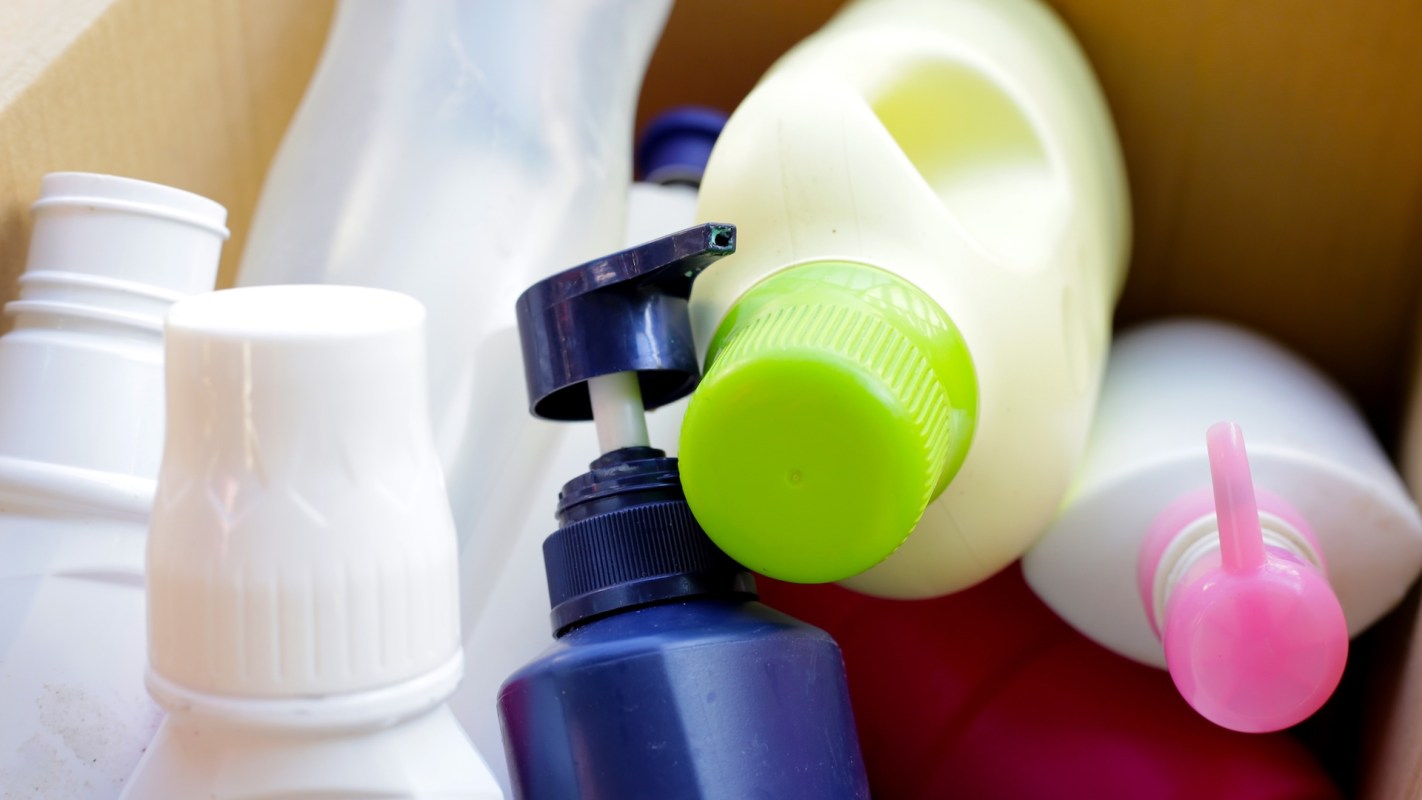
If you've stood over the sink trying to decide whether rinsing a shampoo bottle is worth the water, you're asking a question plenty of other people have asked too.
That exact everyday recycling dilemma recently came up on Reddit's r/Sustainability forum, where a commenter who said they work in recycling offered a largely reassuring answer.
What's happening?
A Reddit post titled "Cleaning out shampoo/body wash bottles" centered on a common household recycling question, whether rinsing containers before putting them in the recycling bin ends up "defeating the purpose."
In the conversation, people describing themselves as having recycling-industry experience said a full-scale cleaning job usually is not necessary. In general, they said, a brief rinse is fine, while scrubbing a bottle until it is spotless is overkill.
One commenter added, "I work in the recycling industry and I can share: the rinsing isn't the crucial step to making sure it gets recycled properly, but more so making sure it's as empty as possible and not heavy or weighed down by leftover liquid/gel inside."
Another wrote, "It's soap. They are more worried about food products that will draw insects and vermin."
TCD Picks » Quince Spotlight
💡These best-sellers from Quince deliver affordable, sustainable luxury for all




A third offered a clever tip for getting the extra product out, writing, "If you have one of those massage guns, use it on the side or bottom of the bottle to vibrate the contents out."
The main takeaway was that shampoo and body wash containers typically do not have to be perfectly clean to be recyclable. What matters more is that they are mostly emptied, without big globs of leftover product that might leak, create odors, or affect other materials during sorting and processing.
Commenters also emphasized that recycling rules are not identical everywhere. Items such as caps, pumps, and other mixed-material pieces may be handled differently depending on local guidance.
Why does it matter?
People make this kind of choice all the time, and uncertainty can push them in two unhelpful directions, either skipping recycling entirely or using more water and effort than necessary trying to clean them.
A short rinse generally takes much less water than a long wash, and it can still reduce the residue that makes recycling streams messier and harder to process. Emptying the bottle as fully as possible before rinsing also has another benefit, as it helps you get the last of the product you bought.
When shampoo or body wash is still clinging to the inside, some of it may still be usable instead of being discarded.
Over the course of a year, getting those final uses out of personal-care products can modestly reduce waste and slightly ease household spending.

Get TCD's free newsletters for easy tips, smart advice, and a chance to earn $5,000 toward home upgrades. To see more stories like this one, change your Google preferences here.






