


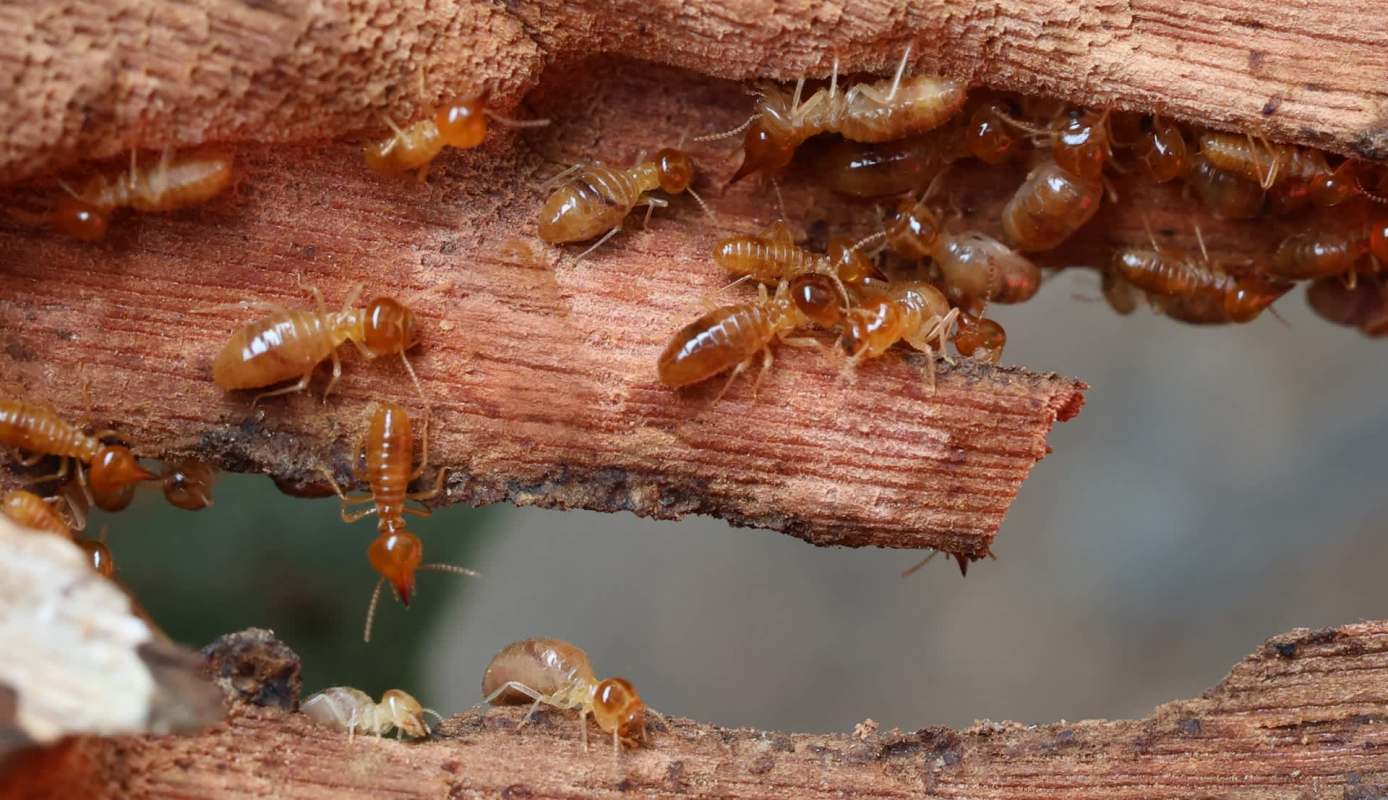
The word termite can send shivers down the spine of many homeowners, but for one Australian couple, a termite problem ended far worse than expected.
After years of damage and uncertainty, the Healesville home the couple had planned to keep as their "forever home" had to be torn down and rebuilt from scratch.
The story, as reported by the Eastern Melburnian, highlights how shifting weather patterns can worsen already costly risks for homeowners.
What happened?
Clare James and Mark Boulet bought their Healesville house in 2007, expecting it to be their long-term home.
The first signs of trouble appeared in 2019. Damage that was initially put down to dry rot was later found to be far more serious when new issues emerged. Another inspection showed termites had eaten through important structural parts of the house.
James said the deterioration was so severe that "Your fingers could just go straight through the paint, into the wood." After wall panels were taken off, she said, "They kind of rained out of the wall, like a waterfall."
TCD Picks » Quince Spotlight
💡These best-sellers from Quince deliver affordable, sustainable luxury for all




Before deciding what to do, the couple spent about a year gathering expert opinions and considering their options. They ultimately demolished the house in March 2023.
Their insurance did not cover termite damage, so they financed the rebuild by folding their existing mortgage into a new home loan.
Termites are part of the cockroach family and survive by eating cellulose found in plant material. Of the roughly 300 termite species in Australia, only about 20 are known to damage buildings, but a mature colony can still have hundreds of thousands of workers and eat around 1.8 ounces (50 grams) of wood per day.
Why does it matter?
According to local pest-control experts, warmer, wetter, and less predictable weather is making conditions more favorable for termites and extending the periods when they stay active.
Research supports that concern. A 2022 international study on termites and wood decay found that termites in 86°F (30°C) regions can consume wood seven times faster than those in 68°F (20°C) regions, while a 2024 CSIRO climate report described rising temperatures and changed rainfall patterns across Australia.
Bayswater Pest Control owner Mark Okur said rain after hot weather was "ideal for termites."
"Once it gets over 20 degrees (Celsius), that's when termites start becoming more active and the nest will naturally grow in numbers," Okur said.
What can I do?
James' experience also shows how costly a mistaken early assessment can be. If soft wood or apparent rot keeps spreading, getting a second opinion may help.
Stefan Barker, spokesperson for Tom's Pest Control, said suburban growth and milder winters have created "an environment where more termite colonies can establish and thrive." He added, "Traditionally, termite activity was more seasonal, with a noticeable slowdown during the colder months. However, over the past two years in particular, our team has continued to attend active termite jobs throughout every month of the year."
Homeowners can also lower their risk by arranging regular inspections, keeping wood or mulch away from exterior walls, and asking builders about termite-resistant materials and barriers.
It is also worth reviewing insurance policies closely, since termite damage may not be covered.
James and Boulet's rebuilt home now includes termite-resistant protections, but the ordeal still changed how they think about upkeep and prevention.
"I found it very distressing having the house knocked down," James said. "Termites are everywhere. They're an important creature to have in the environment, but you just don't want them in your house."

Get TCD's free newsletters for easy tips, smart advice, and a chance to earn $5,000 toward home upgrades. To see more stories like this one, change your Google preferences here.






