


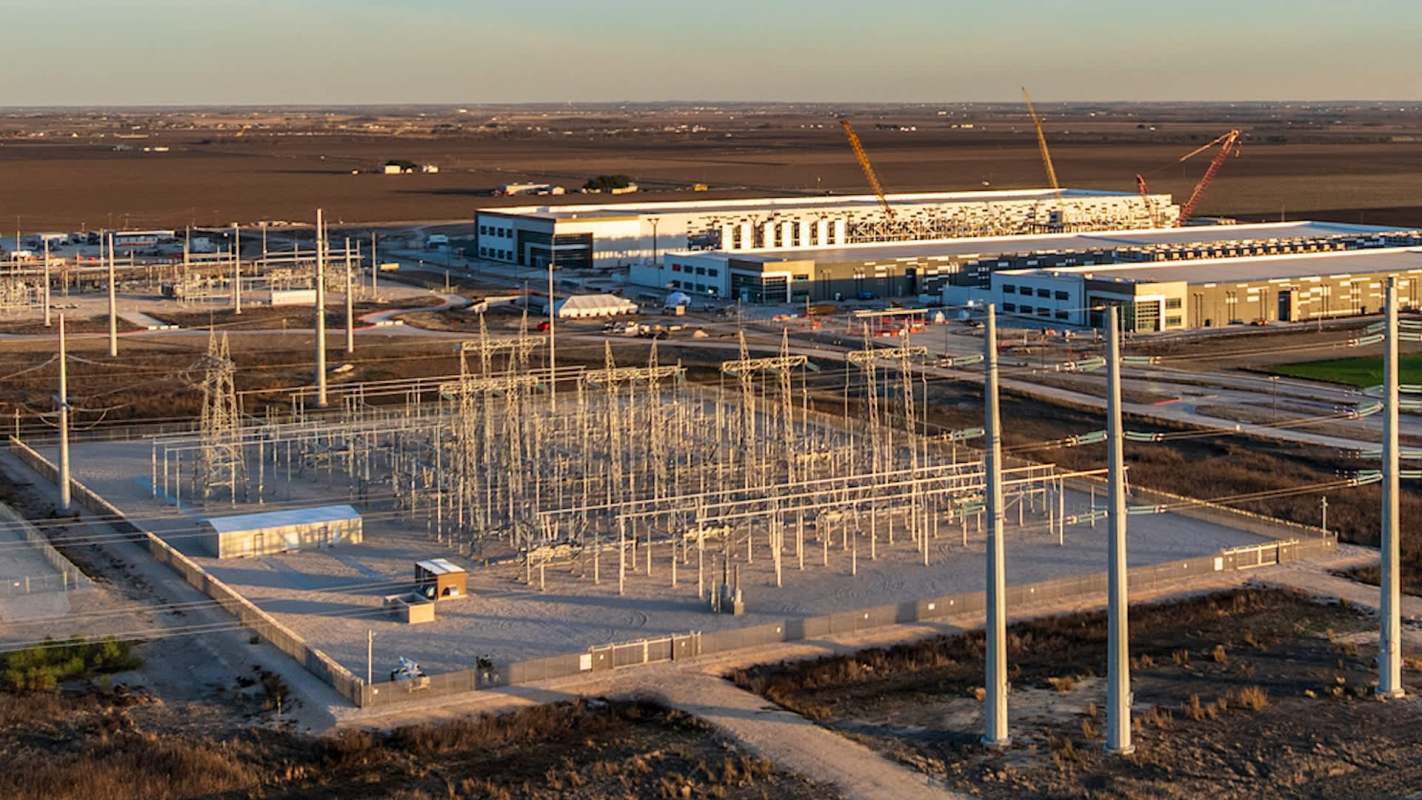
In Michigan, backlash is growing over large-scale data centers and the expenses tied to them. Now, the topic is becoming a bigger point of discussion as the state sees two Democratic Senate primary candidates with differing views on how the state will handle the AI boom.
What's happening?
According to Drop Site News, one of the sharpest flashpoints in Michigan's Democratic primary for U.S. Senate is whether AI-related data centers should keep expanding. In rural parts of the state, proposed facilities have led to protests, zoning fights, and noise lawsuits, while also stoking worries about land use, water consumption, and electricity prices.
A survey conducted by Emerson College, cited by Drop Site News, found that 55% of likely Michigan primary voters opposed data centers in or near their community in April, with only 27% showing support for the facilities. Among likely Democratic primary voters, opposition rose to 63%.
One candidate in the Democratic primary, Abdul El-Sayed, an epidemiologist and former Wayne County health director, has made opposition to new data centers a central part of his campaign against Rep. Haley Stevens.
"There's been so little transparency on the part of the corporations themselves and the part of the utilities," El-Sayed said, as reported by Drop Site News. "It has raised the hackles of folks who've learned not to trust a lot of these bigger corporations when they tell them everything's going to be okay."
Stevens, by contrast, has promoted data centers as engines for innovation and employment, while saying households should not be stuck with the added costs. In a statement to Barn Raiser, she said, "We cannot allow utility companies … to pass new costs onto consumers while these projects move forward."
TCD Picks » Quince Spotlight
💡These best-sellers from Quince deliver affordable, sustainable luxury for all




Why does it matter?
The debate matters because AI's growth is increasingly tied to basic utility infrastructure. Training and running these systems takes vast computing capacity, driving demand for power-intensive data centers, and cooling those facilities can use significant amounts of water.
Supporters say AI may aid cleaner energy, better grid operations, and faster industrial processes. At the same time, the buildup of data centers has prompted fears about rising electric bills, environmental pressures, security threats, and misuse.
A common concern in Michigan is that corporations will profit from the facilities while host communities absorb the costs. Drop Site News cited a Citizens Research Council of Michigan report saying most of the economic benefit from data centers for communities arrives during construction, not in the years that follow.
While there is potential upside for construction workers, labor organizations have not lined up on one side. United Auto Workers president Shawn Fain, as reported by Drop Site News, warned in April that, "Corporate power brokers today want us to believe that killing millions of jobs in the name of AI will be a good thing, and the working class knows better."
Some building-trades unions, however, view the projects as a source of union construction jobs.
Michigan state Rep. Dylan Wegela, who opposed data center tax incentives, said the controversy is drawing together groups that do not usually work in tandem.
"In areas that these data centers are coming to, you have these coalitions of people on the left and the right coming out to fight together against data centers," Wegela said, as the outlet reported.
El-Sayed has also outlined terms he says future projects should meet, Barn Raiser reported: guaranteed local jobs, community benefit agreements, and protections against higher consumer electricity rates. He has further endorsed stronger federal oversight and the idea of public ownership of AI companies.
As of the report, Drop Site News cited that backlash to AI facilities is growing nationwide. The Information, as the outlet reported, had identified more than 300 bans or moratoriums around the country.

Get TCD's free newsletters for easy tips, smart advice, and a chance to earn $5,000 toward home upgrades. To see more stories like this one, change your Google preferences here.






