


With beaches repeatedly shut down, a swimmer bitten over Fourth of July weekend, and headlines heightening concern, New York has officially entered its so-called "shark summer."
The jump in alerts may reflect increased surveillance as well as shark behavior, since officials can now detect animals near swimmers much faster than they once could.
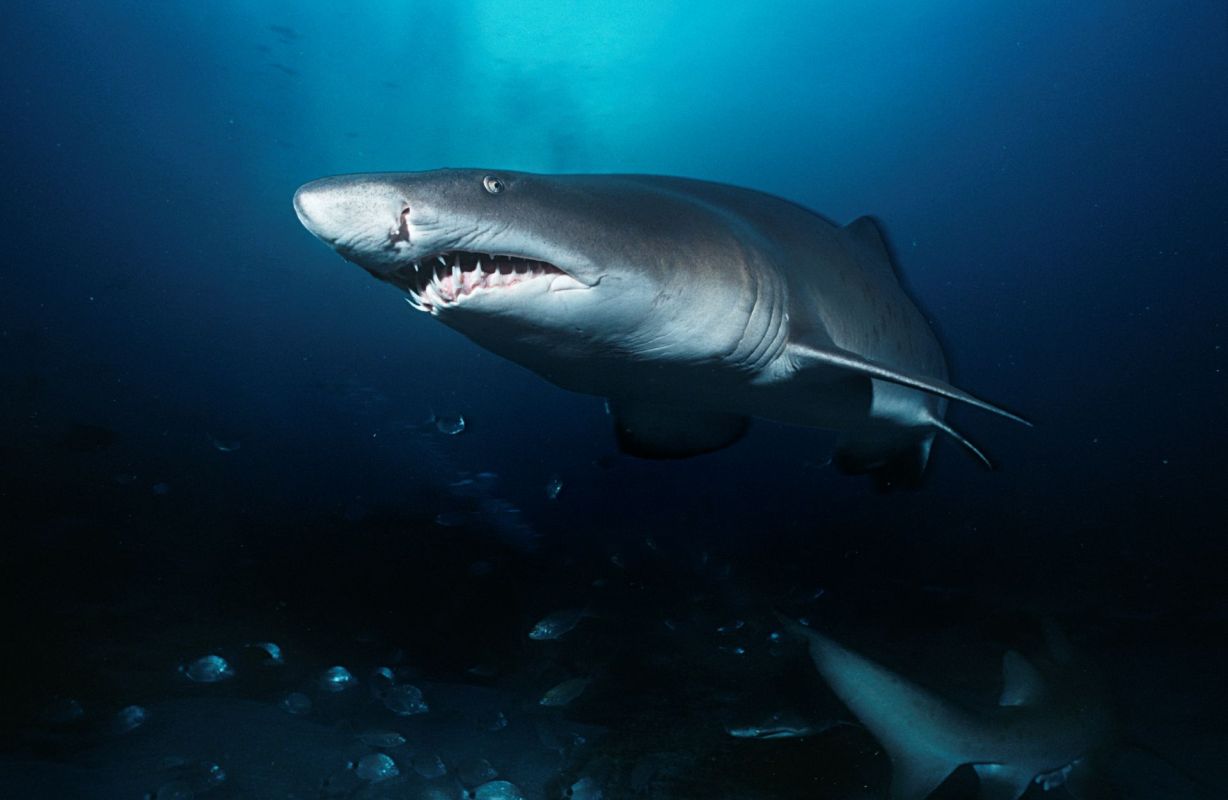
According to A-Z Animals, shark activity has led to 23 beach closures in New York this season, two-thirds of which occurred during the first five days of July. The outlet also reported that the early-month run began after a roughly 9-foot suspected sand tiger shark was reported on July 2.
Over the Fourth of July weekend, a swimmer at Jones Beach suffered non-life-threatening lacerations in a bite that was also likely caused by a sand tiger shark. Rockaway Beach, meanwhile, has faced repeated closures dating back to May.
The increase is happening during the area's regular shark migration season. A-Z Animals explained that from June through September, up to 13 shark species travel the Atlantic coast between Maine and Florida while following prey in warmer waters.
Due to a combination of factors, including climate change-fueled warmer ocean temperatures, a reduction in prey species, and pollution, these sharks may be a more common sight than in the past.
TCD Picks » Quince Spotlight
💡These best-sellers from Quince deliver affordable, sustainable luxury for all




However, A-Z Animals also noted the rising number of closures is tied to better surveillance, which helps officials spot sharks sooner and react faster. These measures include many more aerial options, like drones.
Years of cleaner-water policies and stronger fishing protections have also improved coastal habitats and helped prey species, like the Atlantic menhaden, to return. That, in turn, makes New York's nearshore waters more appealing to marine life, including sharks. And more shark activity can point to healthier ocean ecosystems.
At the same time, rising global temperatures are warming the Atlantic and allowing sharks to remain near New York's coastline longer than they did in earlier decades.
Taken together, the rise in sightings shows how people have reshaped the coast through both conservation efforts and planet-warming pollution.

Get TCD's free newsletters for easy tips, smart advice, and a chance to earn $5,000 toward home upgrades. To see more stories like this one, change your Google preferences here.






