


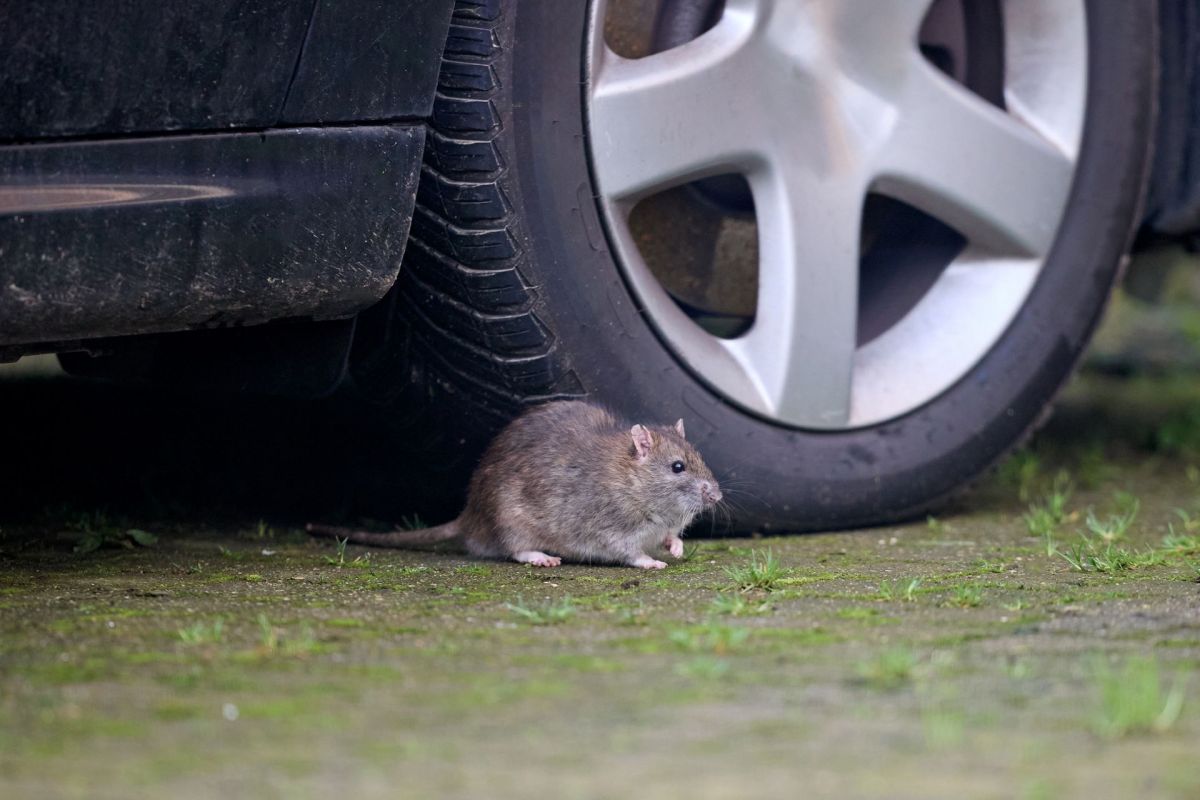
The latest victim of Washington, D.C.'s growing rat problem was an unsuspecting mother traveling to the capital.
A rat that got under the hood of the family's car during a holiday trip to Washington, D.C., left them with roughly $15,000 in damage after chewing through wiring.
The family later learned the animal had also given birth inside the vehicle.
What happened?
Anna Grabowski, a New Jersey mother traveling with her three young children, had come to the nation's capital over Presidents Day weekend and decided to use nearby street parking rather than spend $60 to leave the car at her hotel.
When she returned just 39 hours later, the vehicle would not start, and it was ultimately towed back to New Jersey.
Later, after opening the hood, the family found baby rats inside, Fox 5 DC reported.
TCD Picks » Quince Spotlight
💡These best-sellers from Quince deliver affordable, sustainable luxury for all




"When we opened the hood, there were three baby rats inside," Grabowski said.
Grabowski thinks the pregnant rat may have crawled into the car for warmth and protection from the winter cold, and mechanics told the station that this kind of vehicle damage is not especially uncommon.
At Malloy Ford, mechanic Micheal Harper told Fox 5 DC that rodents can be drawn to soy-based coatings used on some vehicle wiring.
"They're made out of soy, so rodents are attracted to the smell," Harper said. "It's basically a bean, and they like to eat it."
Why does it matter?
Rodent overpopulation can affect far more than trash bins and alleyways. As in this case, the damage to vehicle wiring can quickly run into the thousands of dollars, while families may be left without transportation as repairs are made.
Wildlife encounters are often shaped by human systems. Food waste, poorly contained trash, cluttered spaces, and warm parked vehicles can all create favorable conditions for rats to live close to people.
Surprisingly, even the materials used to make cars may attract a hungry rat.
The overlap between human behavior and animal survival is becoming increasingly visible in urban areas. This BBC Future explainer examines how human-built environments and habits can increase unwanted animal encounters.
The scale of the problem in Washington is significant. D.C. Health has logged more than 3,000 rodent burrows in the city.
What's being done?
City officials plan to expand rodent-control work this spring in the neighborhoods seeing the most activity, beginning in Adams Morgan.
Health officials told Fox 5 DC that the response includes baiting, tracking powder, and fertility control, with complaint records and burrow counts used to focus efforts on the areas with the densest infestations.
Officials are urging people, as Fox 5 DC reported, to seal trash, avoid leaving food outdoors, and clear clutter from alleyways, all of which can help reduce nesting opportunities.
In D.C., signs of burrowing can be reported to 3-1-1.
"It was cold, so maybe she chewed everything to make a nest. It was a lot of damage," Grabowski said.
Dr. Ayanna Bennett, director of the D.C. Department of Health, added, "We're using our data, complaints, and burrow counts to identify dense areas and address the rodent activity."

Get TCD's free newsletters for easy tips, smart advice, and a chance to earn $5,000 toward home upgrades. To see more stories like this one, change your Google preferences here.






