


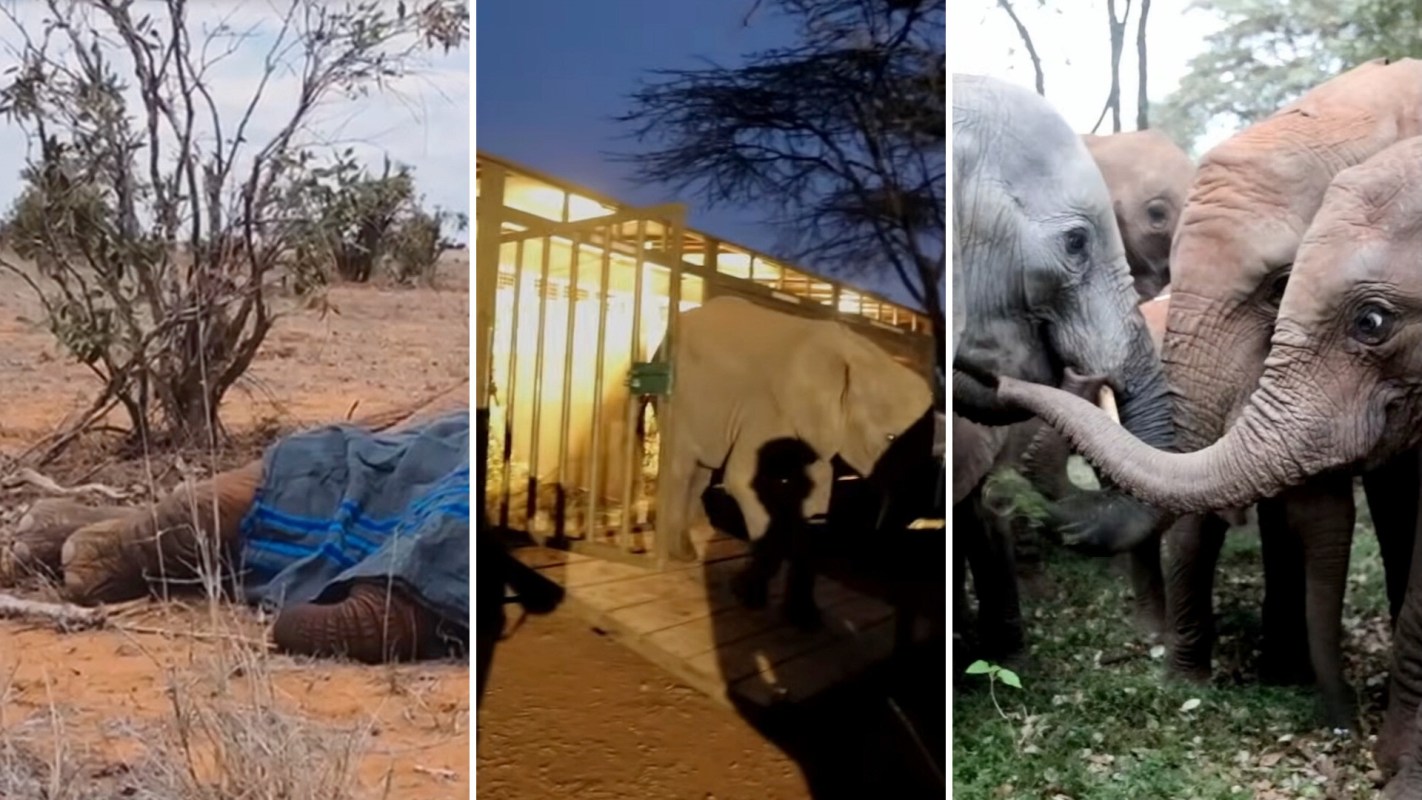
Online supporters are rallying around Kamili, a young elephant whose caretakers decided to move her back into closer care while they watch over her recovery.
Kamili, an orphaned elephant, is once again at the nursery — a sign that animal rehabilitation can require a return to more intensive support and that another chance at healing can matter enormously.
What's happening?
In a recent update, the Sheldrick Wildlife Trust (@SheldrickTrust) posted a video to YouTube showing Kamili back at the nursery and said: "In a precautionary measure, we made the decision to bring sweet Kamili back to the Nursery, so we can better monitor her health."
In the footage, Kamili is seen in the trust's care. The update did not identify a specific diagnosis, but it indicated that returning her to the nursery would let staff keep a closer eye on her and respond quickly if needed.
That kind of flexibility is often essential in wildlife rehabilitation, especially for orphaned animals that may need intensive support even after they appear to be making progress.
"Get well soon, Kamili!" one viewer commented. "We are with you in heart and spirit!"
TCD Picks » Quince Spotlight
💡These best-sellers from Quince deliver affordable, sustainable luxury for all




"Thank you Sheldrick Trust for taking care of her. I hope she's better really soon," another added.
Why does it matter?
Kamili's return to the nursery shows that conservation work often involves follow-up care, close monitoring, and a willingness to step in again when something seems off.
When wildlife organizations successfully rehabilitate young elephants and other vulnerable species, they help protect biodiversity and strengthen ecosystems that nearby communities also rely on. Healthy ecosystems can support water systems, tourism economies, and environmental stability.
People who follow rescue organizations often form strong emotional bonds with individual animals, and that connection can help inspire public support for conservation efforts.
One viewer wrote, "Oh, Kamili!! hope she is able to recover. I adopted her as a gift for someone last year; she was one of my first two Sheldrick and elephant adoptions ever. Please take good care of her. Keeping her in my thoughts."
What's being done?
Returning Kamili to the nursery gives caretakers a more controlled environment and more direct supervision. It also allows for more frequent observation and any care she may need.
By sharing the footage, the organization also gave supporters a window into the reality of rescue work. Recovery can involve precautionary choices, renewed intervention, and setbacks — not just happy endings.
Sending Kamili back to the nursery is a careful move meant to improve her chances with close monitoring, and supporters are expressing that same confidence, with one writing, "She's in the very best place she could ever be."

Get TCD's free newsletters for easy tips, smart advice, and a chance to earn $5,000 toward home upgrades. To see more stories like this one, change your Google preferences here.







