


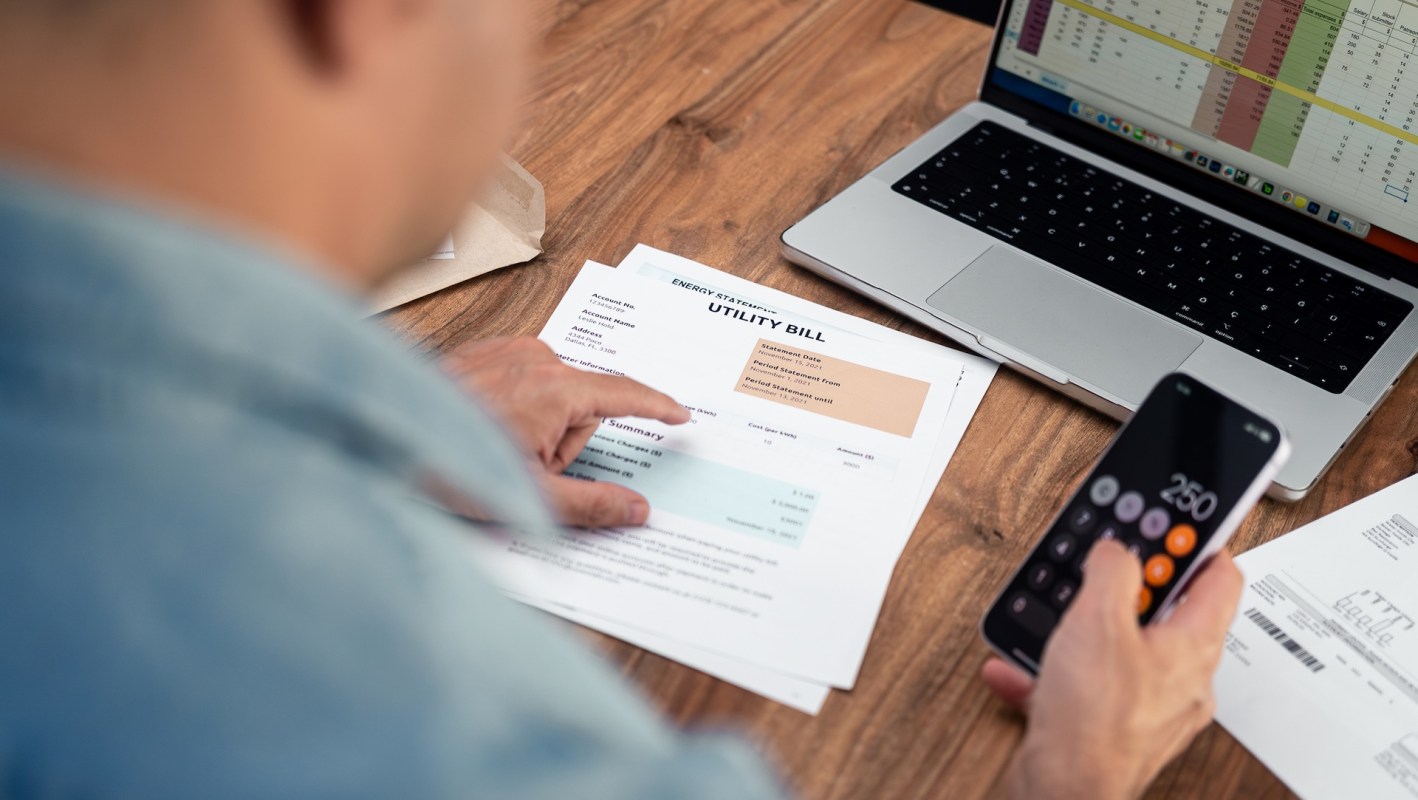
As of July 1, Virginia once again belongs to the Regional Greenhouse Gas Initiative, or RGGI, after more than two years away. Although the multistate carbon market adds a visible charge to electric bills, many households could still come out ahead overall.
What's happening?
The program places Virginia back in a shared carbon market with 11 Northeastern states, as Inside Climate News reported. Under RGGI, power plants must buy allowances tied to each ton of carbon pollution they emit, effectively putting a price on those emissions.
Virginia lets Dominion and Appalachian Power Company pass those allowance costs along to customers. A typical residential customer paid roughly $2.39 a month in 2022; that figure is projected to climb to around $13.
Allowance-sale revenue doesn't stay with the utilities; it goes back to the state. In Virginia, half of that money had been directed to energy-efficiency programs designed to help households use less electricity, creating a way to offset higher line-item charges with lower overall energy use.
Why does it matter?
Much of the argument over RGGI focuses on the extra monthly charge that shows up on bills, while supporters say the more important question is how the revenue is returned to consumers.
A Virginia Commonwealth University study found that homes with RGGI-backed upgrades could save roughly $676 annually on energy costs. For many households, gains from cutting wasted electricity could be much larger than the monthly fee.
TCD Picks » Quince Spotlight
💡These best-sellers from Quince deliver affordable, sustainable luxury for all




Putting a cost on carbon pollution also gives electricity producers a financial reason to generate power more cleanly and efficiently, which can reduce pollution over time. The broader issue is whether a state climate policy can lower emissions without increasing families' total costs.
What's being done?
Virginia changed how some RGGI money will be distributed through a budget amendment aimed at concerns over rising bills. That budget provision sends 45% of program revenue back as refunds to households and small businesses.
The refund is intended to provide more direct relief while still leaving room for efficiency spending that can lower energy use over time. Virginia's model could draw attention as an example of climate policy that both discourages pollution and more visibly returns money to consumers.
"Instead of having greater costs, residential and small commercial ratepayers will actually have their total electricity bill go down," one expert told Inside Climate News.

Get TCD's free newsletters for easy tips, smart advice, and a chance to earn $5,000 toward home upgrades. To see more stories like this one, change your Google preferences here.






