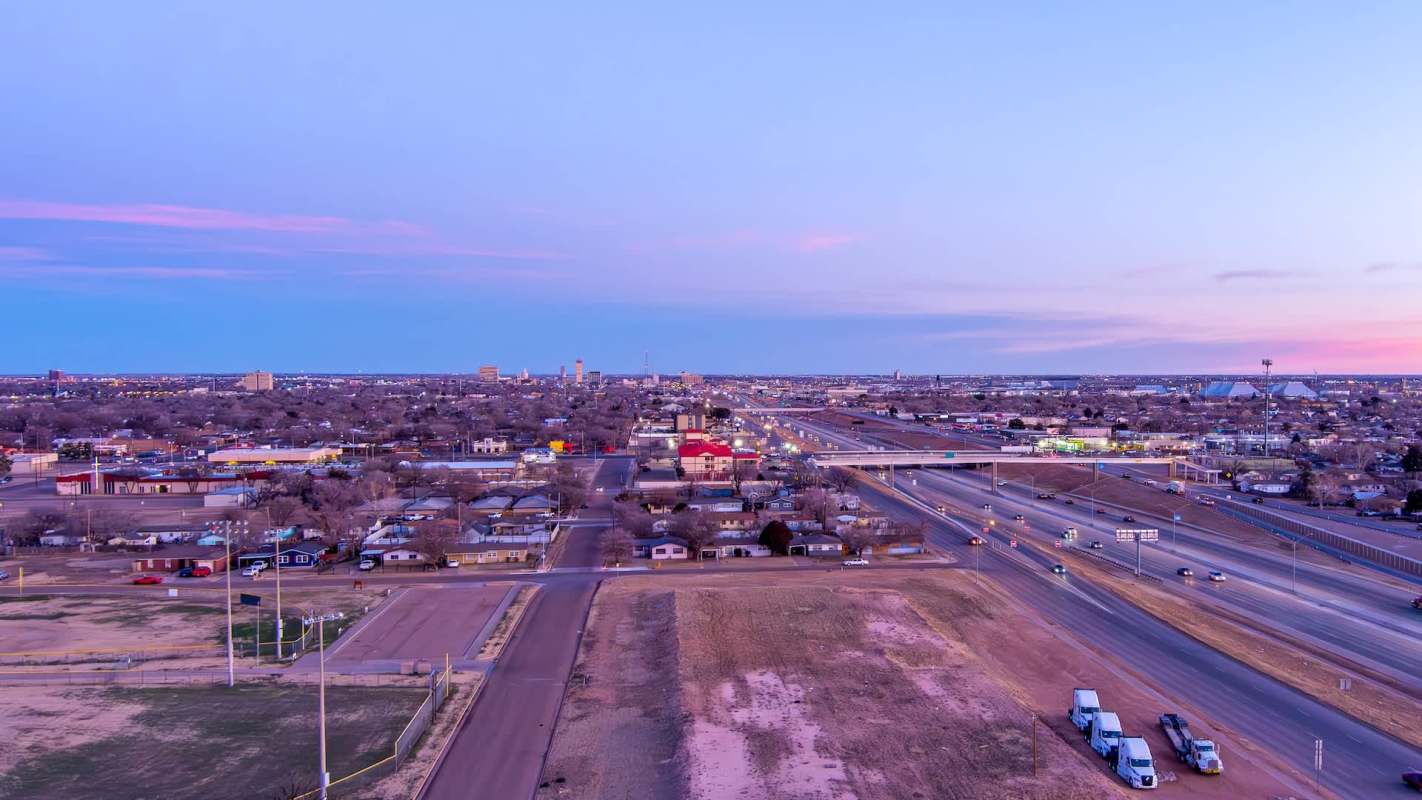
Two routine-looking property moves in Lubbock, Texas, have escalated into a broader dispute over how much input residents will have before energy-hungry data center development changes their city.
Residents reacted quickly and intensely, directing much of their anger at local officials.
What happened?
The Lubbock City Council on Tuesday approved two requests tied to the Lubbock Economic Development Alliance: annexing an 8-acre site near a rail line into the city and rezoning 52 nearby acres from single-family residential to industrial.
City leaders have not publicly said the land would be used for a data center, as The Texas Tribune reported.
Even so, many residents see the changes as a possible step toward linking a future industrial development, perhaps a hyperscale AI data center, to municipal utility lines.
Those fears shaped a heated council meeting. Before the vote, residents had already begun circulating a petition calling for an 18-month moratorium on data centers.
TCD Picks » Good Store Spotlight
Get 10% off your next purchase with code TCD10




Lubbock resident and community activist Phyllis Gant warned council members, "You can vote with us today, the people that voted and put you in place, or you can watch us do a recall."
LEDA President John Osborne pushed back on the idea that the land was well suited for that kind of project, saying the larger tract is better suited for manufacturing.
"While technically a data center could go on a property like this, it's not the highest and best use for that property," Osborne said.
Why does it matter?
The dispute goes beyond zoning designations. Residents have also raised questions about trust, transparency, and whether major industrial development could move forward before the public has a meaningful chance to weigh the possible effects on local resources and neighborhood character.
Data centers have become a source of conflict across Texas, where communities are asking how such facilities could affect water availability, power demand, and land use.
In Lubbock, residents have spent months attending city and county meetings, saying they feel ignored even as key decisions continue to move forward.
Petition organizer Stephen Sanders told council members, "If you approve this, tomorrow morning, I believe LEDA will take a permit out for a data center."
What's being done?
Organizers say the petition drive is still underway and has collected nearly 2,500 signatures.
If the council declines to adopt the moratorium proposal, it would trigger, supporters could try to place the issue on the November ballot, which could give voters direct authority over hyperscale data center development.
City officials and LEDA have sought to calm the concerns. Osborne later told the Tribune that the annexed tract is not being marketed to data centers and said, "We're trying to market it to manufacturers that need rail service."
Councilwoman Christy Martinez-Garcia, who voted against the zone change, also urged residents to keep engaging directly with elected officials.
Complicating that message, a local TV report later the same day disclosed a partnership between LEDA and CORVA for a 50,000-square-foot inference data center in East Lubbock.
Osborne said that project is unrelated and "not a done deal."
"We are still on the right path," Sanders said. "We will be able to stop those big massive hyper-scale projects, and that is a blessing."
Osborne, meanwhile, said, "While not every data center is a good project for Lubbock, there are projects that are out there that fulfill the needs of those that want additional properties on the tax rolls at significant amounts."

Get TCD's free newsletters for easy tips, smart advice, and a chance to earn $5,000 toward home upgrades. To see more stories like this one, change your Google preferences here.