


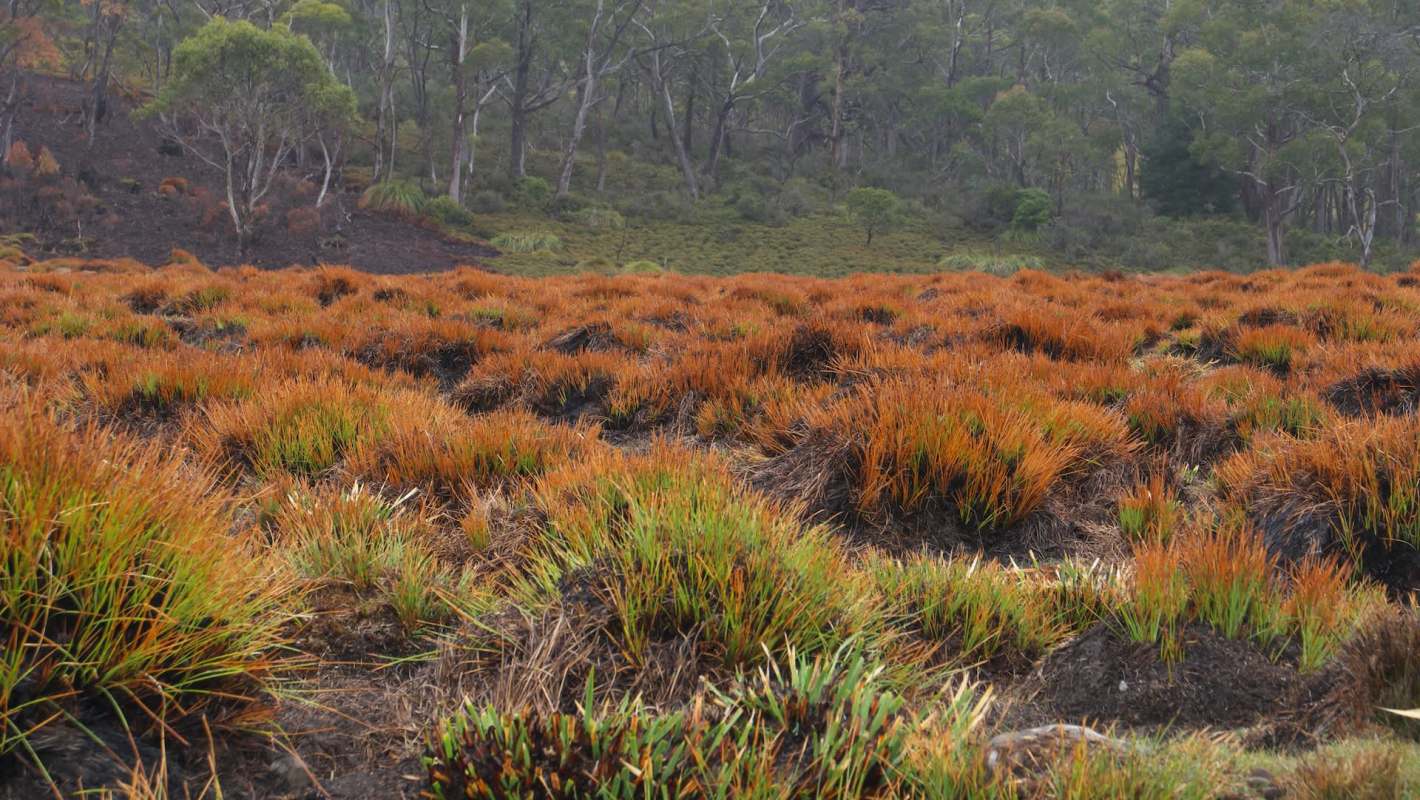
Fire plays two very different roles in Australia's peatlands, challenging the idea that all burning in these wetlands should be viewed the same way.
A blaze that reaches the peat can smolder out of sight for months, yet in some wetlands a carefully timed, low-intensity fire can help threatened species recover.
What's happening?
Peatlands are major carbon reservoirs. Formed over thousands of years as partially decayed plants build up in wet conditions, these ancient wetlands hold about one-third of the carbon stored in the world's soils, according to The Conversation.
Because of that, peat fires are a global threat. If peat dries and catches fire, it can keep burning below the surface for months or even years, damaging ecosystems, polluting the air, and releasing enormous amounts of stored carbon into the atmosphere.
In Australia, though, peatlands do not all respond to fire in the same way. The country has peatland ecosystems ranging from eastern alpine bogs to subtropical coastal swamps and Tasmania's buttongrass moorlands, and some of them are adapted to periodic burning.
Where that is the case, well-managed ecological fire can strengthen wetland ecosystems. In the Fleurieu Peninsula swamps of South Australia, managed cool burns have helped threatened species such as the Yundi guinea-flower and the southern emu-wren while also stimulating new plant growth.
TCD Picks » Quince Spotlight
💡These best-sellers from Quince deliver affordable, sustainable luxury for all




Why does it matter?
These wetlands do more than store carbon. They also support biodiversity and preserve habitat that wildlife and nearby communities rely on.
When peat burns out of control, the harm can last for generations. Underground fires are especially difficult for firefighters to stop, can spread smoke through surrounding areas, and may leave wetlands damaged for centuries.
Australia has already experienced that kind of event. In southwestern Western Australia, a peat fire burning beneath the surface continued for more than six months in 2024, becoming one of the state's longest-lasting fires despite record rainfall and sustained firefighting efforts.
At the same time, fire is not always destructive. If applied carefully, it can improve habitat, stop vegetation from becoming overly dense, and prompt the germination of plants that depend on fire to persist.
What's being done?
Instead of treating every peatland fire alike, land managers are putting more emphasis on using fire selectively. The priority is to keep flames in surface vegetation and prevent the peat underneath from drying out or igniting.
Ecological burning is one part of that strategy, and it has clear similarities to First Nations cultural burning. The Conversation noted that historical charcoal and pollen evidence suggests First Nations communities were using fire in parts of the Fleurieu Peninsula wetlands before European settlement.
Researchers also say more study is needed to identify which peatlands can safely benefit from controlled burns and which are too fragile. Factors such as peat depth, moisture, vegetation, and earlier fire patterns all affect whether a burn aids recovery or drives further damage.
That means peatland conservation is also a climate-resilience issue. Protecting these wetlands, learning from Indigenous land knowledge, and supporting science-based fire management can help lower risks to biodiversity, air quality, and people living near fire-prone landscapes.

Get TCD's free newsletters for easy tips, smart advice, and a chance to earn $5,000 toward home upgrades. To see more stories like this one, change your Google preferences here.






