


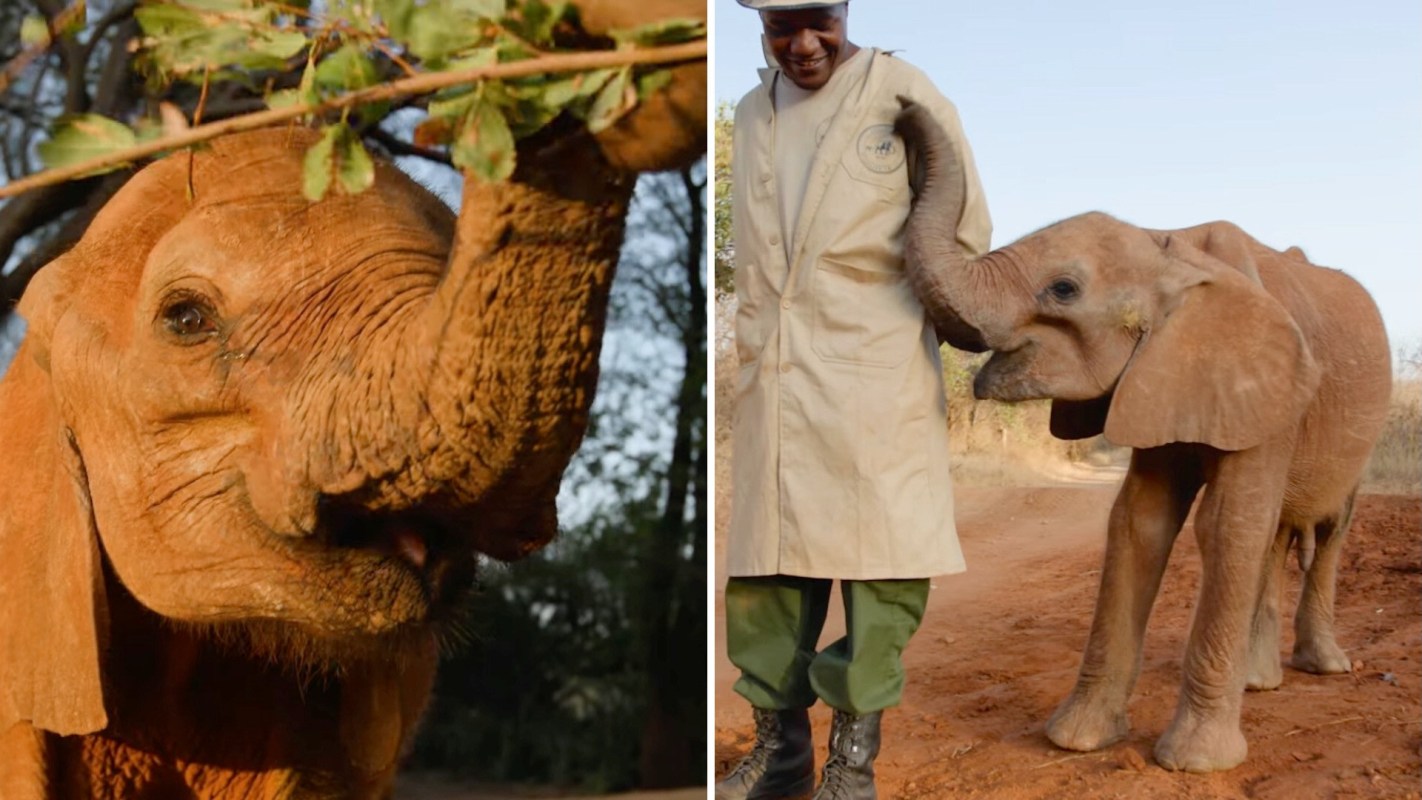
After surviving alone in the Kenyan bush for weeks, enduring severe storms and even a lion attack, an orphaned elephant calf named Bungalu is finally safe.
New rescue footage is giving animal lovers a closer look at just how fragile — and hopeful — wildlife rehabilitation can be.
What happened?
In a YouTube video shared by the Kenya-based wildlife rescue organization Sheldrick Wildlife Trust, Bungalu is introduced as "a special little elephant who survived a true odyssey to be here today — weeks on his own, dodging storms of epic proportions and even a lion attack."
Shot at the trust's Nairobi nursery, the video follows Bungalu shortly after his rescue as he begins to recover. For an elephant as young as Bungalu, lasting that long on his own meant being cut off from the protection of a herd.
In the video, he can be seen enjoying his time rehabilitating, playing with caretakers and other elephants, and of course, enjoying some bottle feeding.
The Nairobi nursery Bungalu is staying at is designed to stabilize orphaned elephants and provide the intensive care they need after trauma. That can include constant monitoring, specialized feeding, medical attention, and the comfort of other rescued calves.
TCD Picks » Quince Spotlight
💡These best-sellers from Quince deliver affordable, sustainable luxury for all




One commenter responded to the footage, writing: "Bungalu is a very lucky and brave elephant to have survived being alone in the bush for so long."
Another YouTube user said: "Thank you for saving him. I am glad to see he found friends."
Another thanked "everyone at SWT who were involved in his rescue, including the two Maasai men from the local community who eventually captured him after a long search."
Why does it matter?
Young elephants are highly dependent on their mothers and family groups. Without that support, they face serious risks from predators, injury, hunger, dehydration, and exposure. Bungalu's survival is extraordinary, but the window for rescuers to step in can be small.
Elephants play an important role in the ecosystems around them, helping shape landscapes and support biodiversity. Protecting them can also benefit communities that depend on healthy wildlife populations, whether through conservation jobs, local stewardship, or tourism tied to thriving natural areas.
Rescue efforts depend on people spotting animals in distress, searching difficult terrain, and providing hands-on care afterward. That collaboration between wildlife professionals and local communities is a key part of conservation work.

Get TCD's free newsletters for easy tips, smart advice, and a chance to earn $5,000 toward home upgrades. To see more stories like this one, change your Google preferences here.







