


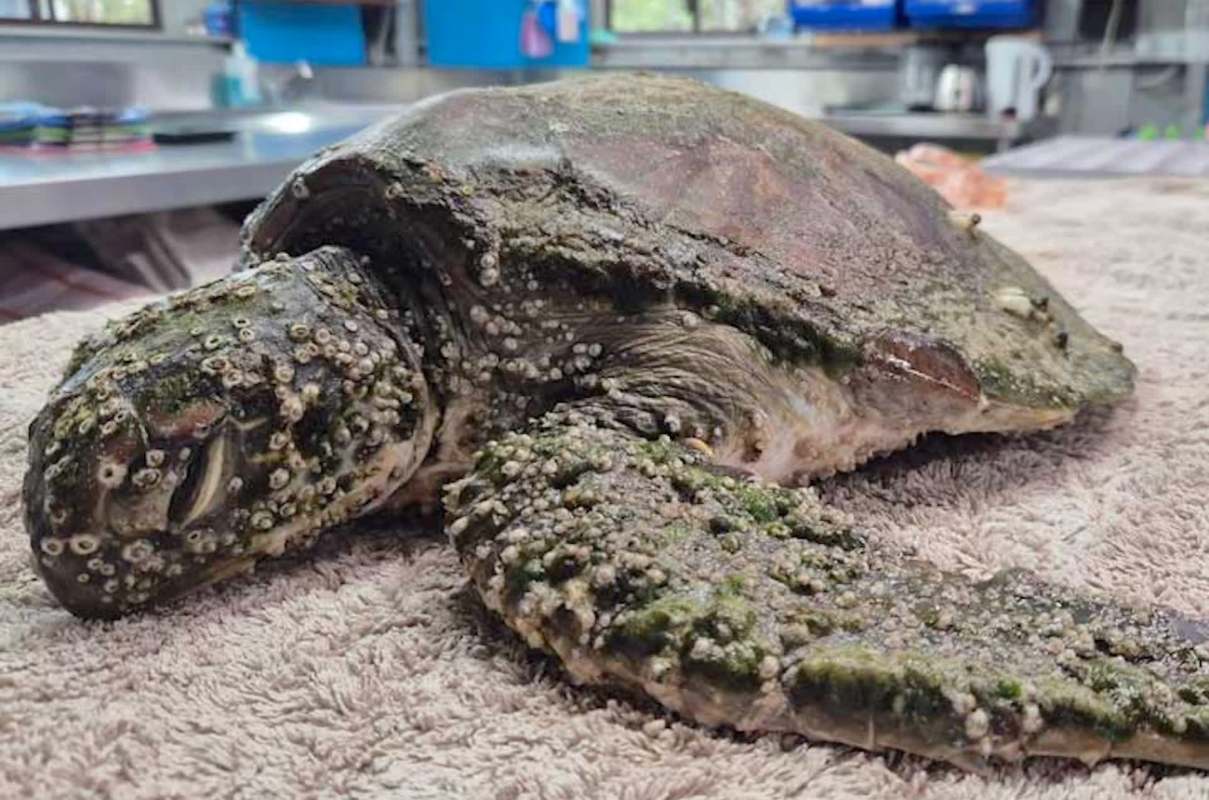
A green sea turtle stranded on an Australian beach last year appeared unlikely to pull through when rescuers found her.
Six months later, though, the turtle — named Kalani — had recovered enough that rescuers began preparing for her release back into the ocean with four other rehabilitated turtles.
With this year's sea turtle nests in the United States having suffered devastating losses from Tropical Storm Bertha, Kalani's story stands as a symbol of hope in the face of adversity.
What happened?
According to Good Good Good, the rescue started in January 2025 when someone walking Lennox Head Beach in New South Wales noticed the adult green sea turtle and called for help. Marine biologists from Australian Seabird & Turtle Rescue responded and brought Kalani into their care after finding her in very poor condition.
"She was lethargic, underweight, and covered in a heavy epibiota load, a clear sign she'd been unwell for some time," ASTR said in a Facebook post.
Kalani was moved to Byron Bay Wildlife Hospital after an initial assessment. There, veterinarians identified a cut on her left hind flipper, possible renal failure, and the thick covering of marine organisms including algae, barnacles, and leeches.
TCD Picks » Quince Spotlight
💡These best-sellers from Quince deliver affordable, sustainable luxury for all




Staff spent months removing that buildup, giving her medication, and watching her progress closely. "Over the past six months, she's continued to improve and is now thriving in our pre-release tank, strong, spirited, and very much the boss of the space," ASTR said.
Her release came in September, when Kalani returned to the ocean alongside Bumble Bee, Vegas, Ugg, and India. As the rescue team put it, "Every release is a true celebration."
Why does it matter?
Healthy sea turtle populations help maintain balanced coastal ecosystems, which can benefit communities that rely on those waters for recreation, tourism, and local identity.
Kalani's recovery shows how quickly a health issue can spiral for wild animals. Sea turtles can remove epibiota on their own, but when they are sick or injured, the added weight can make swimming and survival difficult.
Green sea turtles already face growing threats from the changing climate, pollution, and fishing-related injuries. When marine habitats are damaged, turtles can become more vulnerable to illness, making recovery less likely without intervention.
What's being done?
Kalani's recovery depended on several forms of direct support: a quick rescue response, veterinary care, extended monitoring, and a protected space. Local action can protect wildlife while strengthening the natural systems people depend on.
"It's been amazing to watch her defy the odds," ASTR assistant general manager Amanda Philp told The Dodo. "She's now healthy and truly flourishing."

Get TCD's free newsletters for easy tips, smart advice, and a chance to earn $5,000 toward home upgrades. To see more stories like this one, change your Google preferences here.







