


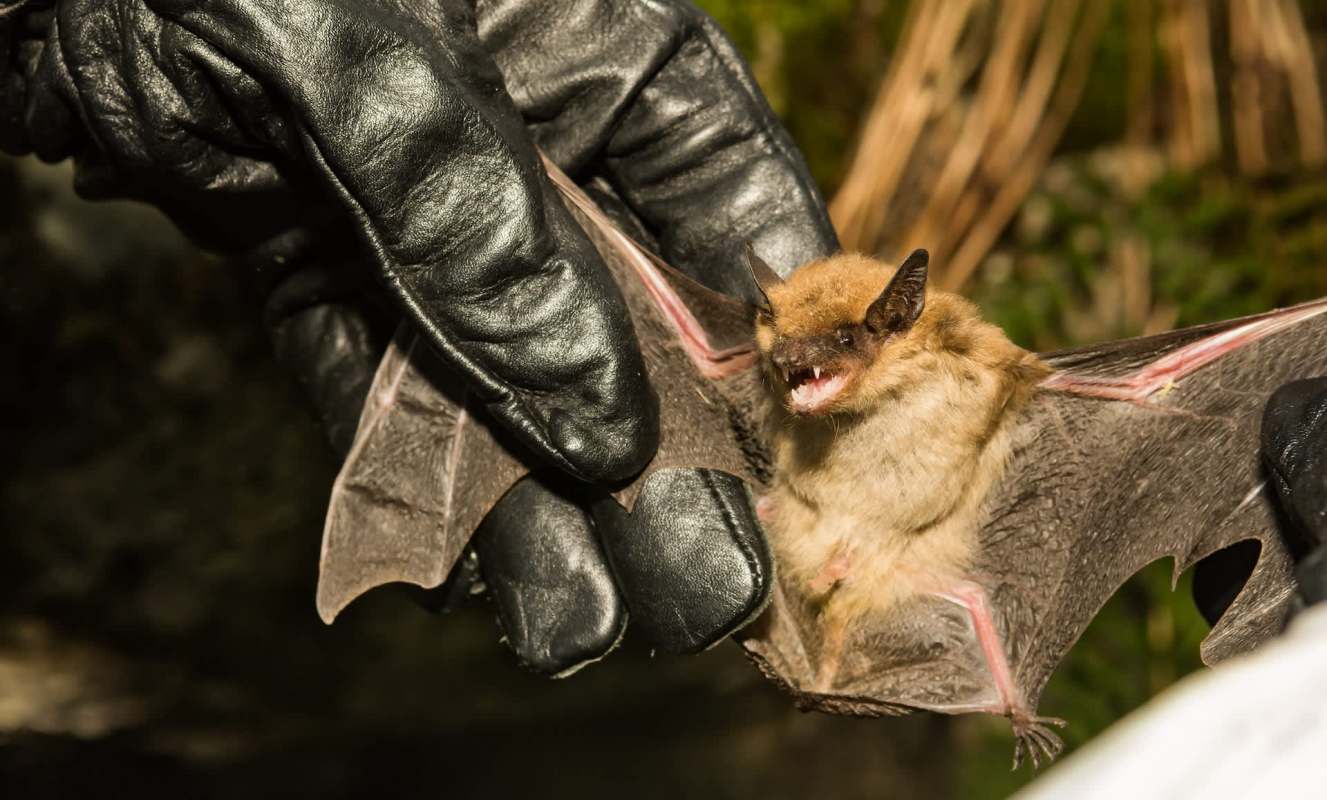
A rabid bat found in the attic of a New Jersey home is alarming residents, showing that even ordinary household spaces can become unexpected points of contact among people, pets, and wildlife.
Officials thankfully said no people were exposed, but the household's three cats now face a weeks-long monitoring period after encountering the infected bat inside the home.
What happened?
According to reporting from The Philadelphia Inquirer, testing later showed that a bat removed from the attic of the Haddonfield home on April 18 had rabies.
After it was taken from the house without incident, the animal was sent to Trenton for testing.
"There were no human exposures. Three cats were exposed to the bat," the county health department said in a press notice.
The department also explained that "Rabies is a serious illness, but it can be prevented by early treatment after exposure. If you have been bitten or scratched by a wild animal, it is important that you seek immediate medical attention."
TCD Picks » Quince Spotlight
💡These best-sellers from Quince deliver affordable, sustainable luxury for all




Officials said the cats had already been vaccinated against rabies, so they were given booster shots and will now stay confined for a 45-day observation period.
Rabies in animals remains a recurring issue across New Jersey, which recorded 174 cases last year and 26 more by the end of March this year, per the Inquirer. Human infections are much less common, with the last known rabies case contracted in the Garden State being reported in 1997.
Why does it matter?
Rabies is one of the most serious diseases that people and pets can contract from wildlife, even though human infections are uncommon.
Once symptoms begin, the illness is almost always fatal.
As BBC Future has reported, increased overlap between human spaces and wildlife habitat can raise the odds of these encounters.
Homeowners can reduce the chances of indoor encounters by sealing openings around roofs, vents, and eaves, and by calling animal control or wildlife professionals rather than trying to handle a bat or other wild animal themselves.

Get TCD's free newsletters for easy tips, smart advice, and a chance to earn $5,000 toward home upgrades. To see more stories like this one, change your Google preferences here.






