


What began as a Florida honeymoon centered on paddling and time in the sun has turned into a long-term health emergency. After a snake bit David Linton during a kayaking trip, he was left facing severe lung disease and the need for a double lung transplant.
What happened?
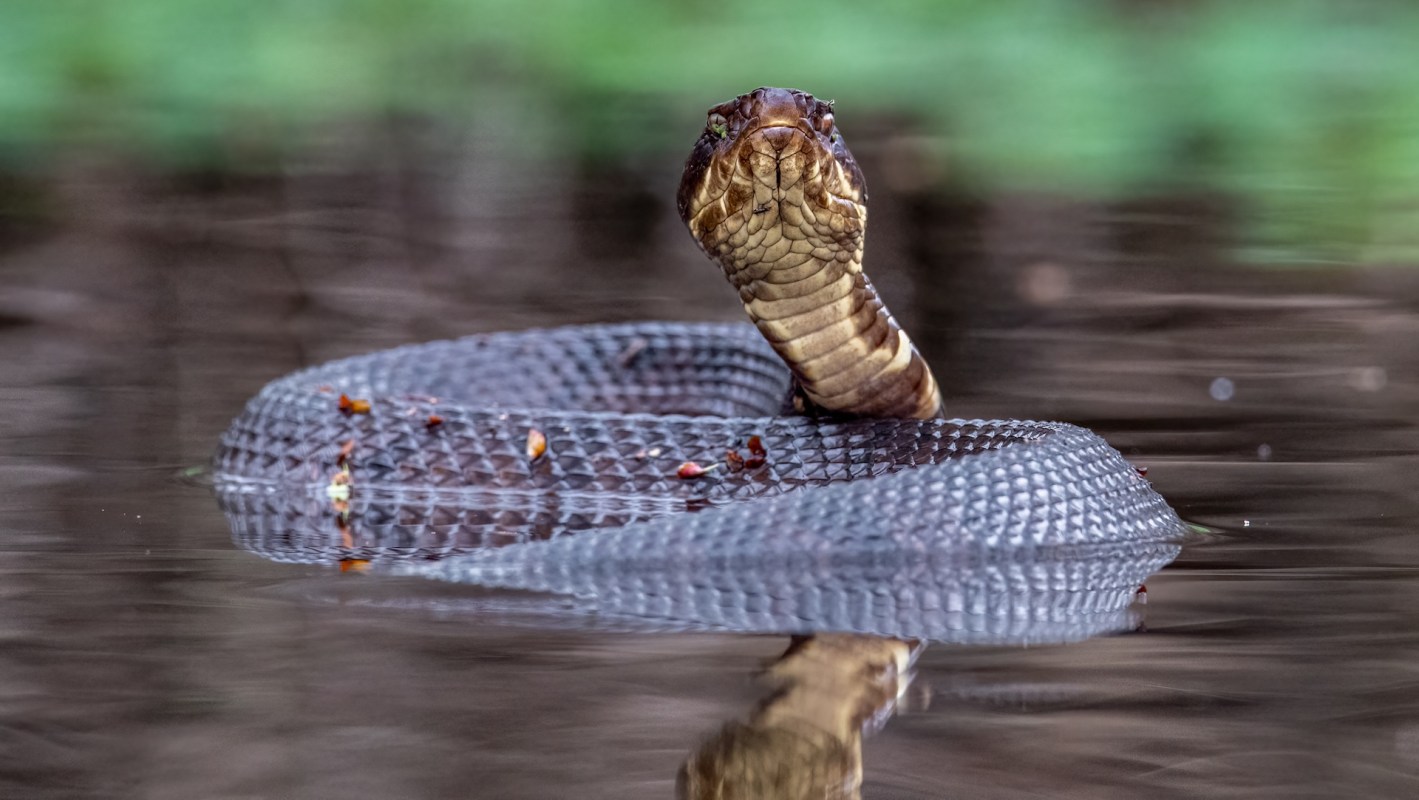
After marrying on Redington Beach in 2024, Sharyn Linton and David Linton headed to Floral City for their honeymoon, People reported. A kayaking trip there took a sudden turn when David was bitten by a cottonmouth.
Sharyn recalled the moment: "When I saw him jump 10 feet in the air -- 'Oh my gosh, oh my gosh, something just got me!'"
The danger proved far greater than the newlyweds initially realized. Doctors later diagnosed David with stage four pulmonary fibrosis, a late-stage lung disease, and he now depends on both oxygen and a breathing machine all day and all night.
Joseph Finley, a nurse practitioner licensed to keep venomous snakes, said cases like David's seem to be rare. He explained to People that after a venomous bite, the body's breakdown of damaged muscle can produce substances that may, in some instances, harm organs over time.
Why does it matter?
Humans are increasingly sharing space with wildlife, especially in places where outdoor recreation, tourism, and development overlap with natural habitat, as BBC Future has reported.
TCD Picks » Quince Spotlight
💡These best-sellers from Quince deliver affordable, sustainable luxury for all




That does not mean the snake was acting aggressively without cause. Cottonmouths are native to Florida and play a role in the local ecosystem. But kayaking through wetland areas, especially in warm-weather states where waterways are heavily used by people, can raise the odds of a defensive encounter.
David said a double lung transplant is the only treatment available to him, but the couple says their insurance does not cover that operation.
What's being done?
For now, David is focused on staying alive and stable enough for the transplant he needs. He uses constant oxygen support and a breathing machine 24/7 as he and Sharyn navigate the medical and insurance challenges ahead.
For anyone spending time outdoors in snake habitat, staying alert near marshes and waterways, giving snakes space, avoiding tall grass or brush at launch points, and wearing protective footwear when possible can help reduce the risk.
If a bite does happen, experts generally advise against folk remedies and recommend getting emergency help immediately, especially when venomous species may be involved.

Get TCD's free newsletters for easy tips, smart advice, and a chance to earn $5,000 toward home upgrades. To see more stories like this one, change your Google preferences here.







