


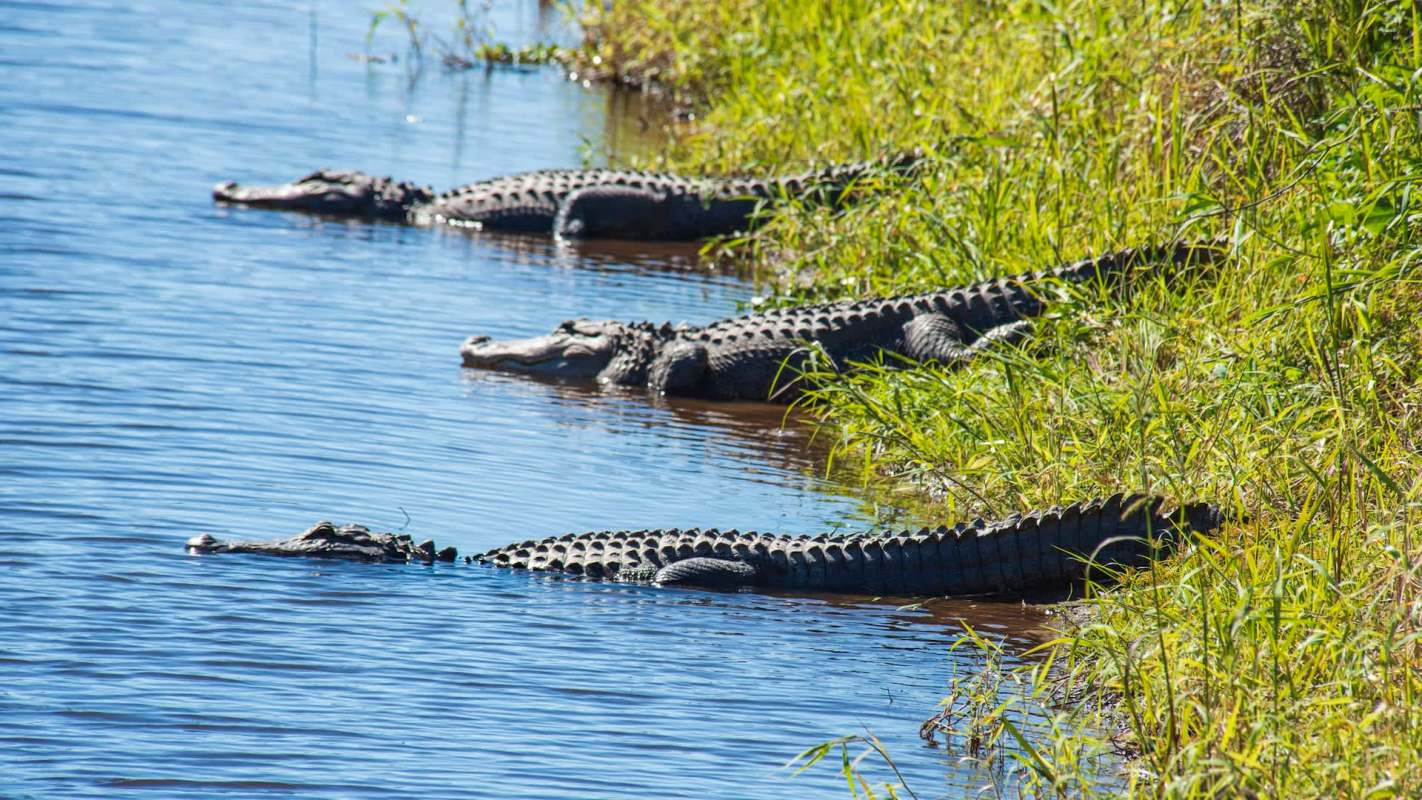
Florida's vast network of canals, retention ponds, and neighborhood lakes has created an unexpected travel system for one of the state's oldest residents, the alligator.
As a result, more people in South Florida are finding themselves sharing spaces with large reptiles that were there long before subdivisions and manicured shorelines took over.
What's happening?
Wildlife experts in South Florida say the increase in alligator encounters has as much to do with the landscape people have built as it does with the animals themselves.
The Miami Herald is reporting that as development pushes farther into the Everglades and manmade waterways spread, gators have more routes into urban and suburban areas.
Frank Mazzotti, a professor in wildlife ecology at the University of Florida, said people often frame these incidents as if the animals are solely to blame, even though humans built over their habitat.
Mazzotti, sometimes referred to as a "croc doc," told the Herald that, "We tend to look at all of this in terms of the alligators, something that the alligators are doing, the alligators are at fault, but we have just gone right out and built right in the middle of where they used to live."
TCD Picks » Quince Spotlight
💡These best-sellers from Quince deliver affordable, sustainable luxury for all




Three alligator attacks have already occurred in Central Florida this year, including a fatal attack on a woman who was swimming with friends. And in South Florida, officials logged 64 alligator-removal calls in Miami-Dade County and 221 in Broward County this year through July, per the Herald.
Todd Hardwick, one wildlife trapper with Pesky Critters, explained to the outlet that the region's canals operate as a ready-made transit system for the reptiles: "I've been calling our canal system the alligator turnpike for years."
Why does it matter?
The broader concern is that housing growth keeps colliding with wildlife habitat. Canals, artificial lakes, and stormwater ponds may look tame to residents, but they can still provide alligators with food, shelter, and ways to move from one area to another.
That overlap can raise the danger for both people and pets when neighborhood shorelines are treated as safer than obviously wild waters.
Experts also say people can make the problem worse by feeding or enticing alligators. The human role in wildlife conflict is part of a broader pattern researchers have identified in various animal attacks and encounters, including in this BBC analysis of how human behavior often contributes to these events.

Get TCD's free newsletters for easy tips, smart advice, and a chance to earn $5,000 toward home upgrades. To see more stories like this one, change your Google preferences here.







