


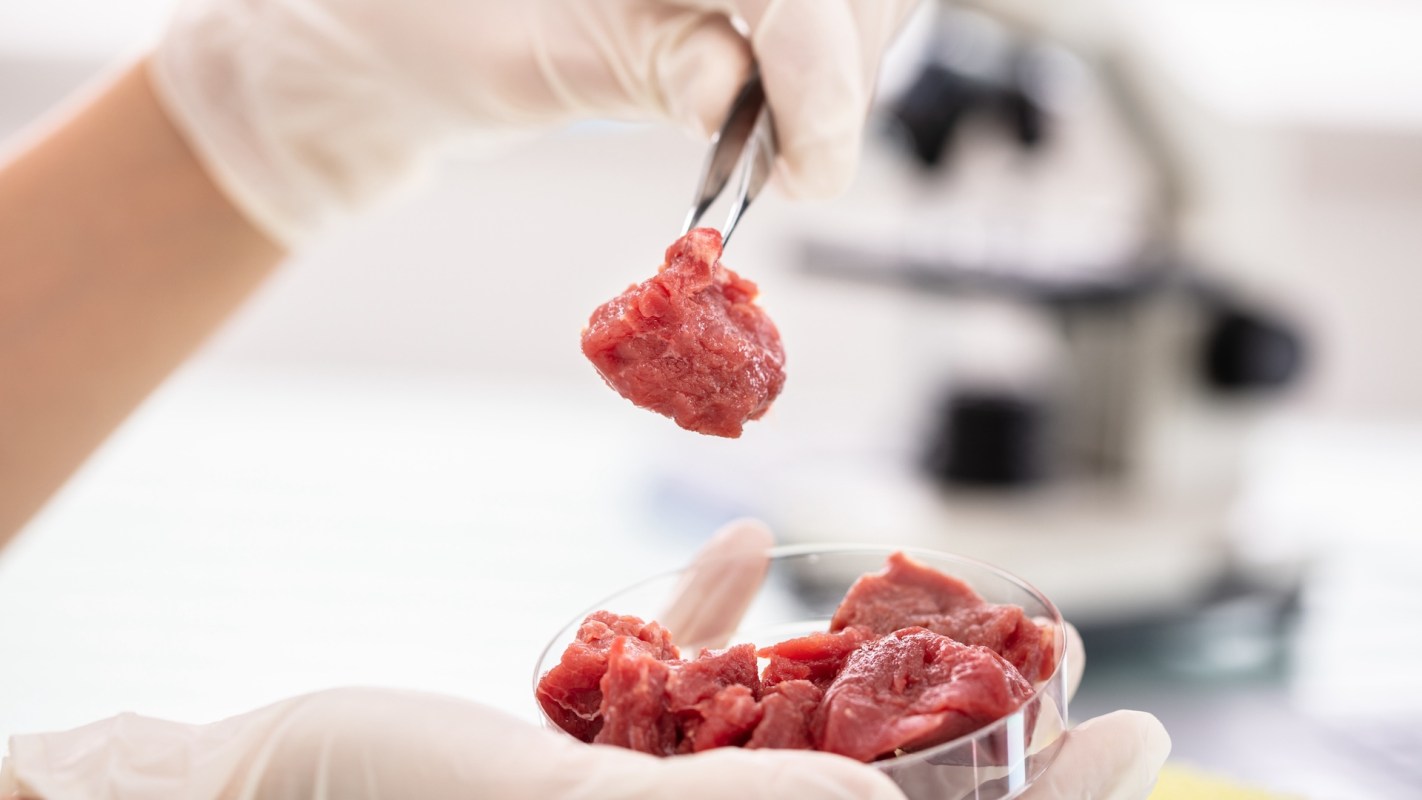
Cultivated meat promises familiar foods like chicken and beef without relying on animal slaughter, yet its future may depend on whether people can get comfortable eating it.
Before shoppers even weigh cost or availability, many react to the concept itself and maintain that cultivated meat simply feels unnatural to them.
What's happening?
Companies in the cultivated-meat sector are trying to make everyday products such as burgers, sausages, and chicken tenders from animal cells, but public doubt remains strong, per Skeptic.
Alongside cost and regulation, perception has become a major barrier. Research highlighted by found that 35% of meat-eaters and 55% of vegetarians said they would not even try cultivated meat, underscoring the industry's persistent "yuck" factor.
Dr. Uma Valeti, cardiologist, founder, and CEO of Upside Foods, told the outlet that people often imagine the product being made in a lab-like setting.
"This is the cleanest food production facility you can imagine," he said. "You can go into a brewery, a winery, yogurt maker, and this is going to be cleaner than that. It is going to be a billion times cleaner than a slaughterhouse where meat is made."
TCD Picks » Quince Spotlight
💡These best-sellers from Quince deliver affordable, sustainable luxury for all




Cultivated meat has reached limited markets in the United States, Singapore, Israel, and Australia, Skeptic reported, though many other countries still have regulatory hurdles to clear.
Why does it matter?
Part of the appeal comes from the problems tied to conventional factory farming. Skeptic linked standard meat production to greenhouse gas pollution, deforestation, animal waste, antibiotic resistance, and disease transmission.
Valeti said cultivated meat could eventually become a safer, more customizable protein source. As reported by Skeptic, he argues it may lower the risk of pathogens such as E. coli and Salmonella while removing the need for routine antibiotics. He also said it can be tailored for lower cholesterol, lower saturated fat, and different protein levels depending on people's needs.
But there are still legitimate concerns about health effects, price, and taste. Skeptic reported that some health experts consider cultivated meat ultra-processed, and early findings suggest nutrition can differ. One study of a specific product found less protein and fewer essential amino acids, along with more total fat and cholesterol, than conventional meat.
What's being done?
The basic process is relatively simple. Cells are taken from an animal, fed so they multiply, and then shaped into recognizable foods after roughly two to four weeks. Companies such as Upside Foods, Mosa Meat, and GOOD Meat have spent years refining that system and pursuing approvals.
Valeti framed that as a way to let people keep eating meat while avoiding many downsides of industrial farming. He also said Upside Foods is trying to make production more transparent than the conventional meat system by building its facility with glass walls and welcoming tours.
Costs are improving as well. Valeti said cultivated meat started out "a thousand times more expensive than organic meat prices" but is now getting closer to price parity. Even so, scaling up production and managing energy use remain major challenges.
For readers who are curious but not ready to try cultivated meat, exploring other meat alternatives can still help cut grocery waste and reduce pollution. Check out the TCD Guide on plant-based food options for more ideas.

Get TCD's free newsletters for easy tips, smart advice, and a chance to earn $5,000 toward home upgrades. To see more stories like this one, change your Google preferences here.






