


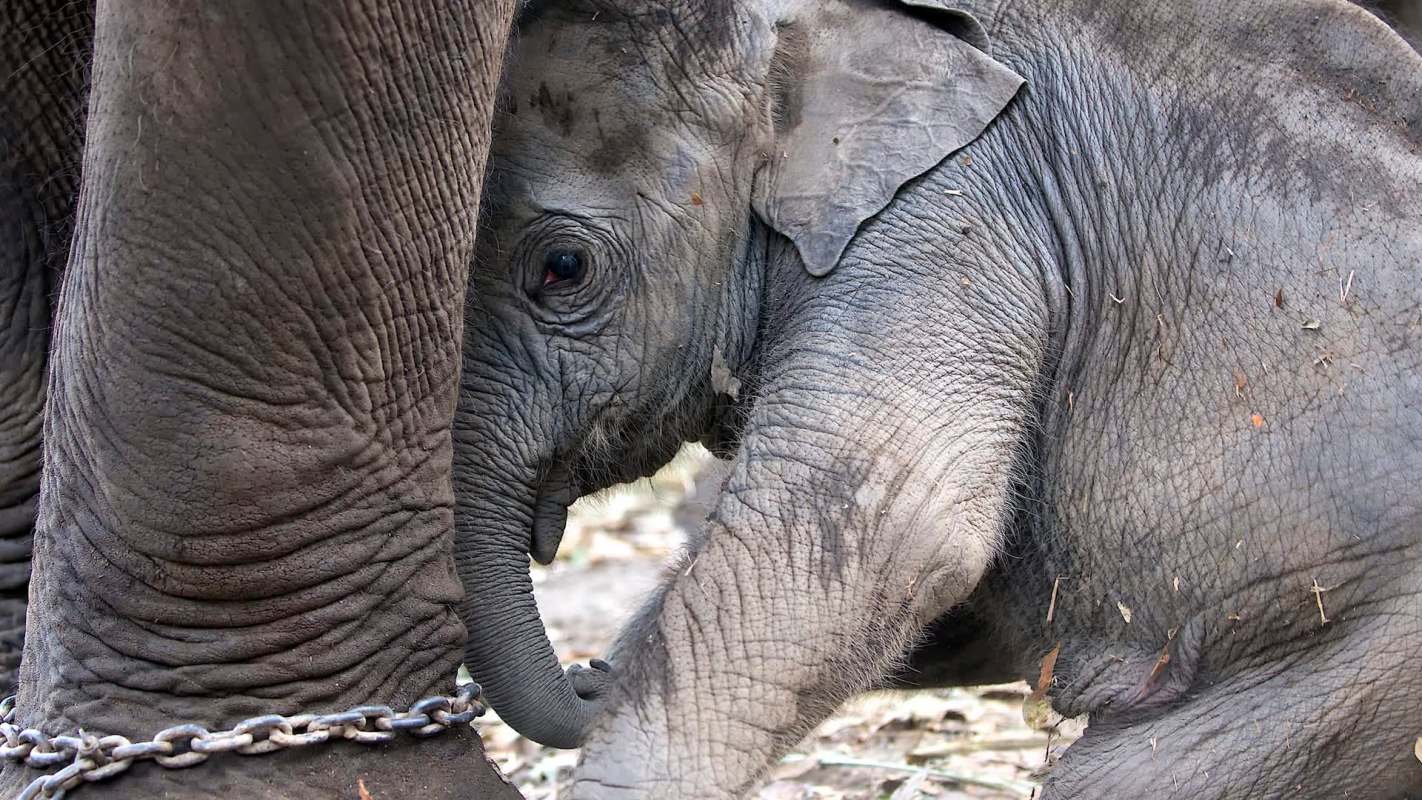
A new South African study suggests elephants that once lived in captivity can still readjust successfully after being released into wild habitats.
What happened?
The research, published July 29 in PLOS One and reported by Phys.org, followed eleven rewilded elephants living on four reserves.
For the study, Tenisha Roos and Tamara Eggeling of South Africa's Elephant Reintegration Trust, together with colleagues, focused on eleven elephants with captive backgrounds that were later released into wild settings in South Africa.
The team also assessed stress by analyzing fecal samples for metabolic markers. The rewilded elephants — particularly females — sometimes showed higher stress levels than nearby wild elephants, but those measurements still remained within the normal range for wild populations.
Roos said, "Overall, rewilded elephants exhibited behavioral and physiological patterns comparable to those of wild elephants, despite some individual, age and sex related differences. While a few elephants showed slightly elevated stress biomarkers, all values remained within the normal range for wild populations, indicating successful adaptation with no evidence of chronic stress."
Why does it matter?
Because elephant rewilding has been relatively uncommon in southern Africa, there has been limited hard data on how well these animals settle in after release. The eleven elephants in this study make up more than half of South Africa's rewilded elephants to date, making the research an important early snapshot.
TCD Picks » Quince Spotlight
💡These best-sellers from Quince deliver affordable, sustainable luxury for all




That gives conservation groups, reserve managers, and nearby communities stronger evidence as they decide whether formerly captive elephants can successfully live in natural habitats. Better-informed decisions can improve animal welfare while also helping conservation resources go further.
Elephants play a major role in shaping landscapes, and when they are able to return to natural movement and behavior, they can help support healthier ecosystems, stronger biodiversity, and nature-based tourism economies.
Researchers also found that the elephants did not all respond in the same way, with behavior varying substantially from one animal to another and underscoring the importance of personality and life history. That insight could help future rewilding efforts become more humane and better tailored, rather than relying on a one-size-fits-all approach.
What's being done?
The researchers said the work should continue. Because the sample size remains small, future studies could follow multiple herds across different countries to better understand how rewilded elephants adapt under different social, environmental, and management conditions.
The study suggests that when suitable elephants are given space, time, and the chance to rebuild natural social and behavioral patterns, captivity does not necessarily define the rest of their lives.
Brett Mitchell was quoted as saying that rewilded elephants "can regain full autonomy and re-establish natural patterns of movement and behavior." Eggeling added, "They are able to learn new skills, adapt to unfamiliar environments, and ultimately thrive as wild elephants."

Get TCD's free newsletters for easy tips, smart advice, and a chance to earn $5,000 toward home upgrades. To see more stories like this one, change your Google preferences here.






