


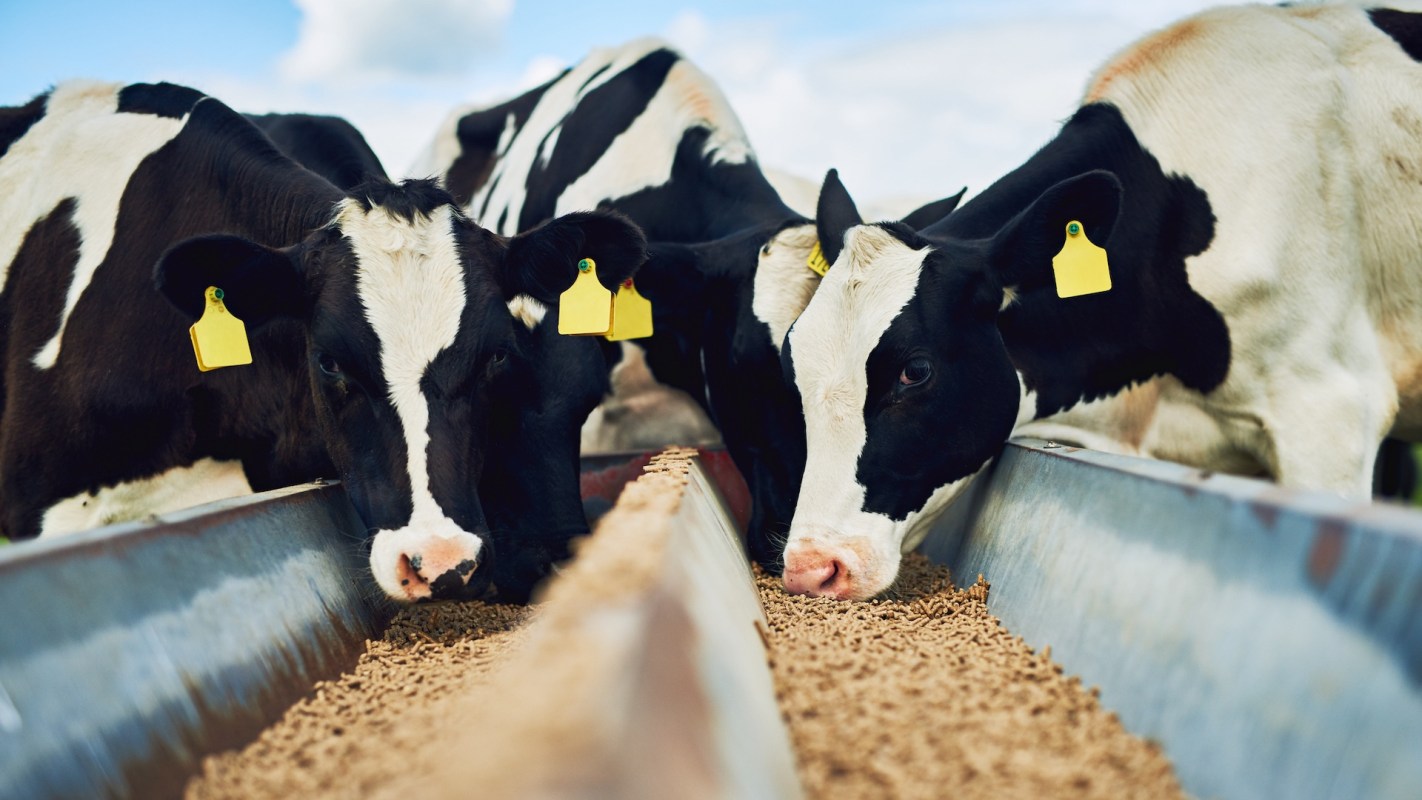
Roundup has spent years at the center of cancer lawsuits and regulatory battles, but most people don't know that in the United States, most glyphosate is not sprayed to grow food directly for people. Instead, much of it is used to make livestock feed cheaper.
What's happening?
Sentient Media reported that about 101 million of the 172 million pounds of glyphosate used each year on U.S. corn and soy goes to animal feed crops.
Glyphosate is the most widely used herbicide in the world and is the active ingredient in Roundup. It is often sprayed on genetically engineered corn and soy that are built to survive the chemical, so weeds die off while feed crops remain, helping reduce production costs.
Another major development came in June, when the Supreme Court sided with Monsanto in a failure-to-warn lawsuit filed by a Missouri gardener after years of Roundup use led to non-Hodgkin lymphoma. The ruling held that federal law gives the Environmental Protection Agency the final authority over pesticide label requirements.
There is still no consensus among major authorities on the cancer question. The EPA has long said glyphosate is not a carcinogen despite over 100,000 lawsuits and billions of dollars in settlement funds, while the International Agency for Research on Cancer classified it in 2015 as "probably carcinogenic to humans."
Why does it matter?
Cheap meat production is being sustained by a system that relies on intensive chemical use, which creates a conflict of interest between producers and consumers.
TCD Picks » Quince Spotlight
💡These best-sellers from Quince deliver affordable, sustainable luxury for all




When producers save money this way, the fallout is left to the local ecosystems, nearby communities, and consumers instead. In 2020, the EPA found glyphosate could harm or kill 93% of species protected under the Endangered Species Act.
Human health questions also remain unsettled. The EPA says glyphosate presents low toxicity risks to people at permitted exposure levels, but some regulators and researchers have continued to raise alarms, including a 2019 meta-analysis that linked exposure to a higher risk of non-Hodgkin lymphoma.
What's being done?
The courtroom and regulatory disputes are still ongoing. Bayer has already paid $10 billion to settle some Roundup litigation, and it has proposed another $7.25 billion deal for pending and future claims, though that plan is still under court review.
On the regulatory side, the EPA is in the middle of a new glyphosate reassessment after a federal court ruled in 2022 that the agency's earlier evaluation of the herbicide's health effects was inadequate. That means the government's official position may face closer examination.
Meanwhile, President Donald Trump has taken steps to bolster glyphosate production. In February, he signed an executive order describing the herbicide as "central to American economic and national security" and telling the Secretary of Agriculture to work toward "ensuring a continued and adequate supply of elemental phosphorus and glyphosate-based herbicides."

Get TCD's free newsletters for easy tips, smart advice, and a chance to earn $5,000 toward home upgrades. To see more stories like this one, change your Google preferences here.







