


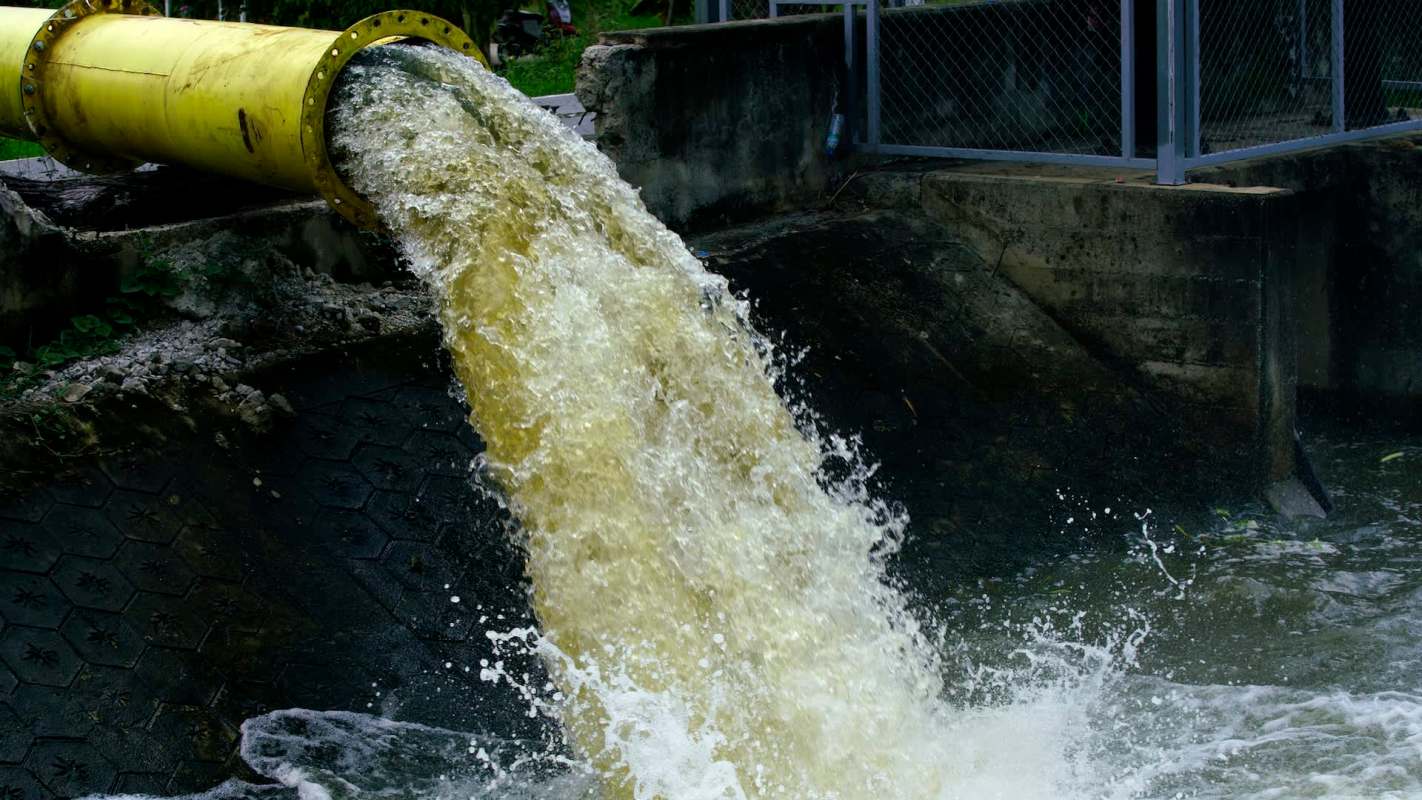
Thousands of Ohio residents objected to a proposal that would have made it easier for data centers to discharge wastewater into lakes, rivers, and streams. In reaction, the Ohio Environmental Protection Agency has backed away from the plan, at least for now.
What happened?
Following more than 7,000 comments opposing the plan, the Ohio EPA said it won't move ahead with a statewide wastewater permit for data centers, according to the Ohio Capital Journal.
Instead of requiring permits designed for individual locations, the draft would have set up a single statewide approval process for data centers.
Ohio already hosts over 200 data centers, the most of any Great Lakes state, and developers keep building more to meet demand for artificial intelligence.
Under the proposed system, approvals could have moved ahead in about a month rather than taking up to six months through an individual review.
In a statement, the agency said: "After carefully reviewing the significant volume of public comments received on the draft National Pollutant Discharge Elimination System (NPDES) general permit for data centers, Ohio EPA has decided not to move forward with finalizing the general permit."
TCD Picks » Quince Spotlight
💡These best-sellers from Quince deliver affordable, sustainable luxury for all




Ohio EPA director John Logue said in January that the White House's call to expedite data center approvals partly drove the push for a general permit.
Why does it matter?
Keeping data centers cool takes vast amounts of water, and if that water goes straight into a waterway instead of through a municipal treatment system, pollutants can end up in nearby rivers, lakes, and streams.
Opponents zeroed in on wording in the draft permit saying a drop in water quality could be acceptable for the sake of economic development.
The proposal stated, "It has been determined that a lowering of water quality of various waters of the state associated with granting coverage under this permit is necessary to accommodate important social and economic development in the state of Ohio."
Communities that rely on clean local water for drinking, recreation, and wildlife habitat objected to that language.
Discharge from cooling systems can include PFAS, often called "forever chemicals," which linger in water and in people, and they carry serious health risks.
Ohioans also questioned whether a fast-growing, wealthy industry would get lighter oversight while nearby communities absorbed the consequences.
What's being done?
With the general permit scrapped, each data center that wants to discharge wastewater goes back through its own review.
Regulators can assess a facility's size, location, and discharge risks one case at a time, and communities get more time to weigh in on permits that could affect their local waterways.
Ohio isn't alone. Residents across the country have slowed or stopped data center projects by packing public meetings, filing records requests, and organizing.
Draft permits like this one carry public comment windows that anyone can use, and agencies post them before a decision is final. Watching for those notices in your own community is the most direct way to have a say.

Get TCD's free newsletters for easy tips, smart advice, and a chance to earn $5,000 toward home upgrades. To see more stories like this one, change your Google preferences here.






