


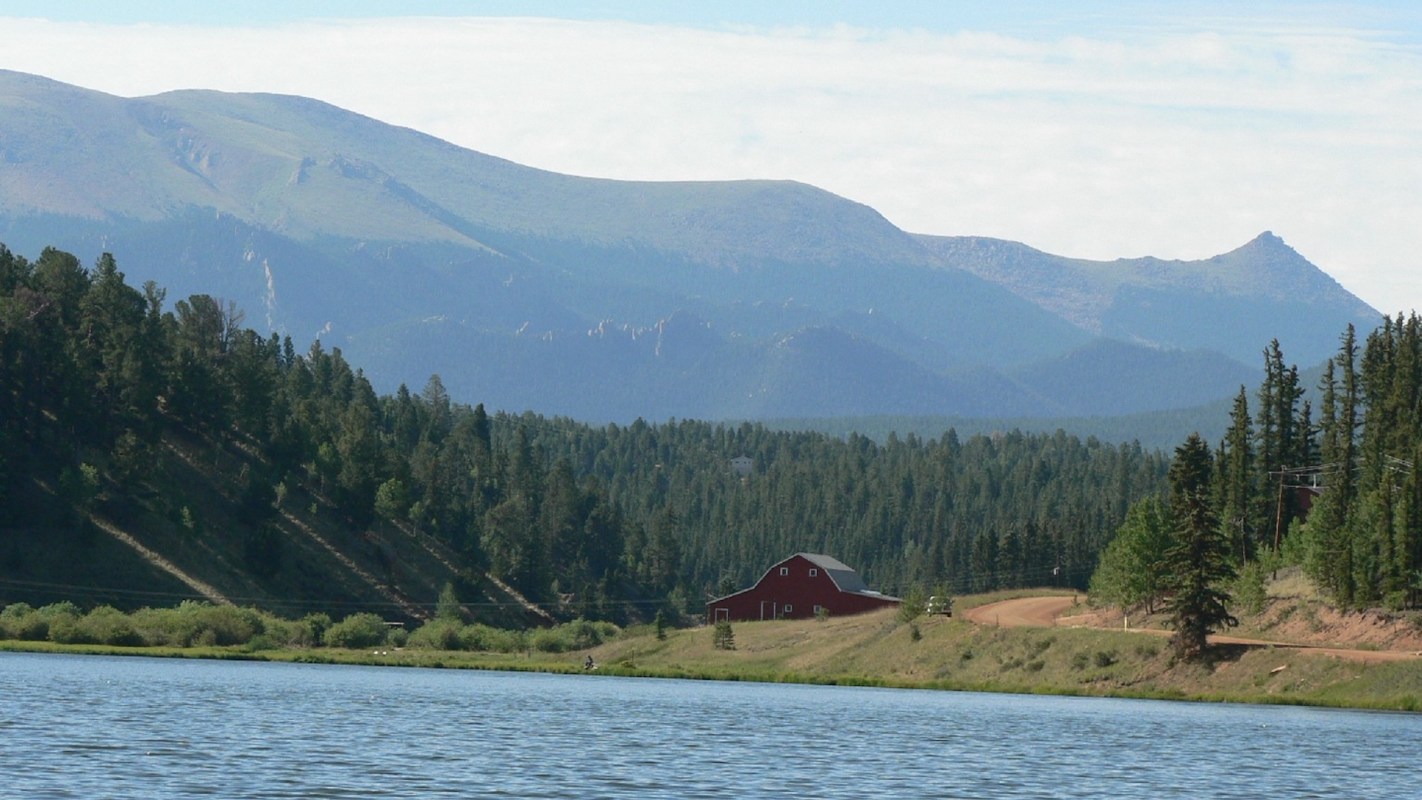
The long-running fight over whether to build a luxury community on nearly 6,000 acres southeast of Glenwood Springs, Colorado, has ended with Garfield County commissioners formally rescinding the Spring Valley Estates approvals.
The decision ends a plan that once envisioned hundreds of high-end homes, a private ski area, golf courses, and other resort-style amenities on largely rural mountainside land.
What happened?
According to Aspen Daily News, commissioners used a July 21 meeting to erase prior Spring Valley Estates entitlements and return the property to rural zoning.
The land had been approved for development in various forms since the 1980s and, at one point, was slated for as many as 2,750 homes.
A more recent version of the proposal would have brought more than 500 luxury houses, along with a private ski area, two golf courses, and village-style amenities, to the area. But the project faced years of opposition from Garfield County residents concerned about traffic, water use, and the effect on the surrounding landscape.
Philip Berry, a Garfield County planning official, said the goal was "to return all of these properties — to clear these pre-existing approvals — off of them … so that [the developers] can take a different approach to the development of these properties."
TCD Picks » Quince Spotlight
💡These best-sellers from Quince deliver affordable, sustainable luxury for all




Jon Fredericks, a representative of Spring Valley Holdings, told commissioners, "What we're basically asking here is to unwind back to 1983. We're looking for a clean slate."
Why does it matter?
Aspen Daily News reported that about 1,300 people had signed a Change.org petition by October opposing the proposal, and the planning commission had recommended denying it.
Berry said that the county's 2030 comprehensive plan directs higher-density growth into existing towns and municipalities instead of undeveloped rural areas.
What's being done?
With the property now rezoned to rural, county officials expect any future buildout to be much smaller and to follow a "logical and orderly development pattern," Berry said.
On paper, the zoning allows 2 acres per dwelling unit, though county documents cited by Aspen Daily News say the terrain and other environmental constraints would sharply reduce actual density.
Daniel Goldberg, a representative for Spring Valley Holdings, said in October that state subdivision law might permit about 160 parcels no smaller than 35 acres without county approval. With extra dwelling units, he said, the total could reach roughly 340 homes.
Scrapping the luxury-resort vision does not necessarily stop development altogether, but it appears to dramatically reduce its scale.
Nearby resident Susy Ellison called the outcome unusual, saying, "This is very rare that people listen to the public."

Get TCD's free newsletters for easy tips, smart advice, and a chance to earn $5,000 toward home upgrades. To see more stories like this one, change your Google preferences here.






