


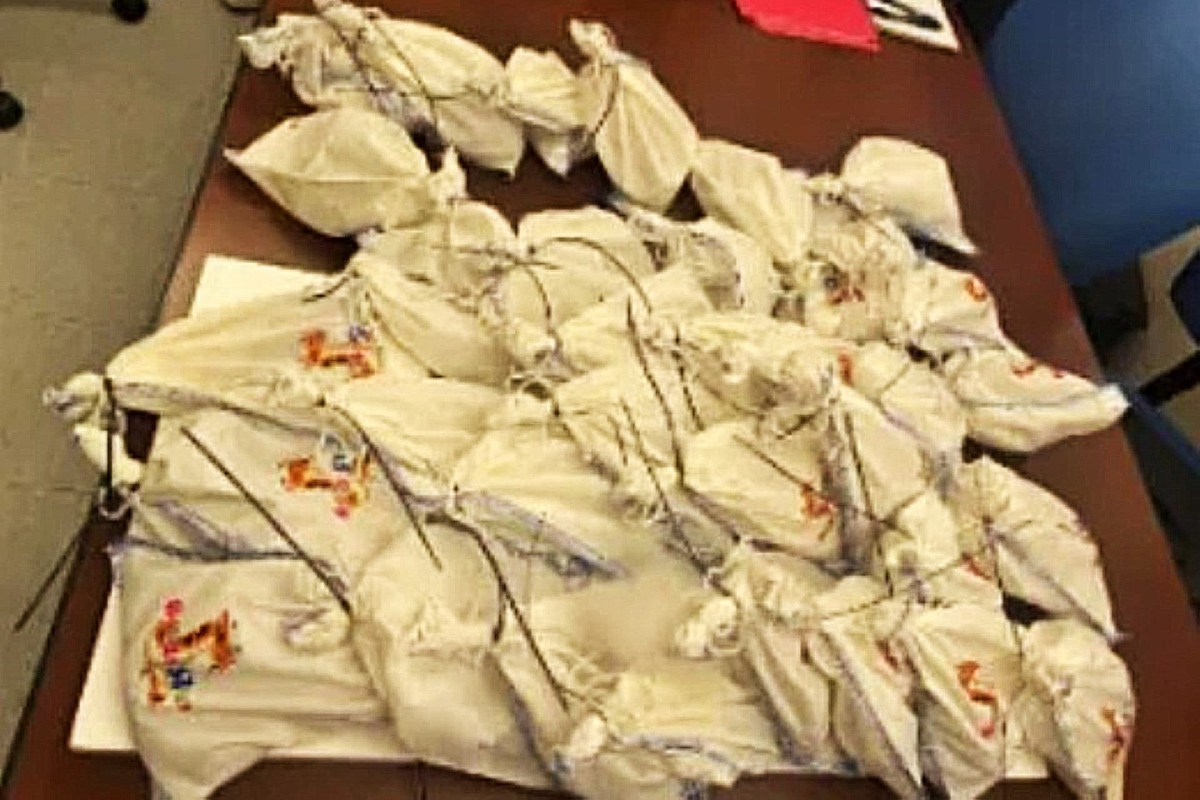
A routine inspection at a Texas border crossing led to a disturbing wildlife-trafficking bust of a tractor-trailer bound for Mexico.
What happened?
On March 5 at the World Trade Bridge in Laredo, Texas, a tractor-trailer headed into Mexico was inspected. During the stop, the driver said the vehicle contained no prohibited items, but officers instead found 39 pythons hidden in the tractor.
According to U.S. Customs and Border Protection, each snake had been packed into its own small bag. U.S. Fish and Wildlife Service agents then took custody of the animals and moved them to a controlled setting because they were in poor condition.
"The interception of live pythons at the World Trade Bridge highlights the vigilance and dedication of our CBP officers in enforcing laws that protect both our borders and our environment," Port director Alberto Flores of the Laredo Port of Entry said in a statement.
The export violations resulted in a $34,824 fine.
Why does it matter?
Wildlife trafficking is not only harmful to the animals involved. It can also pose risks to people, including the spread of disease and the possibility that nonnative species could escape or be released into ecosystems unprepared to handle them.
TCD Picks » Quince Spotlight
💡These best-sellers from Quince deliver affordable, sustainable luxury for all




In this case, officials said the snakes were already in poor condition. Animals crammed into tight spaces can suffer dehydration, injury, and extreme stress long before they reach their destination.
Trafficking operations like this can also slow progress toward healthier communities and a more stable environment.
Healthy ecosystems help support agriculture, local economies, and public well-being. When wildlife is treated like cargo, environmental stability and community safety can suffer.
What's being done?
Federal agencies have already responded on several fronts. The CBP prevented the snakes from crossing farther into Mexico, and U.S. Fish and Wildlife Service agents then placed them in a controlled setting.
The financial penalty is intended to reinforce that wildlife-export laws carry real consequences. Enforcement actions like this can help disrupt trafficking networks and discourage future attempts to move live animals illegally.
"CBP remains committed to preventing the illegal importation and exportation of wildlife and ensuring compliance with all federal regulations," said Flores.

Get TCD's free newsletters for easy tips, smart advice, and a chance to earn $5,000 toward home upgrades. To see more stories like this one, change your Google preferences here.






