


The closure of the Strait of Hormuz is serving as a reminder that fertilizer can be just as strategically important as oil.
Roughly one-third of the world's fertilizer typically moves through the narrow waterway, highlighting how fragile the systems behind everyday food really are.
What happened?
Most shoppers rarely think about the fertilizers that help grow their food, but disruptions in the Strait of Hormuz have brought this often-overlooked part of the global supply chain back into the spotlight as concerns grow over food prices.
Edward D. Melillo, professor of History and Environmental Studies at Amherst College, explained in a piece for The Conversation that this pressure arrives after several earlier shocks, including market turmoil from Russia's war in Ukraine, sanctions on Belarus limiting a global potassium source, and Chinese limits on phosphate exports.
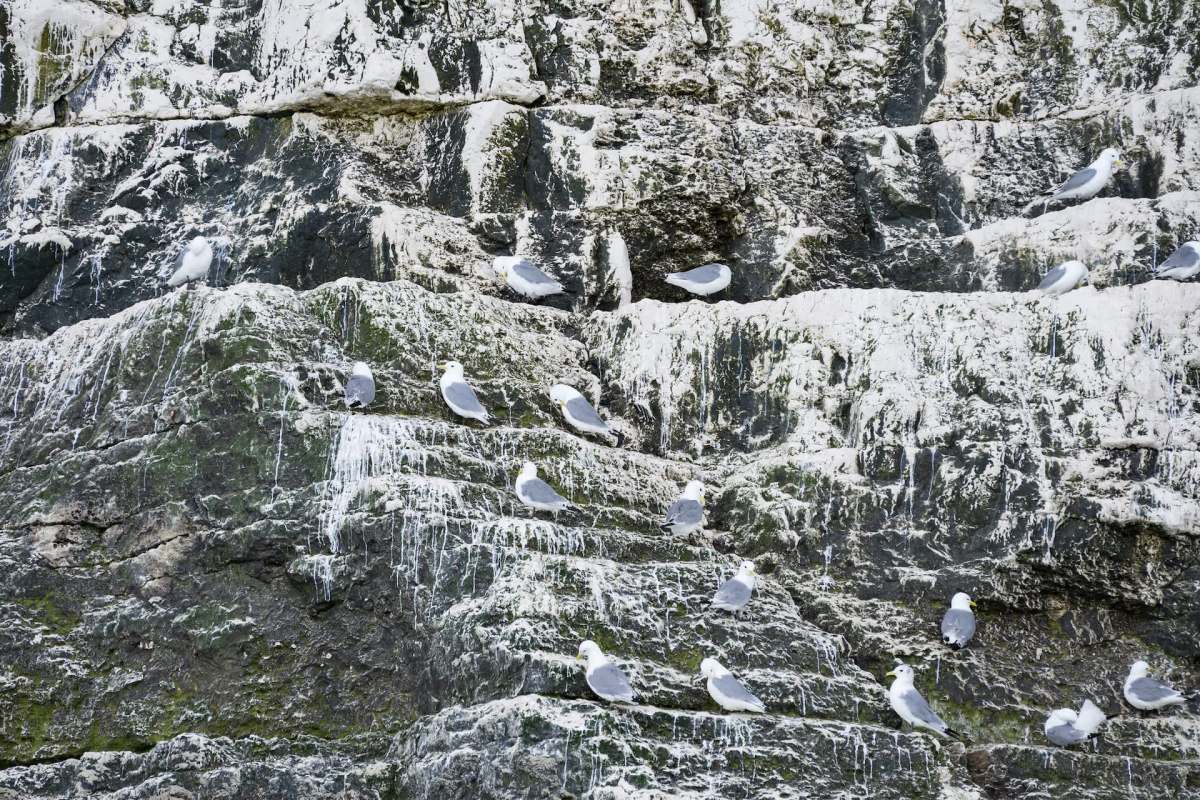
The geopolitics of fertilizer go back much further than today's crisis. Melillo noted that before synthetic products came to dominate modern agriculture, farmers in Europe and North America relied on guano — dried seabird droppings rich in nitrogen and phosphorus — imported from islands off Peru and other places.
By moving enormous quantities of crop nutrients across oceans, that trade — which Melillo described as the first Green Revolution — helped revive worn-out soils and feed rapidly growing industrial populations.
TCD Picks » Quince Spotlight
💡These best-sellers from Quince deliver affordable, sustainable luxury for all




Yet the guano boom carried severe human consequences, from dangerous work on Peru's Chincha Islands to extractive expansion associated with U.S. territorial power.
Why does it matter?
Fertilizer disruptions can ripple outward quickly. When farmers pay more for nitrogen, phosphorus, or potassium, those higher costs can eventually show up in the prices of produce, grains, and other staple foods.
Today's abundant food supply rests on a fragile web of global connections. Food security has relied not just on productive land but also on shipping lanes, mined nutrients, and labor far removed from the people who eat the food.
Exploitation was part of that system from the start. Melillo explained that on the Chincha Islands, Chinese indentured laborers faced harsh conditions while breaking up compacted guano in ammonia-laced dust.
In 1854, the British foreign secretary, the Earl of Clarendon, denounced those abuses, writing: "I have read with horror and disgust the details therein contained of the cruelties practised on the unfortunate Chinese labourers employed in the export of guano."
Crop-nutrient demand also helped extend U.S. power, Melillo wrote. The Guano Islands Act of 1856 let Americans claim unoccupied islands for guano extraction, tying fertilizer demand to empire, labor abuses, and federal authority.
"Agricultural abundance has long depended on far more than fertile soil. It has relied on distant nutrients, global shipping networks and the workers whose labor connected remote islands to farms around the world," Melillo explained.
What's being done?
One response is diversification. Farmers, companies, and governments are working to reduce reliance on any single chokepoint by broadening supply sources, improving storage, and investing in more efficient fertilizer use.
Newer tools can also help make food systems more resilient. Precision agriculture technologies allow farmers to apply nutrients more accurately, which can lower costs, reduce waste, and help stabilize food production.
Recovering nutrients from manure, food waste, and wastewater also reflects, in some ways, older closed-loop approaches that kept fertility local.
For consumers, the impact is indirect but real. More efficient nutrient use can help cushion future price shocks and reduce pollution from overapplication.

Get TCD's free newsletters for easy tips, smart advice, and a chance to earn $5,000 toward home upgrades. To see more stories like this one, change your Google preferences here.






