


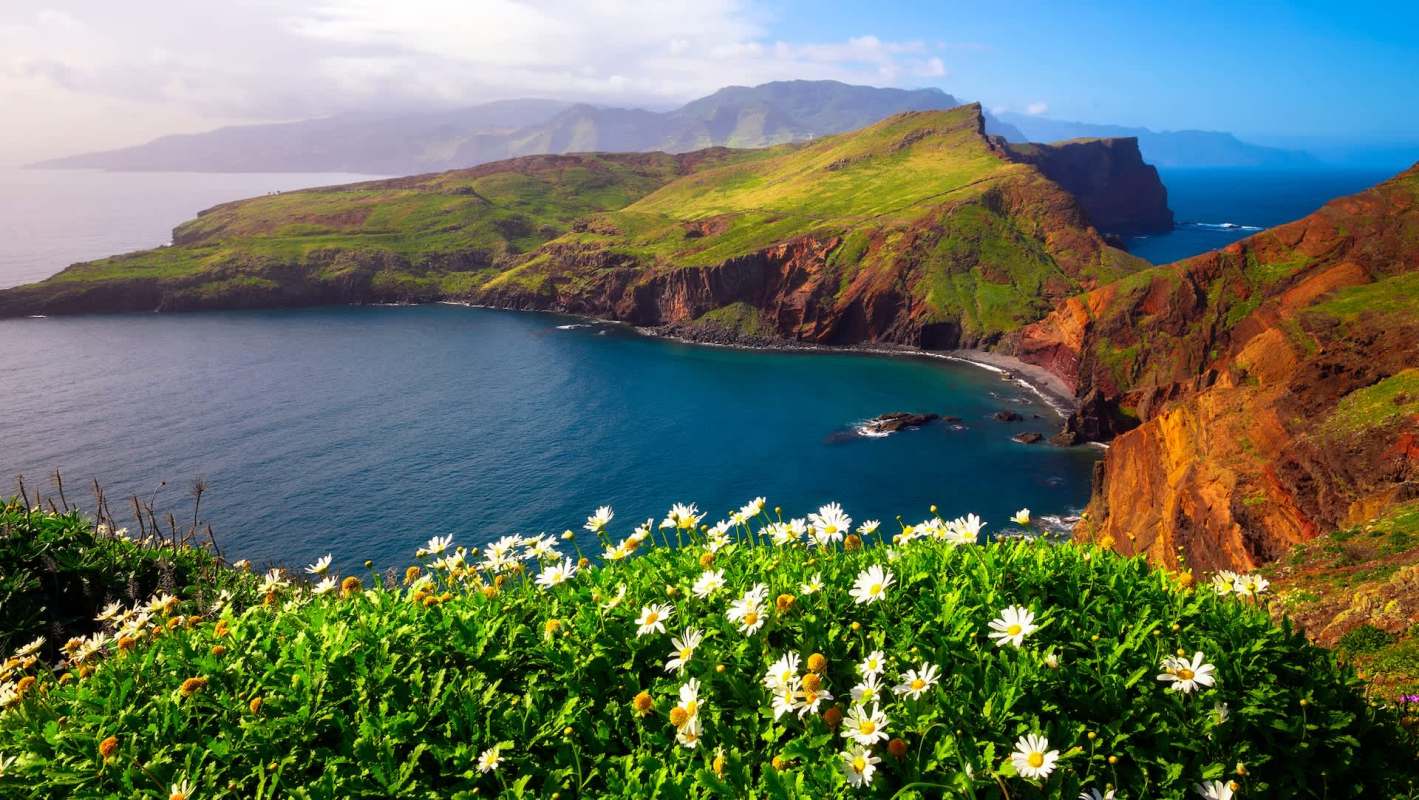
In the remote Desertas Islands of Madeira, Portugal, conservationists have returned hundreds of tiny endangered land snails to their native habitat, aiming to bring the mollusks back from the brink of extinction.
What happened?
According to Blooloop, Chester Zoo in England, working with ZooParc de Beauval in France and conservation teams from the Madeira government, helped return hundreds of captive-bred endangered snails to Bugio Island in Madeira's archipelago.
The effort was part of a larger program that bred four snail species back from near extinction. The program gave small snails to the zoos for captive breeding.
One species in extremely dire condition was Geomitra coronula snails. Experts found just 21 of the snails beneath a single rock and believed they were all that remained of the species.
The discovery came amid warnings that four snail populations were nearing disappearance.
Blooploop reported that breeding those last-known snails made a recovery effort possible. Chester Zoo has now released more than 300 captive-bred Geomitra coronula into the wild, and conservation specialists in France have added 270 Discula lyelliana.
TCD Picks » Quince Spotlight
💡These best-sellers from Quince deliver affordable, sustainable luxury for all




Tamas Papp, assistant team manager for invertebrates at Chester Zoo, described just how urgent the situation had become.
"By the time the Madeira government contacted us for help, one of the species, Geomitra coronula, was so close to extinction that its entire global population could fit inside a single petri dish," Papp told Blooloop.
Why does it matter?
The snails might be small, but they help return nutrients to the soil by feeding on vegetation, supporting the delicate balance of island ecosystems. Healthy habitats can support other wildlife.
The reintroduction effort involved more than breeding the snails in zoos and releasing them. Madeira's conservation teams prepared for the release by removing invasive species and restoring habitat, creating safer conditions for the snails to survive once they were returned.
Blooloop noted that Dinarte Teixeira, a conservationist at the Institute of Forests and Nature Conservation, led the rescue mission, selected release sites on Bugio and Deserta Grande, and is now monitoring how the snails settle back into the wild.
Reintroductions succeed only if species can establish stable populations over time.
"We knew we had one shot to save them," Papp told Blooloop. "If we missed this chance, that was it — they were gone."

Get TCD's free newsletters for easy tips, smart advice, and a chance to earn $5,000 toward home upgrades. To see more stories like this one, change your Google preferences here.






