


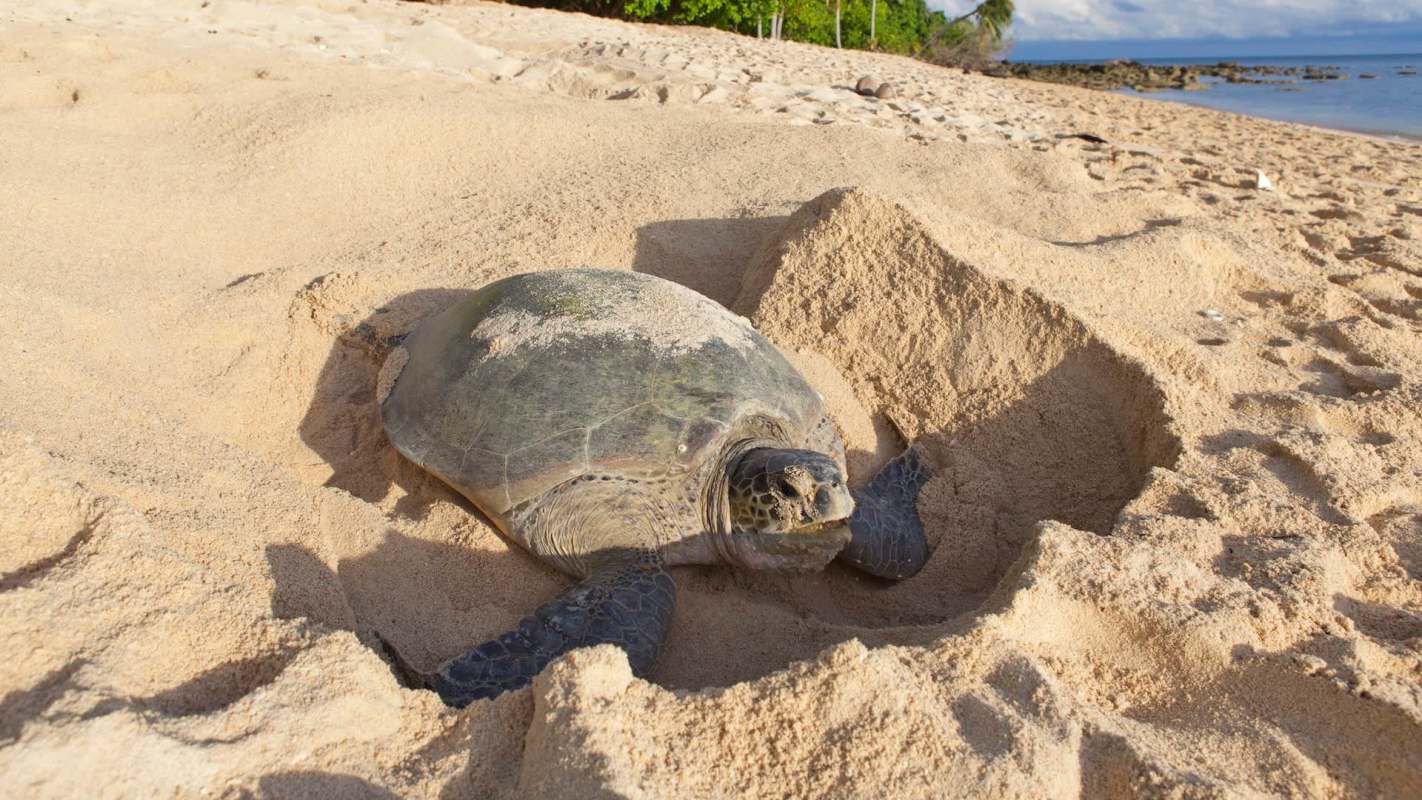
At Holden Beach in North Carolina, sea turtle volunteers are seeing one of their strongest nesting seasons yet, with this year's tally running well ahead of where it stood a year ago.
That good news comes with a worry, though: unusually hot beach conditions could affect the hatchlings developing beneath the sand.
What happened?
According to NBC Palm Springs, so far this season, the turtle watch team in Holden Beach has recorded 69 nests, compared with 35 by the same point last year.
The increase is an encouraging sign for a species that has long faced pressure from coastal development, pollution, and shifting ocean conditions.
The outlet reported that volunteers are also having to account for this summer's punishing temperatures as they track the nests.
Much of the patrol's work happens overnight to avoid the worst of the heat, but NBC Palm Springs reported that July conditions have still been hard on beach visitors, wildlife, and the people trying to protect both.
TCD Picks » Quince Spotlight
💡These best-sellers from Quince deliver affordable, sustainable luxury for all




Why does it matter?
NBC Palm Springs noted that the temperature of the sand can influence the gender of the hatchlings. In general, warmer nests tend to produce more females once temperatures get past about 85 degrees. A long-term tilt in that direction could create problems for reproduction.
Volunteers told NBC Palm Springs that extended hot weather, especially when rain is scarce, can drive sand temperatures up even more. If that keeps happening, fewer males may enter the breeding population over time.
As one volunteer explained to the outlet, "It can definitely sway the ratio of male to female and over the years that definitely could be a problem if you have more females."
People with years of turtle patrol experience say they have already seen eggs fail to survive when temperatures became too high. More nests create more chances for hatchlings, but only if those nests can withstand the heat.
The patrol continues to monitor nests closely throughout the season, stepping in when nests face immediate danger from tides or other environmental threats. In those cases, volunteers may relocate nests to improve the eggs' chances of survival.
Otherwise, the group mostly lets the process unfold naturally while monitoring nests for emerging hatchlings, according to NBC Palm Springs.

Get TCD's free newsletters for easy tips, smart advice, and a chance to earn $5,000 toward home upgrades. To see more stories like this one, change your Google preferences here.






