


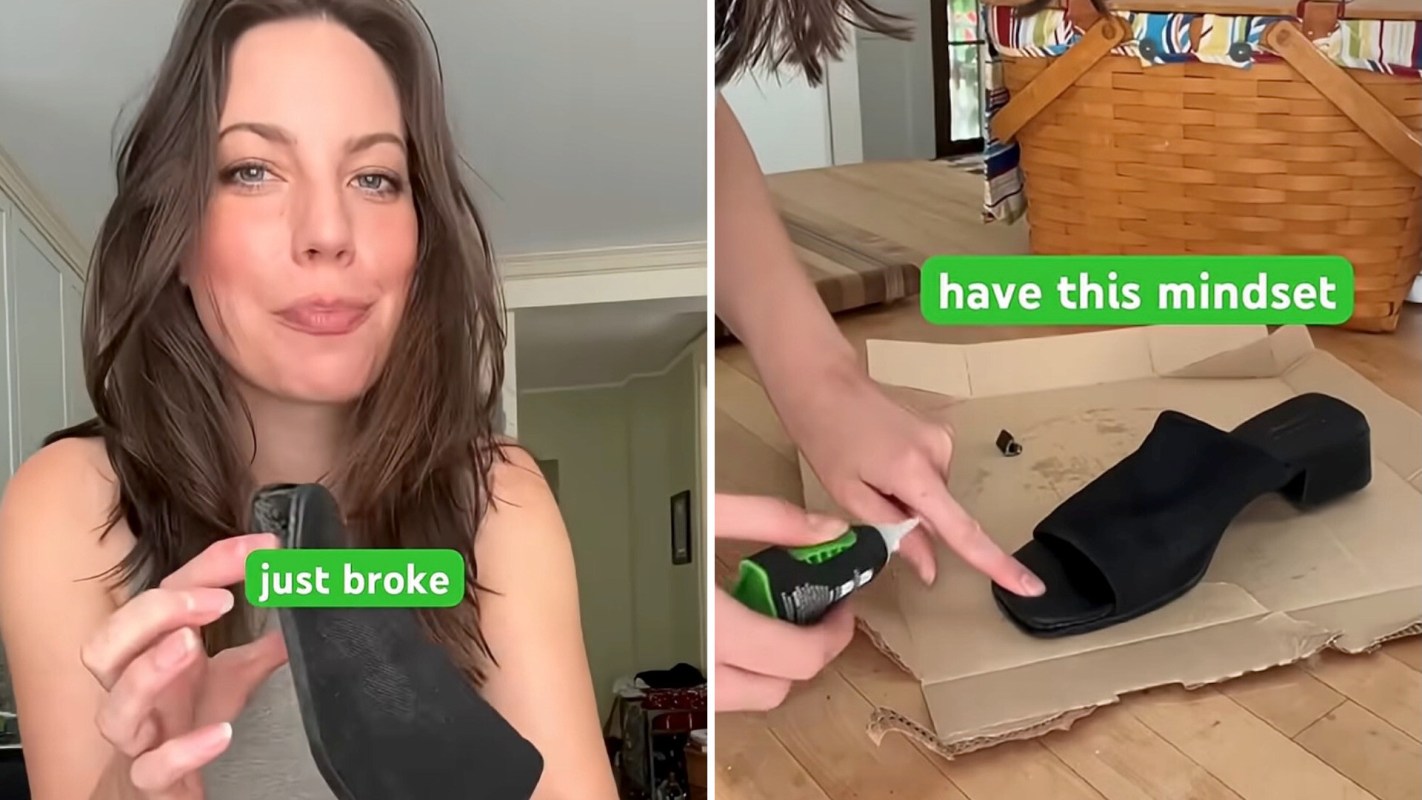
When a household item, piece of clothing, or pair of shoes shows signs of wear, it can be tempting to throw it away and replace it. But a video highlights how a simple repair — and a shift toward fixing instead of replacing — can extend the life of everyday items while helping people avoid unnecessary spending.
What happened?
Kathryn Kellogg (@GoingZeroWaste), the YouTube creator behind Going Zero Waste, posted a video showing how she repaired a damaged pair of sandals.
Rather than treat the damage as a reason to buy new shoes, Kellogg used it as a case for fixing what she already had. "My sandals just broke, so I can throw these out and get a new pair," Kellogg said sarcastically.
"Stop it! We're going to fix these. In this economy? No," she added, noting that broken does not mean unrepairable.
After a little bit of gluing, the sandals were wearable again within minutes.
"A five-minute repair just saved me $60," Kellogg said.
TCD Picks » Good Store Spotlight
Get 10% off your next purchase with code TCD10

Why does it matter?
A broken strap, sole, or seam often leads people to replace shoes long before they are actually worn out. When a repair takes only a few minutes, the savings can easily outweigh the effort.
That repair-over-replace habit can also help cut waste at home. Shoes, clothes, and accessories are often discarded because of a single failed component, even when most of the item is still functional. Extending the life of products helps households get more value from the things they already purchased.
Kellogg's video pushes back on the idea that every inconvenience calls for a new purchase. At a time when many people are watching their budgets closely, small maintenance skills can stretch spending without requiring a major lifestyle overhaul.
Not every shoe should be repaired indefinitely. If the sole is no longer supportive or the structure is unsafe, replacement may make more sense. But for cosmetic damage or a loose element, a quick fix can be the smarter move.
What can I do?
The first step is to check whether the damage is localized. A separated strap, peeling edge, or detached trim may be fixable with the right adhesive and a clean, dry surface.
Keeping a small repair kit at home with basics such as fabric glue, shoe adhesive, a needle and thread, and patching materials can make it easy to handle small issues before they get worse and force a replacement.
If a repair does not hold, that does not mean the item is a lost cause. Trying a fix first can help you learn what is worth mending, which materials last long, and how to shop more intentionally.

Get TCD's free newsletters for easy tips, smart advice, and a chance to earn $5,000 toward home upgrades. To see more stories like this one, change your Google preferences here.






