


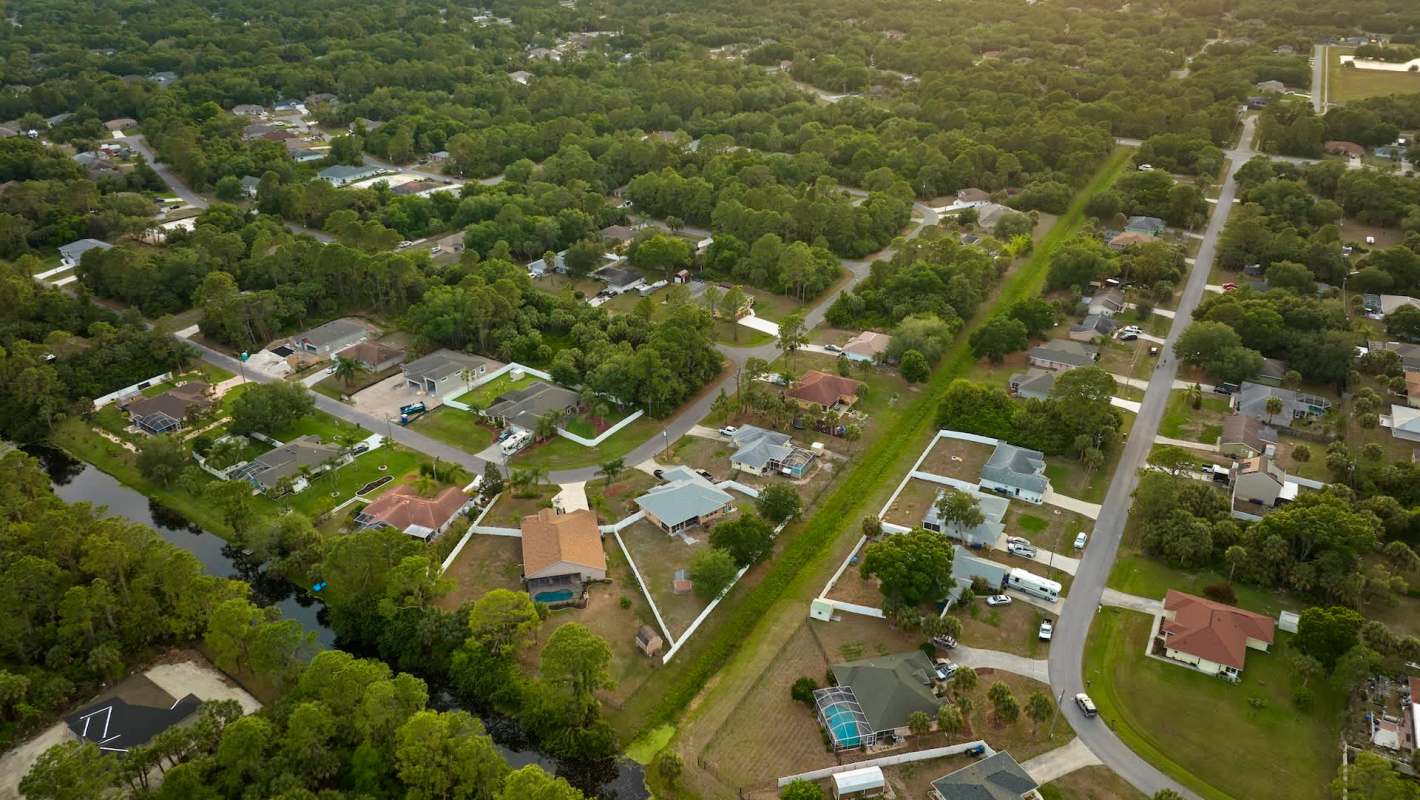
Monthly HOA charges are taking up more room in the cost of owning a home across the country, and buyers in Northeast Florida are dealing with that pressure too.
How much that adds to a monthly budget depends a lot on where someone buys in the region: one county may have little or no HOA burden, while the next may bring hundreds of dollars in extra costs, according to WJXT News4JAX.
What's happening?
Realtor.com said 43.6% of U.S. home listings in 2025 included HOA fees, with a typical monthly charge of $135.
Separately, the U.S. Census Bureau put the 2024 median condo or HOA payment at $135 and said about 21.6 million homeowners paid one.
Another estimate from LendingTree found that about 17.5 million homeowners in the 100 biggest metro areas paid HOA or condo fees in 2024, including 2.6 million who paid $500 or more each month.
Research from TrueHOA and the Foundation for Community Association Research that pointed to rapid HOA growth and increasing financial pressure on both associations and residents.
TCD Picks » Quince Spotlight
💡These best-sellers from Quince deliver affordable, sustainable luxury for all




In Northeast Florida, those costs can vary widely by county.
Duval County can be moderate overall, but some Jacksonville condos can run from the low hundreds each month to above $1,500 on amenity-rich or waterfront properties.
St. Johns County can add another layer of expense because many master-planned communities have HOA dues and sometimes separate Community Development District assessments.
Meanwhile, Clay, Baker, and Putnam counties generally have lower HOA exposure, with many listings advertised as having no HOA or carrying lower fees.
Nassau and Flagler counties fall somewhere in between, with inland homes often costing less to carry while coastal condos and gated communities can add much higher monthly charges.
Why does it matter?
HOA dues can significantly change what a home actually costs each month.
A buyer may be comfortable with the mortgage payment but still be stretched by HOA charges, special assessments, insurance-related increases, or CDD fees layered on top.
Dues are climbing because of rising insurance and reinsurance costs, delayed maintenance, repair needs in older buildings, and the expansion of amenity-heavy developments.
In fast-growing parts of Northeast Florida, that can make newer or more feature-rich communities seem less affordable than they first appear.
HOAs around the country have at times been criticized for standing in the way of money-saving home upgrades such as rooftop solar panels or native plant lawns, both of which can help lower utility bills and reduce water use.
For some homeowners, higher dues come with barriers to making changes that could reduce housing costs.
What can I do?
To get a clearer picture of future costs, buyers can ask for the HOA budget, reserve study, and recent meeting minutes before closing.
Those documents can help reveal whether dues are likely to rise, whether reserves are underfunded, and whether special assessments may be on the horizon.
CDD bonds are especially common in St. Johns and Flagler counties.
In Duval condos and gated communities, insurance, maintenance responsibilities, and reserve funding can add significantly to monthly costs.

Get TCD's free newsletters for easy tips, smart advice, and a chance to earn $5,000 toward home upgrades. To see more stories like this one, change your Google preferences here.






