


The high cost of a fully off-grid solar setup long kept many Wisconsin homeowners from moving past the idea stage.
Although federal funding for home solar projects has been cut in recent years, that's not slowing homeowners and businesses down from adopting clean energy. In Wisconsin, solar and backup systems are winning over homeowners who are concerned about power outages and energy costs.
What's happening?
According to a report from Wisconsin Public Radio, when JD Smith, director of marketing and public relations at Milwaukee-based Arch Solar, joined the company roughly six years ago, he said plenty of prospective customers asked what it would take to stop depending on the grid.
Many were interested in systems with enough solar panels and battery capacity to power their homes on their own.
But, as the outlet reported, the upfront cost of an off-grid system usually was a major barrier.
Smith told WPR that about one in four customers asked about adding battery storage, but many lost interest after learning it could cost more than $50,000. According to Smith, some said they would only consider installing solar if they could also afford to go completely off the grid.
TCD Picks » Quince Spotlight
💡These best-sellers from Quince deliver affordable, sustainable luxury for all




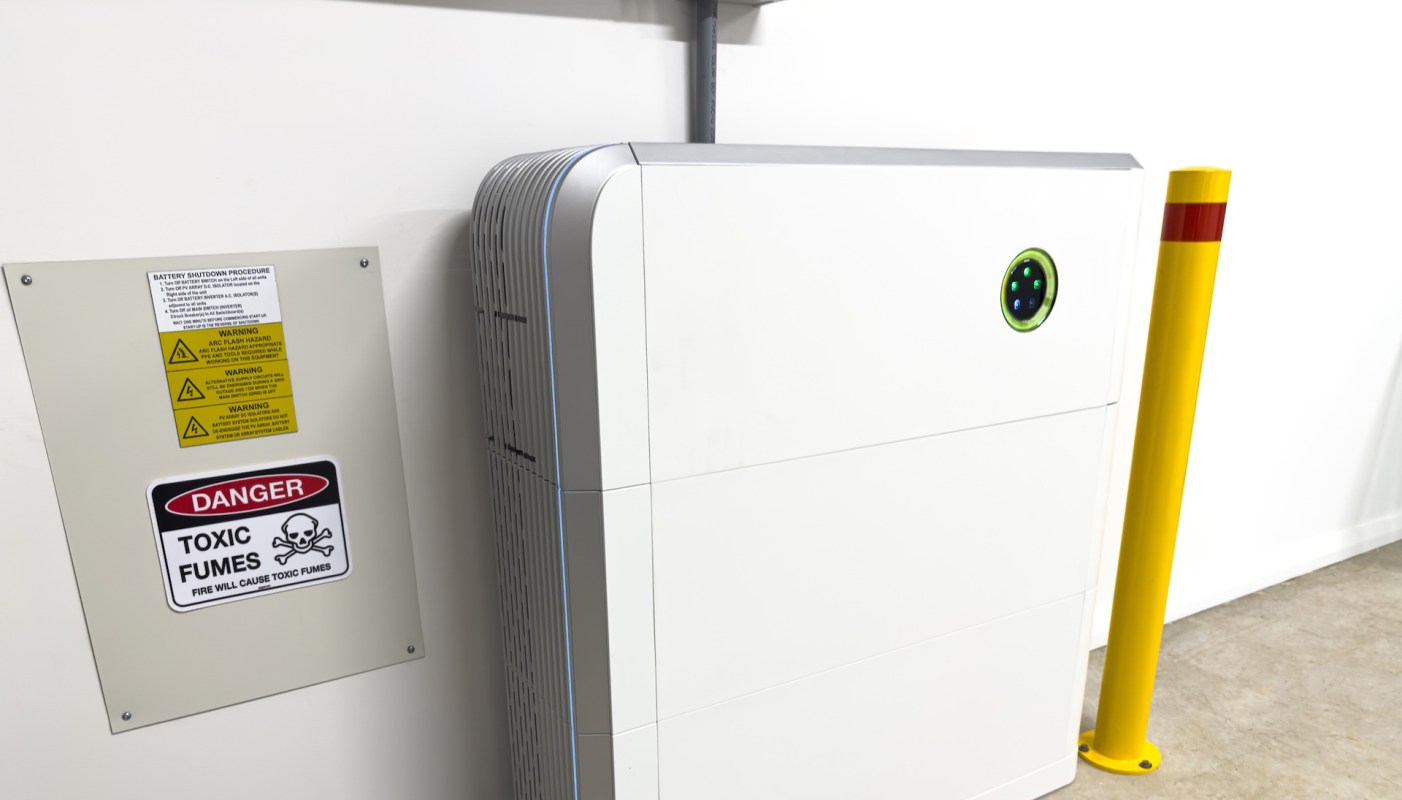
Now the goal is different for many buyers. Instead of trying to run off-grid all the time, more homeowners are looking for backup power during shorter outages and a way to depend less on utilities.
Smith told WPR that "now, at least half of our customers are moving forward with batteries." He said better technology and stronger demand have helped the industry keep growing even after incentives created under the Inflation Reduction Act were cut back in December 2025.
Why does it matter?
Batteries paired with solar can help keep the lights on during blackouts, protect refrigerated food and medications, and reduce dependence on an increasingly stressed power grid.
As electricity demand climbs — including from large users such as data centers — Emma Heins, principal at Advanced Energy United, told WPR that renewable energy sources are a practical way to keep up.
Heins told the outlet, "renewable energy is the fastest form of energy to get on the grid, and it's also the cheapest per kilowatt."
Solar-plus-storage is becoming less of a luxury and more of a resilience tool. Even households that cannot afford to go fully off-grid may still benefit from partial backup power and potentially lower energy costs over time.
What's being done?
While federal incentives have been cut, Heins told WPR that the state launched two rebate programs funded through earlier Inflation Reduction Act dollars that were awarded before federal policy changed.
The Home Efficiency Rebates (HOMES) program offers up to $10,000 for qualifying efficiency upgrades, while the Home Electrification and Appliance Rebates (HEAR) program, as reported by WPR, can provide up to $14,000 to low- to moderate-income households for qualifying home-efficiency work.
Those programs can help lower utility bills by making homes easier and cheaper to heat, cool, and power. Heins said the funding is expected to remain available through 2031, giving homeowners more time to plan larger projects.

Get TCD's free newsletters for easy tips, smart advice, and a chance to earn $5,000 toward home upgrades. To see more stories like this one, change your Google preferences here.






