


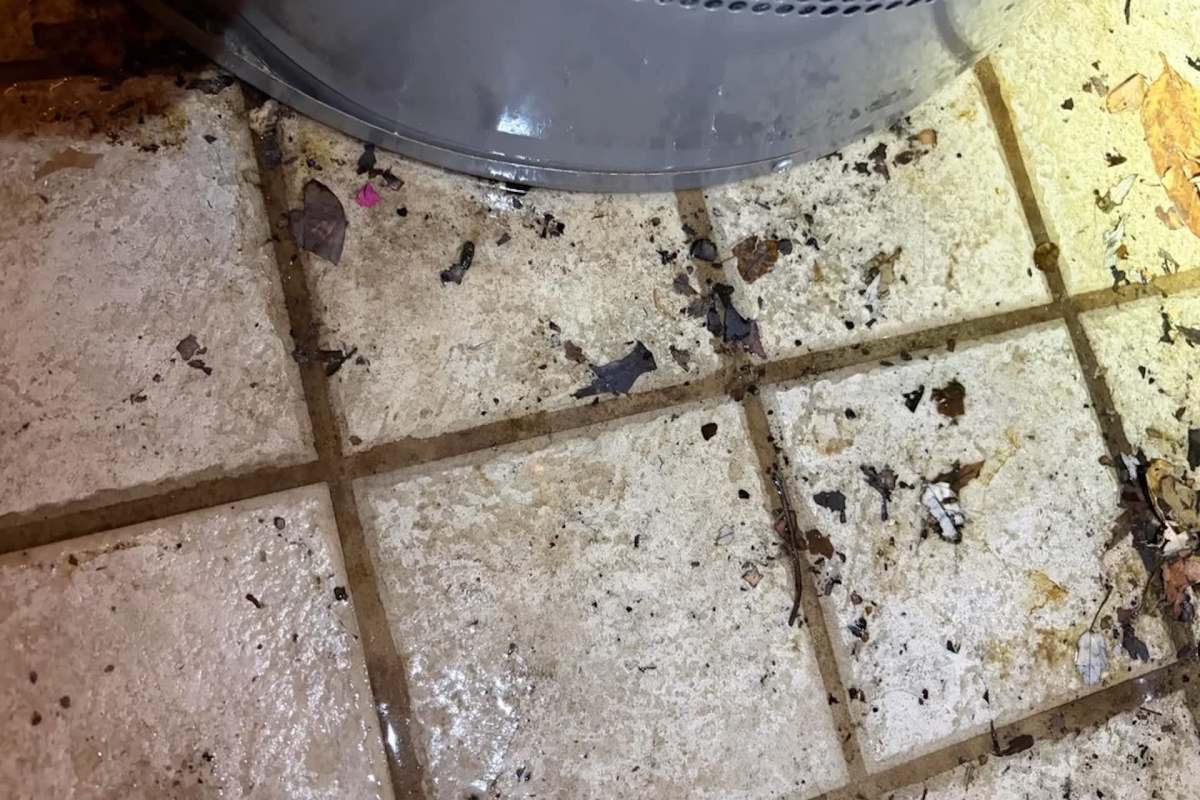
A homeowner who spotted water pooling under a water heater quickly feared the worst. After inspecting the unit, they couldn't find the leak and went to Reddit for help, saying, "I'm gonna need a new unit aren't I?"
It is a stressful problem, but it can also become the moment that many homeowners will face at one point or another. However, this situation could serve as a chance to cut future utility bills.
What happened?
A recent post on Reddit focused on a homeowner who had already looked into several likely sources of the leak before worrying that the issue could be more serious.
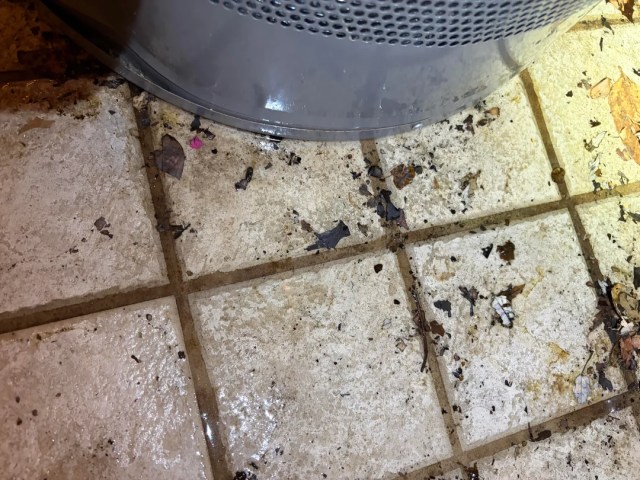
"Fairly certain my water heater is leaking from the bottom and I can't find the source of the leak," the original poster wrote.
They said they had already inspected several common problem areas: "Checked the pressure relief valve, the faucet and the water inlets….."
When water shows up under a heater while the visible fittings appear dry, people often begin to suspect internal corrosion or a crack in the tank.
Plumbers have seen hundreds of cases and have a better understanding, although it's still important to rule out less severe causes first, including condensation, a drain valve issue, or a slow leak traveling down from above, before moving to more involved inspections.
Leaking is a common concern with older water heaters, especially as rust and wear become bigger risks.
Save $10,000 on solar panels without even sharing your phone number Want to go solar but not sure who to trust? EnergySage has your back with free and transparent quotes from fully vetted providers in your area. To get started, just answer a few questions about your home — no phone number required. Within a day or two, EnergySage will email you the best options for your needs, and their expert advisers can help you compare quotes and pick a winner. Solar panels can save you more than $50k over their 25-year lifespan, and EnergySage can help you save as much as $10k on installation. Which begs the question — isn't that worth an email or two? |

Why does it matter?
A leaking water heater can damage flooring, drywall, or nearby belongings, and a worsening failure can leave a household without hot water when the unit finally gives out.
Water heating is one of the largest energy expenses in many homes, so when replacement time arrives, it's important to make a strategic decision; the next unit can either lock in years of higher costs or help bring them down.
For homeowners replacing an aging electric tank, a heat pump water heater can be a major money-saving upgrade. These systems move heat rather than generating it the old-fashioned way, which makes them much more efficient and can reduce utility costs over time while also cutting planet-warming pollution from household energy use.
What can I do?
If you notice water under your heater, start by checking whether the leak is actually coming from the tank, a valve, or a fitting above the unit. If the source is unclear or if the bottom of the tank appears to be the problem, call a plumber quickly, because true tank failures usually mean replacement rather than repair.
If replacement is needed, compare standard models with heat pump options before buying. Check for utility rebates and tax incentives, which can soften the upfront cost and improve the overall payoff.
Cala is making that upgrade more useful for homeowners. Its customizable smart heat pump water heaters help homeowners decrease their energy bills by heating water exactly when it's needed. Instead of wasting energy keeping a full tank hot around the clock, the system is designed to match a household's actual usage patterns. That can help families lower costs while still having hot water available when they need it.
For homeowners already facing an unexpected replacement, newer options such as Cala can make the next water heater less of a burden on both the budget and the grid.
The homeowner's conclusion was blunt: "I'm gonna need a new unit aren't I?" They said the water was collecting under the tank after they had already checked the fittings: "It's pooling under the tank and I've already ruled out the fittings, so I think the tank itself has gone and it's replacement time."

Get TCD's free newsletters for easy tips, smart advice, and a chance to earn $5,000 toward home upgrades. To see more stories like this one, change your Google preferences here.






