


A three-day blackout during a 2023 winter storm convinced one homeowner that a portable generator was the clearest answer for future outages.
Eighteen months later, they turned to a battery system that cost $1,300 and worked with the solar panels they already had, making backup power easy enough that the generator had not come out since.
What happened?
On Reddit, the owner of a five-acre property outside Austin said they bought a Honda EU2200i generator after their electricity was out for that dayslong stretch.
The machine worked, but every use came with trade-offs: taking it outside on rainy nights, storing fuel, dealing with fumes, and hearing the sound.
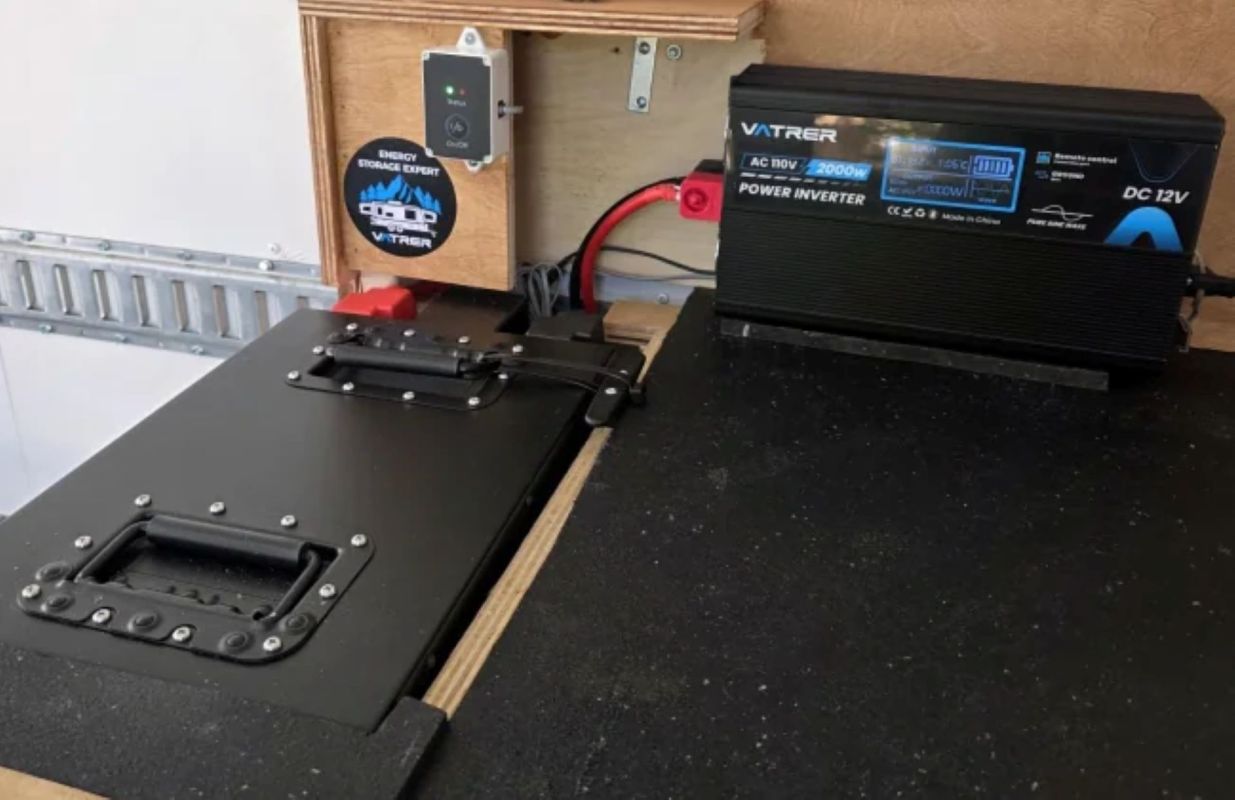
They eventually bought a 12-volt, 460-amp-hour Vatrer lithium battery, routing it through a 2,000-watt inverter and the 4-kilowatt solar array already on their barn.
The poster said that arrangement kept their fridge, freezer, and lights running for one to two days. During a six-hour outage in March, the battery "took over automatically."
"This is what it should have been the whole time," the poster's wife said.
For homeowners considering something similar, it may be worth exploring EnergySage's free tools to get information about home battery storage options, including competitive installation estimates. EnergySage has teamed up with the electrification brand Qmerit to guarantee you get the best price on home battery storage solutions.
Save $10,000 on solar panels without even sharing your phone number Want to go solar but not sure who to trust? EnergySage has your back with free and transparent quotes from fully vetted providers in your area. To get started, just answer a few questions about your home — no phone number required. Within a day or two, EnergySage will email you the best options for your needs, and their expert advisers can help you compare quotes and pick a winner. Solar panels can save you more than $50k over their 25-year lifespan, and EnergySage can help you save as much as $10k on installation. Which begs the question — isn't that worth an email or two? |

Why does it matter?
Backup power is no longer solely the domain of generators and gas cans in the garage.
Compared with manual gas-powered units, battery systems can kick in on their own, operate quietly, and spare homeowners many of the chores tied to engines, including oil changes and fuel upkeep.
Battery storage is also one of the most effective ways to protect a home during outages while lowering energy costs over time, particularly for households that already have solar panels installed.
Rather than relying on fuel every time the grid drops, a homeowner can draw on stored electricity for essential appliances and recharge when sunlight returns.
There are also low-cost alternatives for people who do not need whole-home systems. Pila offers excellent battery backup options, and its plug-and-play batteries are priced at a fraction of what a whole-home backup system would cost.
Commenters made clear there is no universal solution.
"Although I don't have nearly enough solar or battery to run my household indefinitely, the fact that as long as the sun shines, I can top up the battery and power a few critical devices near indefinitely with no outside support was a huge selling point for me," one wrote.
Others noted that propane generators may be a better fit for long-lasting outages that require whole-home power.
What can I do?
If you're considering backup power, a good first step is to figure out which appliances and devices you need to keep running during an outage.
For some households, that may mean just the refrigerator, lights, phones, and a coffee maker. For others, it could include heating equipment, medical devices, or well pumps.
That can significantly change the cost.
The homeowner said their generator and battery setup each came out to about $1,300, though they noted those numbers were rough estimates and included their already purchased solar panels and a charge controller.
For people who want to add resilience without committing to a full whole-home system, a small battery backup can be a practical place to start.
And for those living in areas with extended outages or weak winter sunlight, a hybrid approach with both batteries and a generator on hand may offer the most flexibility.

Get TCD's free newsletters for easy tips, smart advice, and a chance to earn $5,000 toward home upgrades. To see more stories like this one, change your Google preferences here.






