


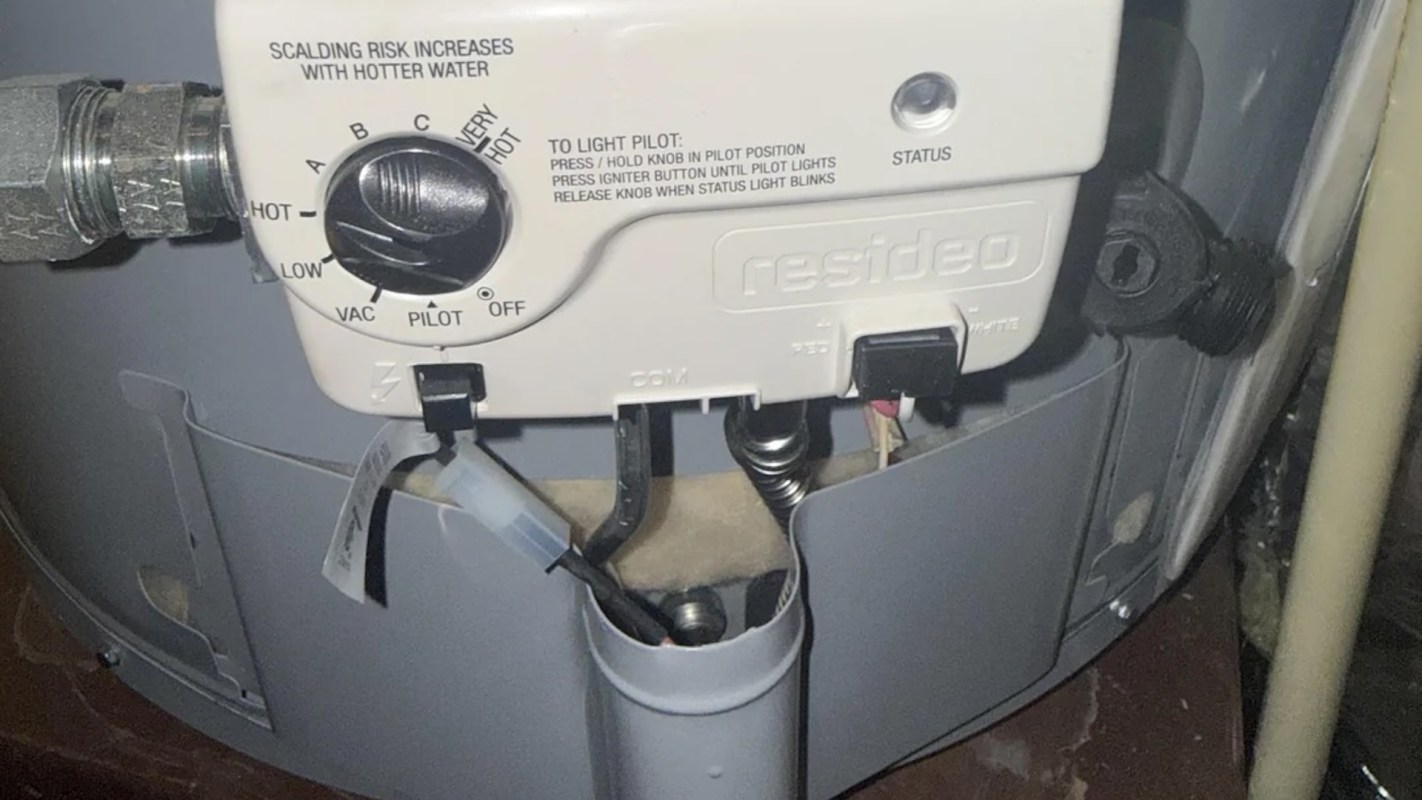
A concerned homeowner who discovered their water heater was climbing to 145 degrees Fahrenheit went online in search of a way to turn it down.
Instead, fellow Redditors warned that the problem could signal a dangerous malfunction, one that may also be quietly wasting gas and money.
What happened?
On Reddit, the homeowner said the heater was reaching 145 degrees and asked how to turn it down, or whether any adjustment was needed at all.
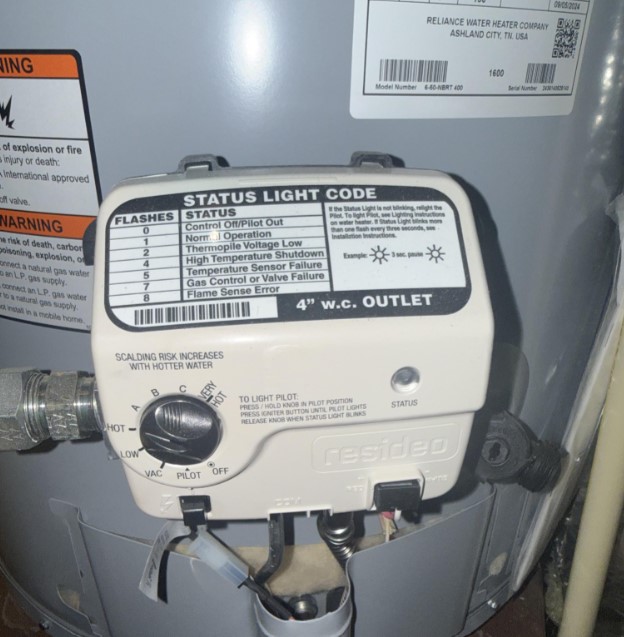
Readers responded with advice that the issue was more serious than a routine adjustment, saying a residential unit should not be running that hot. One commenter warned, "If you water heater is getting to 145 with the dial set there, then you need to get a new water heater gas control valve."
They also said this was "not something I would recommend a novice DIYer to do" and warned, "You currently have a pretty dangerous situation as your safety control valve is not shutting off the gas to the burner when it should. Call a plumber, please."
Holding on to the hope that a simple dial turn would save them, the OP responded to the surprising news with a question, "Even though the water temp did plateau at 145?"
TCD Picks » Quince Spotlight
💡These best-sellers from Quince deliver affordable, sustainable luxury for all




Issues with water heaters create a lot of tension, as fixes or replacement can eat into savings.
After the poster identified the heater as a 2024 A.O. Smith, another commenter said that even a newer model "really isn't supposed to do that."
Why does it matter?
145 degrees is much hotter than necessary and can quickly become a safety issue, especially if a gas control valve is involved.
There is also the financial cost to consider. Heating water beyond what is needed means burning more fuel or using more electricity than necessary. Water heating is already one of the larger energy expenses in many homes, so an overheating unit can quietly drive utility bills higher.
Even when a heater is functioning normally, lowering the thermostat can trim costs. If a system is overshooting to 145 degrees because of a malfunction, the extra waste could push monthly bills higher, not to mention cause a serious safety issue when gas is not properly controlled.
What can I do?
If your hot water seems far hotter than expected, especially if it is overshooting the dial setting, the safest move is not to treat it as a simple adjustment issue.
Commenters in this case repeatedly urged the homeowner to call a professional rather than attempt a first-time repair on a gas control component.
A licensed plumber can inspect whether the gas control valve or other safety components are failing. If the unit is newer, it may also be worth asking about warranty coverage before approving a replacement part.
It can also help to carefully test tap water temperature from time to time, watch for sudden performance changes, and pay attention if water feels unusually hot at multiple fixtures.
One commenter summed it up this way: "That looks like a newer heater. It really isn't supposed to do that. Get it looked at by a professional."
Another added, "145 is about 25 degrees too hot. Not only does it waste gas, it can cause burns."

Get TCD's free newsletters for easy tips, smart advice, and a chance to earn $5,000 toward home upgrades. To see more stories like this one, change your Google preferences here.






