


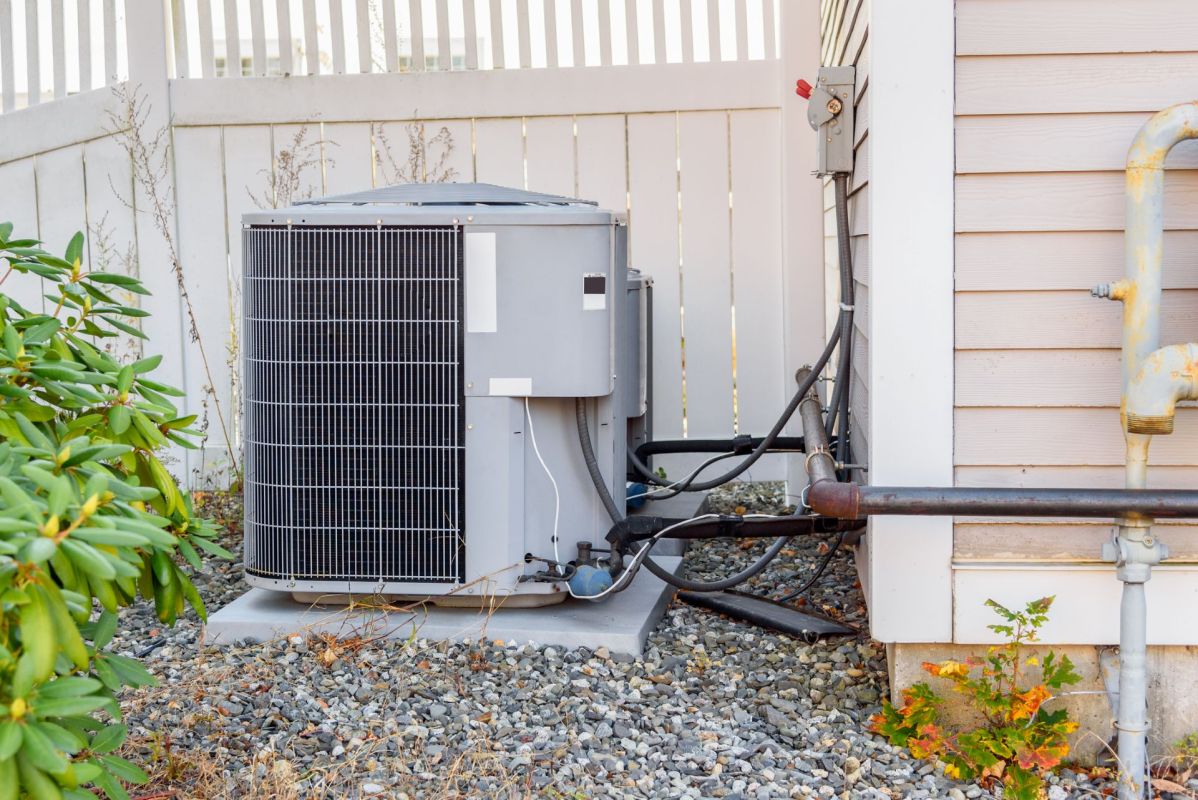
A central Indiana homeowner is facing a familiar dilemma: One aging air conditioner has failed, and now they're left wondering whether it makes more sense to replace their entire heating and cooling system all at once.
In a post on Reddit, the homeowner said the 1876 two-story house is divided into separate upstairs and downstairs HVAC zones and that both air conditioners and both gas furnaces are more than 20 years old.
What's happening?
After one AC unit went out, the original poster said they were trying to choose between keeping gas heat and moving to two heat pumps.
"I am debating … replacing my everything with just 2 heat pumps," the homeowner wrote, noting that "electricity is a bit expensive here" and asking if a pair of units could handle subzero temperatures.
This kind of decision is becoming more common as older HVAC systems near the end of their lifespan. Rather than simply replacing a broken gas furnace or conventional air conditioner, many homeowners are now considering heat pumps, which can both heat and cool a home.
For a house with two zones, however, the answer is rarely straightforward. The age of the home, insulation, air sealing, ductwork, and local utility costs can all influence whether going fully electric makes financial sense or whether a hybrid system would be more comfortable and cost-effective.
Heat pumps are significantly more energy-efficient than traditional HVAC systems because they move heat rather than generate it, and they provide both heating and cooling through one system. That can lead to lower long-term operating costs, especially when paired with available tax credits and rebates, and homeowners can compare options through EnergySage's Heat Pump Marketplace.
For people who don't need a whole-home replacement immediately, Merino offers single-room, ultra-efficient HVAC systems at a lower price point. The targeted heating and cooling option can be installed.
Save $10,000 on solar panels without even sharing your phone number Want to go solar but not sure who to trust? EnergySage has your back with free and transparent quotes from fully vetted providers in your area. To get started, just answer a few questions about your home — no phone number required. Within a day or two, EnergySage will email you the best options for your needs, and their expert advisers can help you compare quotes and pick a winner. Solar panels can save you more than $50k over their 25-year lifespan, and EnergySage can help you save as much as $10k on installation. Which begs the question — isn't that worth an email or two? |

Why does it matter?
When a system that's more than 20 years old starts to fail, homeowners are often pushed into making a costly decision quickly. In colder states such as Indiana, homeowners need to know their homes will stay warm during winter cold snaps and cool through summer heat.
Modern cold-climate heat pumps can perform in very low temperatures while also reducing indoor pollution associated with burning gas inside the house and cutting climate-warming pollution tied to home energy use.
Still, upfront cost and utility prices remain real concerns. A drafty 19th-century home may need weatherization, insulation improvements, or careful equipment sizing before an all-electric system can deliver the comfort and savings a homeowner expects.
What can I do?
Getting multiple quotes and asking each contractor for a room-by-room load calculation can provide more useful information than a simple replacement recommendation based only on the existing equipment. It can also help to ask about cold-climate heat pumps, dual-fuel systems, duct improvements, and insulation upgrades before making a final decision.
If high electricity bills are part of the concern, solar may also be worth considering. EnergySage offers a free solar quotes comparison tool for homeowners interested in slashing their energy bills with solar.
Homeowners comparing all-electric heating options can also revisit EnergySage's Heat Pump Marketplace near the end of the shopping process to weigh brands, pricing, and incentives side by side.

Get TCD's free newsletters for easy tips, smart advice, and a chance to earn $5,000 toward home upgrades. To see more stories like this one, change your Google preferences here.






