


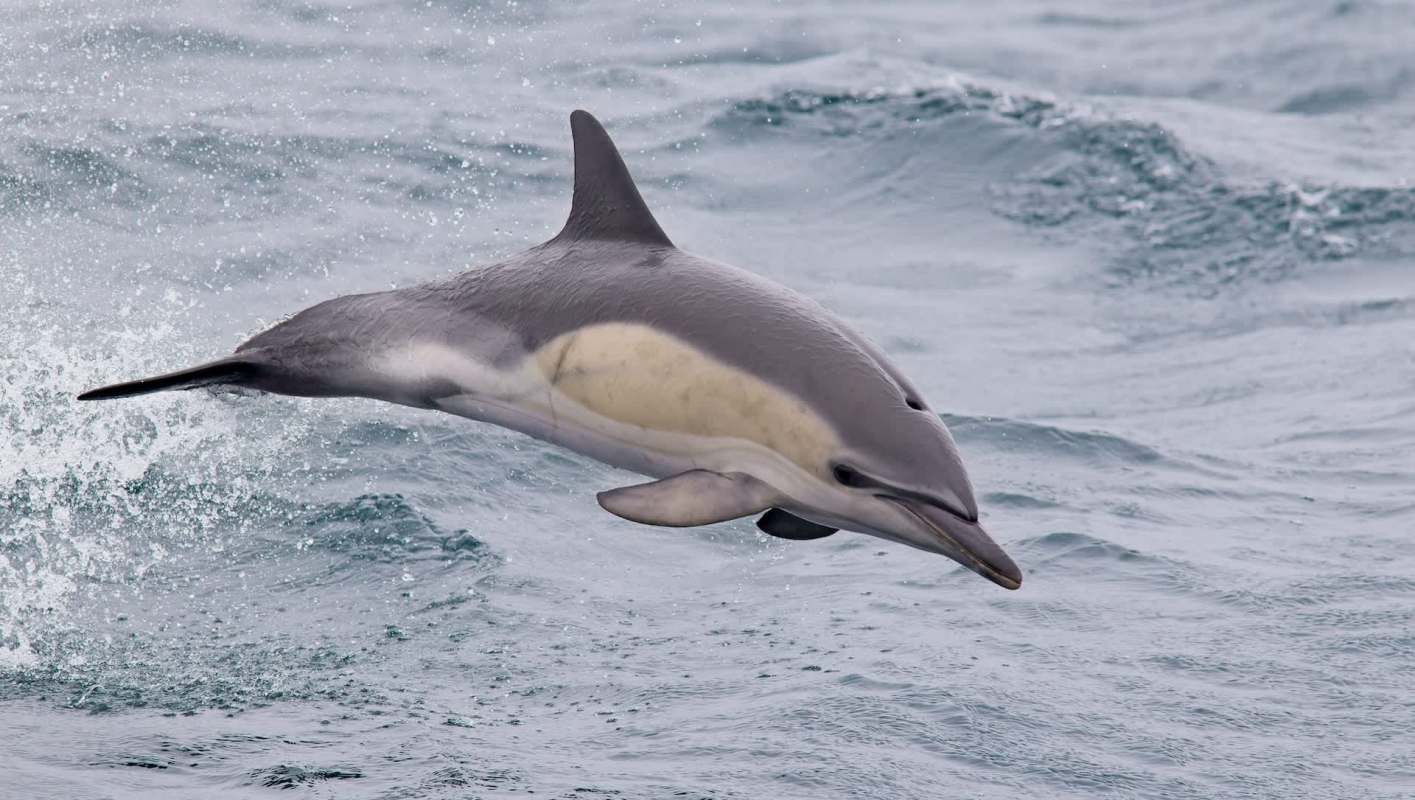
Pollution in the ocean may be doing more than causing immediate harm to dolphins; it could also be speeding up their aging.
Because dolphins are often used as indicators of environmental risks that can affect humans too, the findings may carry implications far beyond marine life.
What's happening?
Researchers have said common dolphins exposed to certain metals and PFAS — a class of highly persistent pollutants often called "forever chemicals" — may be showing signs of accelerated biological aging.
The research focused on common dolphins, or Delphinus delphis, comparing their biological age with their actual age in years.
According to Science News, marine biologist Karen Stockin of Massey University in Auckland, New Zealand, and her colleagues examined liver and kidney tissue from 75 dolphins killed in separate incidents between 2000 and 2023. The study was posted June 26 to bioRxiv.org and has not yet been peer-reviewed.
Rather than finding total pollution exposure to be the biggest factor in aging, the researchers found that specific chemicals appeared to play a larger role. Among the PFAS compounds, PFBA and PFNA were linked to faster aging, while selenium, zinc, copper, aluminum, and manganese stood out among the metals.
TCD Picks » Quince Spotlight
💡These best-sellers from Quince deliver affordable, sustainable luxury for all




"It's not the total burden of PFAS you have," Stockin said, per Science News. "It's which PFAS compounds you have."
Why does it matter?
Scientists often rely on dolphins as warning species when studying pollution's possible effects on people. Their long lifespans, need to breathe air, and seafood-based diets make them useful for examining how contaminants build up over time in mammals.
Biological aging is not the same as chronological age. Instead, it reflects changes in DNA that can accelerate under stress, including exposure to pollution. When that process speeds up, it can raise the risk of diseases more commonly associated with old age, including cancer and chronic illness.
So if pollution is pushing dolphins to age sooner at the biological level, the concern is not limited to marine mammals. It may also hint at hazards for coastal residents, seafood consumers, and others exposed to the same chemicals in water, air, or food.
Ecotoxicologist Baylin Bennett of UC San Francisco, who was not involved in the study, told Science News that the findings add to concerns that contaminants may cause harm beyond the tissues where they build up.
What's being done?
Researchers are beginning to develop a more detailed understanding of how pollution works in the real world — not as exposure to one chemical at a time, but as overlapping mixtures.
Research identifying which compounds appear to be the most harmful can help regulators and public health officials make better decisions, rather than treating all exposure as the same.
The study also builds on earlier research showing that PFAS can disrupt dolphin organs and immune systems, and that mothers can pass some of these compounds to calves through milk. Together, those findings strengthen the case for tighter monitoring of industrial waste and chemical contamination in marine environments.
"It's not like it's just metals or just PFAS or just plastics or just phthalates," Stockin said. "It's a mixture of all of these things."

Get TCD's free newsletters for easy tips, smart advice, and a chance to earn $5,000 toward home upgrades. To see more stories like this one, change your Google preferences here.






