


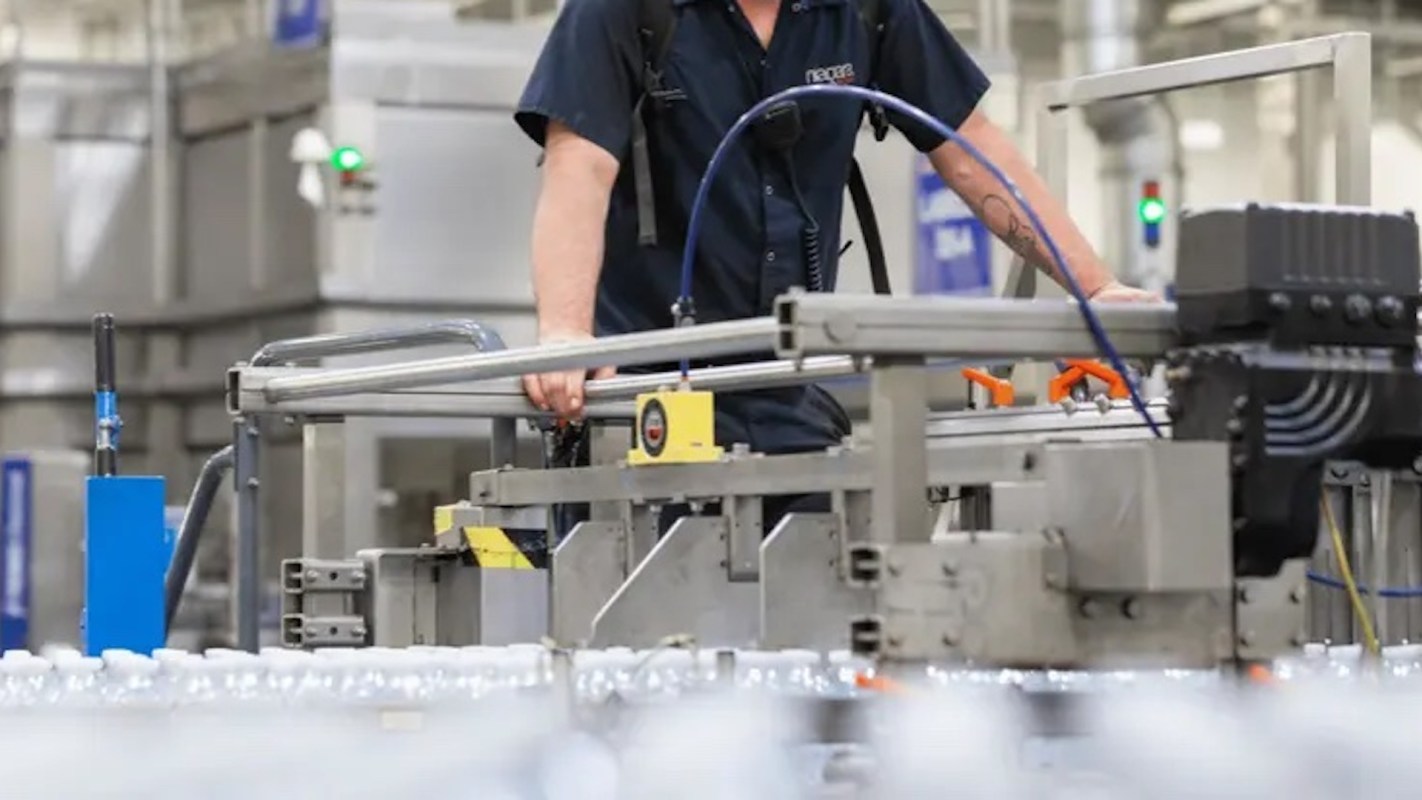
Aurora residents have been asked to cut their water use by 20% as severe drought conditions strain the city's supply, but its largest water customer, Niagara Bottling, has continued operating on what officials described as a normal production schedule.
What's happening?
Niagara Bottling has not yet gone beyond Aurora's reduced drought allocation, but officials say its current pace would put it on course to do so.
Because the company has not cut water use in step with the city's drought restrictions, Aurora Water is now considering possible consequences, KUNC reported.
Aurora warned Niagara in April that worsening drought conditions meant water cuts were required, yet Shonnie Cline, director of internal and external affairs for Aurora Water, said the plant's production has not materially changed.
"The simple fact of the matter is that they have not gone over that reduced allocation, but they also haven't changed the way that they've done production," Cline said. "So their production has continued on like it's a normal year."
Aurora's water storage is at 51%, well below the roughly 80% the city would typically have at this point in the year.
TCD Picks » Quince Spotlight
💡These best-sellers from Quince deliver affordable, sustainable luxury for all




Against that backdrop, Niagara is allotted 178 million gallons annually, though the plant used about 200 million gallons last year, Cline said.
Why does it matter?
The restrictions are already affecting residents' yard watering. Aurora has issued 2,429 overuse warnings this year, along with 201 violations that have led to $73,625 in fines.
In a non-drought year, going over an allocation might simply mean paying more. But city officials say exceeding that amount during drought conditions is more serious because reservoir storage is not recovering fast enough naturally.
Cline said the consequences could eventually extend far beyond browning lawns. If conditions worsen and Aurora enters Stage 2 restrictions, "there will be mass die-off of landscape, and it also starts to impact other businesses, including car washes," she said.
The gap between corporate conservation messaging and short-term behavior is also raising questions.
What's being done?
Even as Aurora continues working directly with Niagara, officials met in a closed session last week to talk through possible next steps.
"We're kind of in uncharted territory here," she said. "We've never been in a position where we've had to ask a company like Niagara to cut back."
In a statement, Niagara said it supports conservation and pointed to several efforts it says will curb water use.
The company said an in-plant recovery system should save about 8 million to 10 million gallons in 2026 and roughly 20 million gallons each year after that, while turf replacement and other efficiency measures could reduce use by 60 million gallons in 2027.
Aurora's main response so far has been enforcement and monitoring. The city said total water demand is down 8% this year, while outdoor irrigation has dropped 20%, helped by aggressive enforcement and advanced metering.

Get TCD's free newsletters for easy tips, smart advice, and a chance to earn $5,000 toward home upgrades. To see more stories like this one, change your Google preferences here.






