


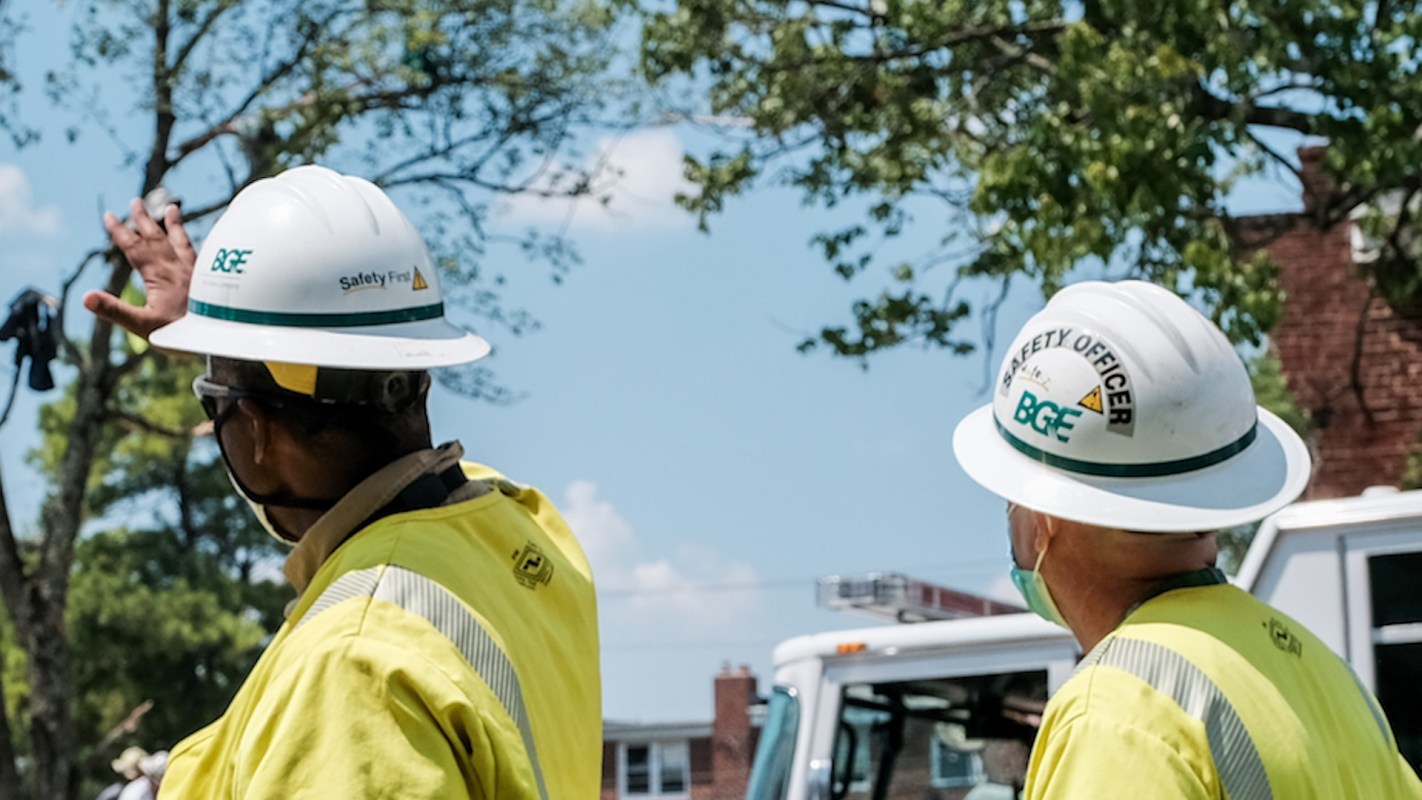
Baltimore officials are moving to end a disputed arrangement under which Baltimore Gas & Electric could earn returns on work performed in the city's underground conduit network. Ending it would also reset how overdue repairs are paid for.
What's happening?
A proposal headed to the city's spending board would put Baltimore back in charge of major work on the municipally owned conduit system, the underground tubing used for utility and telecom lines. Under the plan, BGE would once again pay the city full rent to use that network, according to The Baltimore Banner.
Before the 2023 agreement, BGE paid roughly $27 million each year in conduit fees. Now the Scott administration wants BGE and other conduit users to pay $4.05 per linear foot, almost twice the earlier rate.
The 2023 deal shifted projects such as pipe and manhole replacements to the utility, which could then recover those costs from customers over time while also collecting interest and profit. Deputy Mayor Khalil Zaied told the Banner, "BGE did good work, meeting their obligation under the 2023 agreement, but with the additional investment we need to make, it's important the city leads."
Why does it matter?
When a utility handles major infrastructure work, customers can wind up paying much more because the company is permitted to earn a return on that spending for decades. Conduit rent works differently, since it is treated as an operating expense that can be passed through without the same profit component. Critics of the 2023 deal said that difference would make the arrangement costlier for ratepayers.
A 2025 review ordered after underground explosions and fires found deficiencies in the conduit system that could contribute to more incidents, The Baltimore Banner reported. The network dates to the 1890s, and about 80% of it is still made of terra-cotta or Orangeburg, a material made from wood pulp.
TCD Picks » Quince Spotlight
💡These best-sellers from Quince deliver affordable, sustainable luxury for all




BGE spokesperson Nick Alexopulos said the company focused on affordability during negotiations, writing, "Unfortunately, the city is seeking to nearly double what customers across Maryland pay for Baltimore's conduit system, and BGE cannot support that."
What's being done?
During recent talks with BGE, city officials said they pressed for more investment, particularly after a string of conduit fires, according to The Baltimore Banner. The administration's new approach would return control of improvements to the city and rebuild its conduit division by the end of the year so more work can be done in-house.
The proposed rent increase would apply not only to BGE, which uses more than 75% of the system, but also to other lessees such as Comcast and Crown Castle. The shift would restore a more traditional landlord-tenant arrangement rather than relying on the utility to finance major repairs.
The new plan is also drawing support from city leaders who opposed the 2023 agreement, including Comptroller Bill Henry and Council President Zeke Cohen.
Henry said he was pleased to see a fee that could fund "reasonable" improvements. Cohen put it more bluntly: "It is my expectation that BGE does not pass on these costs to ratepayers. Their shareholders, not our residents, must pay for these investments."

Get TCD's free newsletters for easy tips, smart advice, and a chance to earn $5,000 toward home upgrades. To see more stories like this one, change your Google preferences here.






