


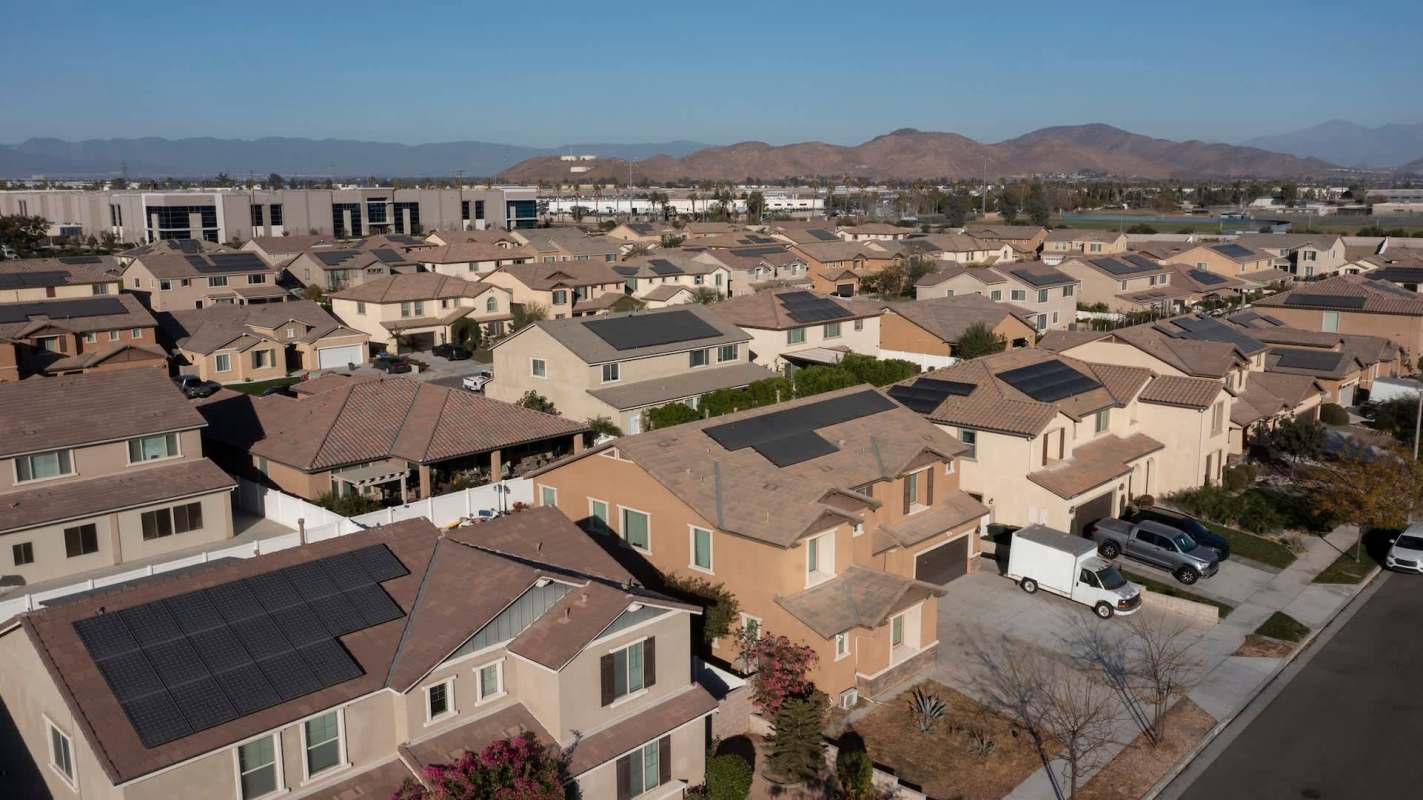
Pacific Gas and Electric has reached a major clean-energy benchmark: Rooftop solar systems on 1 million homes are now connected to its grid across Northern and Central California.
The milestone comes with an important caveat for homeowners, though, as the state's NEM 3.0 policy has changed how much many new solar customers can earn when they send extra electricity back to the grid.
What happened?
A PG&E news release announced that the utility crossed the 1 million-home threshold in California on June 4.
PG&E spokesperson Paul Doherty described the moment as "definitely a major milestone, not just for PG&E, but for California's clean energy transition."
PG&E serves around 5.6 million electric accounts, which means roughly one-fifth of its customers have home solar tied to the grid.
California's market is huge overall too: More than a quarter of homes use solar, and statewide installed capacity is in the tens of gigawatts, according to Solar Energy Industries Association data cited by The Sacramento Bee.
That growth has unfolded alongside a major policy shift. In April 2023, the California Public Utilities Commission's Net Billing Tariff — better known as NEM 3.0 — took effect, changing the financial outlook for rooftop solar.
Solar households still lower their utility purchases by using their own power first. What changed is that the extra electricity they export is usually credited at wholesale prices instead of the much higher retail rates many earlier customers received.
Save $10,000 on solar panels without even sharing your phone number Want to go solar but not sure who to trust? EnergySage has your back with free and transparent quotes from fully vetted providers that can help you save as much as $10k on installation. To get started, just answer a few questions about your home — no phone number required. Within a day or two, EnergySage will email you the best local options for your needs, and their expert advisers can help you compare quotes and pick a winner. |

Going solar is still one of the best ways to save money on home energy over time. If you want to see what the numbers could look like for your home, you can explore EnergySage for quick installation estimates and to compare quotes.
Why does it matter?
California's rooftop-solar fight has never been only about clean energy. It has also focused on who should bear the cost of maintaining the electric grid.
Earlier net metering rules let solar customers reduce their bills with credits close to retail electricity prices. Critics said that setup increasingly pushed fixed grid costs onto households without solar.
Analysts estimated that rooftop solar incentives still make up a meaningful share of residential electricity bills because many earlier customers remain grandfathered into older rules for 20 years, The Sacramento Bee explained.
More From EnergySage
💡Go deep on the latest news and trends shaping the residential solar landscape


High electricity prices can also make other climate-friendly home upgrades less appealing.
Matt Newman, co-founder of Bluesky Consulting, told the Bee, "The higher the price of electricity, the less incentive someone has to buy an electric car or install a heat pump to cool their house."
What's being done?
One of the biggest changes has been the fast rise of battery storage. Because NEM 3.0 places greater value on power sent to the grid during peak-demand periods, more homeowners are adding batteries so they can hold onto daytime solar electricity and use or export it later, when it is worth more.
If you're weighing your options, EnergySage can help you go solar with free tools that let you curate competitive bids from local installers without them obtaining any of your contact information unless you choose to work with one further.
Those free services can be especially valuable in a market where incentives, pricing, and equipment choices vary widely. With EnergySage's help, the average person can save up to $10,000 on solar purchases and installations.
Readers can also check out EnergySage's solar map, which shows the average cost of a home solar panel system on a state-by-state level, as well as details on solar panel incentives for each state. Together, these resources can help readers get the best price for rooftop solar panels and access available incentives.
Adding battery storage to a solar setup is one of the best ways to protect your home during outages, save money on energy, and go off-grid. It can also make home solar more useful under newer compensation rules by helping you shift when you use or sell electricity.
To learn more about home battery storage options, including competitive installation estimates, explore EnergySage.
While it's clear there are still issues to be worked out to make the grid and its pricing fair for everyone, PG&E has expressed a commitment to making it work.
Doherty said, "The main point that I want to get across with that is that we're a strong advocate for solar energy for all our customers. We believe solar will remain an important part of California's clean energy mix."

Get TCD's free newsletters for easy tips, smart advice, and a chance to earn $5,000 toward home upgrades. To see more stories like this one, change your Google preferences here.






